Coal and sand material handling equipment plays a crucial role in various industrial applications, particularly in sectors that involve the transportation and processing of bulk materials. These specialized machines are designed to efficiently move coal and sand from one location to another, ensuring smooth operations in mining, construction, and manufacturing processes. Understanding the types of equipment available and their underlying design principles is essential for optimizing material handling workflows and enhancing overall productivity. The equipment is widely recognized as a vital component in industries that rely on bulk material transport, such as coal mining, construction, and sand processing. By leveraging advanced engineering and material science, manufacturers have developed systems that can handle the demanding conditions associated with these applications, making them indispensable in modern industrial operations.
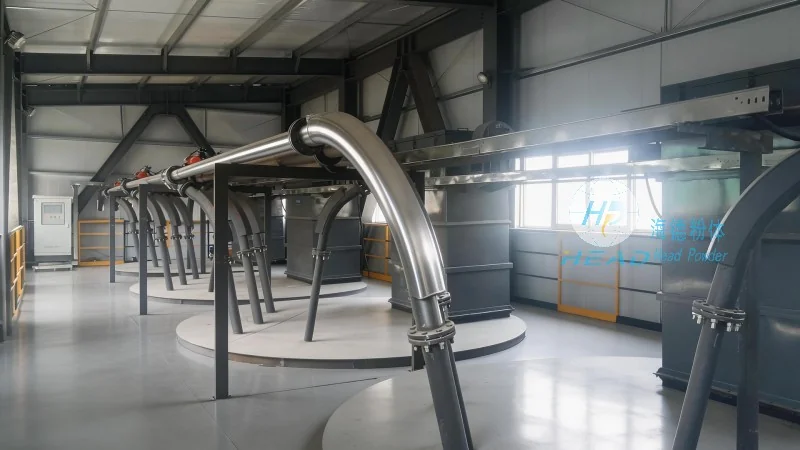
Key Components and Functionalities
The core components of coal and sand material handling equipment typically include conveyor systems, feeders, and control mechanisms. Conveyor belts, for instance, are commonly used to transport loose materials over short to medium distances. These systems often feature adjustable speed controls and tension mechanisms to accommodate varying material loads and flow rates. Additionally, the design of conveyor belts may incorporate anti-static features to prevent material buildup and ensure safe operation, especially when handling flammable or conductive materials like coal. Feeders, such as screw feeders or vibratory feeders, are integrated to regulate the flow of coal and sand, preventing overloading and ensuring consistent material delivery to downstream processing units. The screw feeder, for example, uses a rotating screw to push material forward, while the vibratory feeder utilizes oscillating motion to move materials in a controlled manner. Control systems, which may include PLC (Programmable Logic Controller) technology, enable precise monitoring and adjustment of operational parameters, enhancing the reliability and efficiency of the equipment. These systems can be programmed to adjust speed, tension, and other variables based on real-time conditions, ensuring optimal performance under different operational scenarios.
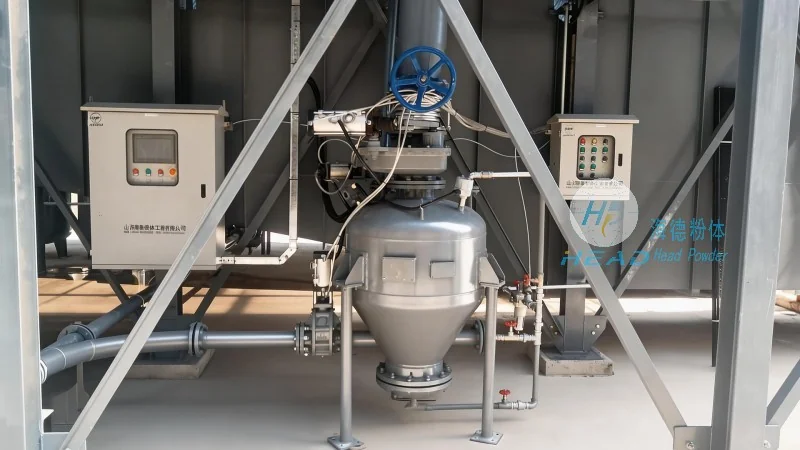
Design Principles for Efficient Material Handling
The design of coal and sand material handling equipment is guided by several key principles aimed at maximizing performance and minimizing operational costs. One of the primary principles is the optimization of material flow, which involves designing equipment with appropriate slopes and speeds to ensure smooth movement of bulk materials. The equipment must also be constructed from durable materials, such as stainless steel or high-strength alloys, to withstand the abrasive nature of coal and sand, reducing wear and tear and extending service life. Furthermore, ergonomic design considerations are incorporated to facilitate maintenance and operational safety, ensuring that the equipment can be easily accessed and serviced by personnel. The integration of energy-efficient components, like variable frequency drives (VFDs), helps reduce power consumption while maintaining optimal performance, contributing to cost savings and environmental sustainability. Another critical design principle is the consideration of material compatibility, as different equipment may be required for handling materials with varying properties, such as moisture content or particle size. For instance, equipment designed for wet sand may need to incorporate waterproofing features to prevent material degradation and equipment failure. By adhering to these design principles, manufacturers can develop equipment that meets the specific needs of industrial applications, ensuring reliable and efficient material handling.
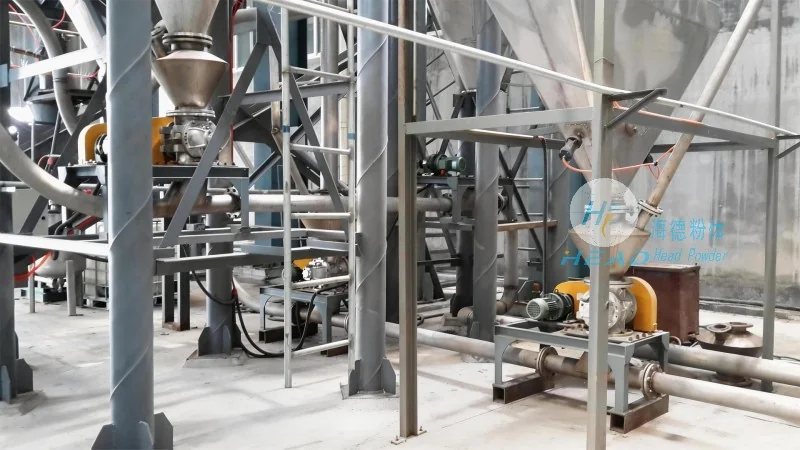
Applications in Industrial Settings
Coal and sand material handling equipment is widely utilized in diverse industrial settings, including coal mines, construction sites, and sand processing plants. In coal mines, these systems are essential for transporting mined coal from extraction sites to processing facilities, enabling efficient extraction and preparation of coal for energy production. The equipment is typically integrated into larger mining operations, where it works in conjunction with other machinery to streamline the entire process. For example, conveyor belts may transport coal from the mine face to a crushing and screening plant, where it is processed into usable products. In construction industries, the equipment is used to move sand and other aggregates from storage areas to mixing sites, supporting the production of concrete and other building materials. The equipment is often part of a larger material handling system that includes trucks, loaders, and mixers, ensuring a continuous supply of materials for construction projects. Additionally, in sand processing plants, specialized equipment is employed to sort, clean, and transport sand for use in glass manufacturing, foundries, and other applications. These plants may use multiple types of equipment, such as belt conveyors, bucket elevators, and vibrating screens, to process sand and remove impurities. The adaptability of these systems allows them to handle different material characteristics, such as varying particle sizes and moisture content, making them versatile solutions for a range of industrial needs. Whether in mining, construction, or manufacturing, coal and sand material handling equipment plays a pivotal role in ensuring the smooth flow of materials and supporting overall operational efficiency.




