Understanding the design principles and operational aspects of a soybean meal material handling system is crucial for industries involved in the processing and distribution of soybean products. This system is engineered to efficiently transport, store, and manage soybean meal, a key byproduct of soybean oil extraction. The design of such systems must consider various factors, including material properties, processing requirements, and the overall workflow of the production facility.
Introduction to Soybean Meal Material Handling Systems
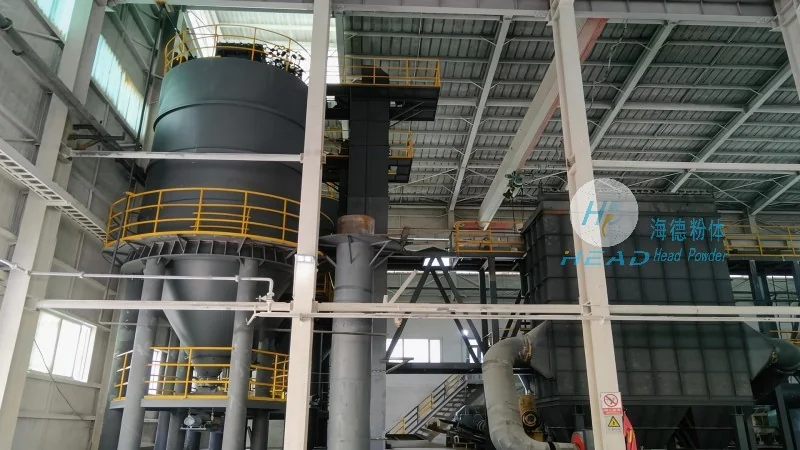
Soybean meal is a high-protein feed ingredient widely used in animal agriculture and also in human food products. Its handling requires specialized equipment to ensure safety, efficiency, and minimal loss. A typical soybean meal material handling system integrates several components, such as conveyors, storage silos, and feeding mechanisms, all working in tandem to move the material from the point of production to its final destination. The system's design is tailored to meet the specific needs of the processing plant, whether it's a large-scale industrial operation or a smaller agricultural facility.
Key Components and Their Functions
The core components of a soybean meal material handling system include bulk material conveyors, storage silos, and material feeders. Bulk material conveyors, often in the form of belt conveyors or screw conveyors, are responsible for transporting soybean meal from the processing line to the storage silos. These conveyors are designed to handle the high volume and density of soybean meal, ensuring smooth and continuous operation. Storage silos are used to store the processed soybean meal, providing a controlled environment that prevents contamination and maintains the quality of the product. The silos are typically made of durable materials like steel or concrete, with features such as aeration and temperature control to preserve the meal's nutritional value.
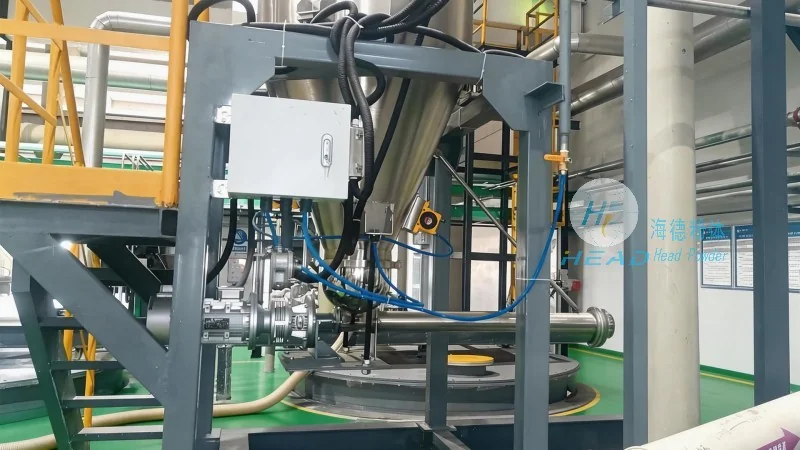
Material feeders, such as rotary valves or vibratory feeders, are used to regulate the flow of soybean meal from the storage silos to downstream processes or packaging units. These feeders ensure that the material is dispensed at a consistent rate, preventing overloading or underflow in the next stage of the process. The design of these components must consider the abrasive nature of soybean meal, which can cause wear and tear on equipment if not properly managed. Therefore, materials like stainless steel or high-grade alloys are often used to construct the conveyor parts and feeder mechanisms.
Design Principles for Efficient Material Handling
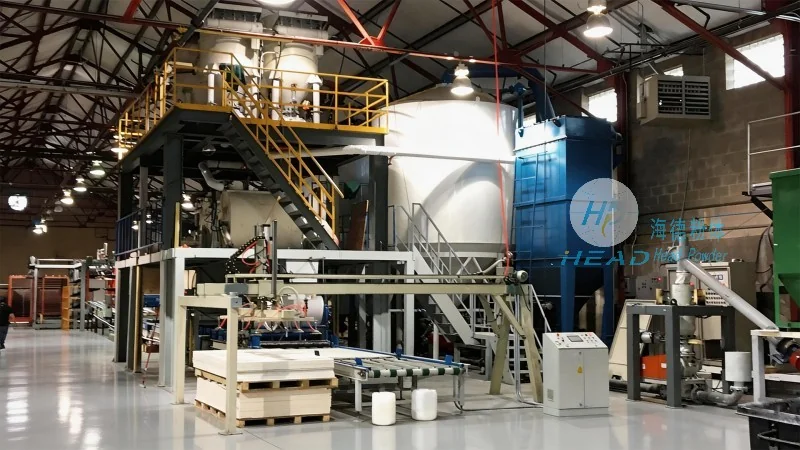
The design of a soybean meal material handling system is guided by several key principles aimed at maximizing efficiency, safety, and cost-effectiveness. One of the primary principles is the minimization of material handling losses. This involves designing systems with minimal points of transfer, such as using continuous conveyors instead of intermittent ones, to reduce the risk of spillage and contamination. Another principle is the optimization of space utilization. In many industrial settings, space is limited, so the system must be designed to fit within the available footprint while still accommodating the required capacity. This often involves using vertical storage solutions, such as tall silos, to maximize storage volume without increasing the building's footprint.
Energy efficiency is another critical design principle. Modern soybean meal material handling systems incorporate energy-saving features, such as variable speed drives for conveyors and feeders, which adjust the speed based on the material flow rate. This not only reduces energy consumption but also extends the lifespan of the equipment by reducing wear and tear. Additionally, the system's design must consider the safety of operators and the environment. This includes features like dust suppression systems, which control airborne particles to prevent respiratory issues and maintain air quality, as well as proper sealing and containment to prevent leaks and spills.
HeadPowder Engineering: Expertise in Soybean Meal Handling Solutions
Shandong HeadPowder Engineering Co., Ltd., a leading provider of material handling solutions, specializes in designing and manufacturing customized soybean meal material handling systems. With a deep understanding of the unique challenges associated with handling soybean meal, HeadPowder engineers develop systems that are tailored to the specific needs of each client. The company's headquarters is located in Shandong, China, where it leverages local expertise and resources to deliver high-quality, cost-effective solutions. HeadPowder's team of experienced engineers and technicians work closely with clients to assess their processing requirements, identify potential bottlenecks, and propose optimal system configurations. This collaborative approach ensures that the final system not only meets but exceeds the client's expectations in terms of performance, reliability, and longevity.
Customization and Integration Capabilities
HeadPowder Engineering recognizes that every soybean processing facility has unique operational requirements. Therefore, the company offers comprehensive customization options to ensure that the material handling system integrates seamlessly with existing infrastructure and processes. This includes the ability to design conveyors with specific dimensions and load capacities, select storage silos with varying capacities and shapes, and integrate feeding mechanisms that match the downstream packaging or feeding equipment. The company also provides post-installation support, including maintenance services and technical assistance, to ensure the long-term performance and reliability of the system. By focusing on customization and integration, HeadPowder ensures that its clients receive a system that is not only efficient but also adaptable to future changes in their operations.
Conclusion: The Importance of a Well-Designed Material Handling System
In conclusion, a well-designed soybean meal material handling system is essential for the efficient and safe operation of soybean processing facilities. The design principles, including efficiency, safety, and adaptability, are critical to achieving optimal performance. Companies like Shandong HeadPowder Engineering Co., Ltd. play a vital role in providing these specialized solutions, leveraging their expertise and experience to meet the diverse needs of the industry. By investing in a properly designed material handling system, soybean processing facilities can enhance productivity, reduce costs, and ensure the quality of their final products, ultimately contributing to the success of the entire supply chain.




