HeadPowder, a leading manufacturer based in Shandong, China, specializes in the design and production of advanced pneumatic conveying equipment tailored for paddy rice handling. This article delves into the fundamental principles behind such systems, highlighting their efficiency, reliability, and the technical aspects that make them indispensable in modern agricultural processing.
Understanding Pneumatic Conveying Systems for Paddy Rice
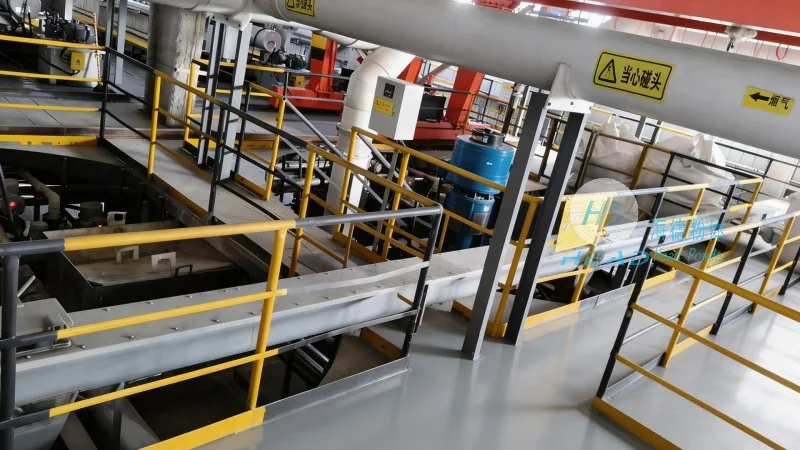
Pneumatic conveying equipment operates on the principle of transporting bulk materials like paddy rice through a pipeline using air or gas as the conveying medium. Unlike traditional mechanical methods that rely on belts, buckets, or screw conveyors, pneumatic systems utilize air pressure to move grains, offering several advantages such as reduced labor costs, minimal product damage, and the ability to handle materials in a dust-free environment. The core components of a typical paddy rice pneumatic conveying system include a hopper for material storage, a feeder to control the flow rate, a conveying pipeline, and a receiver for the discharged material. Each component plays a critical role in ensuring the smooth and efficient transfer of rice from one stage of processing to another.
Key Components and Their Functions
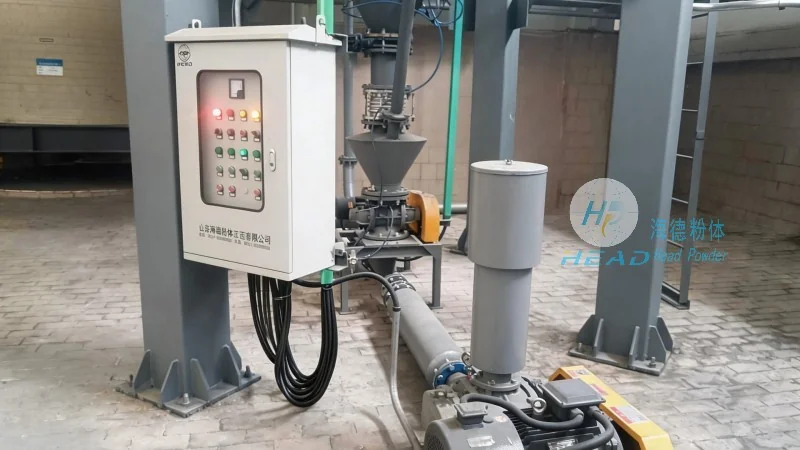
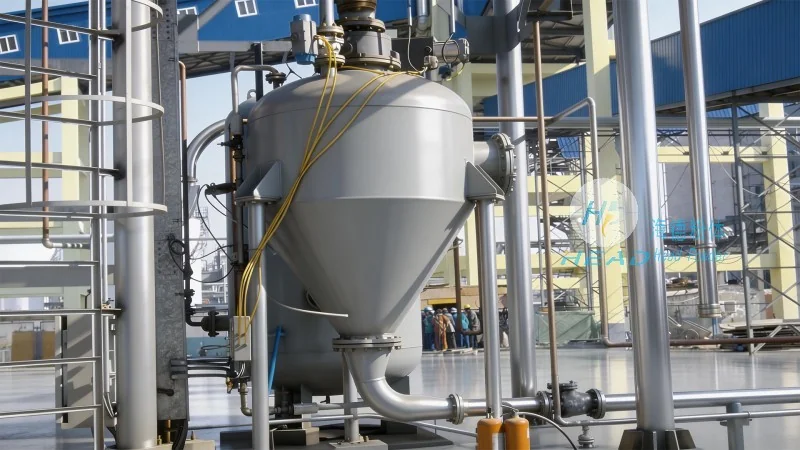
The hopper serves as the initial storage unit, where paddy rice is collected before being fed into the system. It is designed with a sloped bottom to facilitate the flow of grains into the feeder. The feeder, often a rotary valve or a screw feeder, regulates the amount of rice entering the pipeline, preventing overloading and maintaining consistent flow rates. This control is crucial for preventing blockages and ensuring the system operates at optimal efficiency. The conveying pipeline, typically made of stainless steel or other corrosion-resistant materials, transports the rice using air pressure. The pressure differential between the inlet and outlet of the pipeline determines the conveying velocity and capacity. The receiver, located at the end of the pipeline, collects the discharged rice and may include features like a dust collection system to maintain air quality and prevent contamination.
How Pneumatic Conveying Works: The Core Mechanism
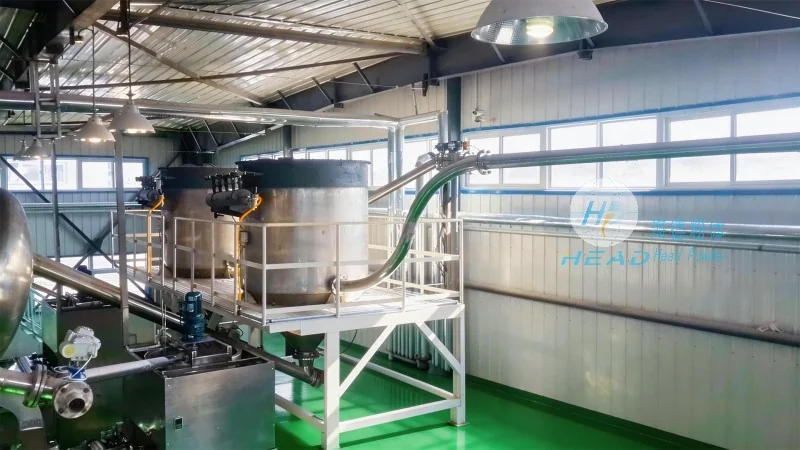
The operation of a paddy rice pneumatic conveying system involves several stages. Initially, the rice is fed into the hopper and then into the feeder. The feeder opens and allows a controlled amount of rice to fall into the pipeline. Simultaneously, a fan or blower generates a flow of air through the pipeline, creating a pressure difference. This pressure difference propels the rice particles forward, suspended in the air stream. The rice travels through the pipeline until it reaches the receiver, where the air is filtered and the rice is collected. The air, now clean, is either recirculated or vented to the atmosphere. The entire process is continuous and can be automated, allowing for high-throughput handling of paddy rice in agricultural and food processing facilities.
Advantages of Pneumatic Conveying for Paddy Rice
Compared to traditional mechanical conveying methods, pneumatic systems offer numerous benefits for paddy rice handling. One of the most significant advantages is the reduction in product damage. The gentle movement of rice through the air stream minimizes breakage and bruising, which is critical for maintaining the quality of the grain. Additionally, pneumatic conveying is highly efficient in terms of space utilization. The compact design of the equipment allows for installation in areas with limited space, making it suitable for both large-scale processing plants and smaller agricultural operations. Another key benefit is the ability to handle materials in a dust-free environment. This is particularly important for paddy rice, as dust can affect the quality of the grain and pose health risks. The enclosed system prevents dust from escaping, ensuring a cleaner and safer working environment.
Applications in Agricultural Processing
Pneumatic conveying equipment is widely used in various stages of paddy rice processing. It is commonly employed in the initial cleaning and sorting stages, where rice is transferred from the field to the processing plant. The equipment can also be used in the milling process, where rice is conveyed from the milling machine to storage bins. Furthermore, pneumatic systems are used in packaging operations, where rice is transferred from storage to packaging machines. The versatility of the system allows it to be integrated into existing processing lines, enhancing overall efficiency and productivity.
HeadPowder's Commitment to Quality and Innovation
As a leading manufacturer based in Shandong, China, HeadPowder Engineering Co., Ltd. is dedicated to providing high-quality pneumatic conveying equipment for paddy rice handling. The company leverages advanced engineering and manufacturing techniques to ensure that its products meet the highest standards of performance and reliability. HeadPowder's team of experts continuously researches and develops new technologies to improve the efficiency and effectiveness of its equipment, staying ahead of industry trends and customer needs. The company's commitment to quality is reflected in its rigorous testing procedures and adherence to international standards, ensuring that its products are suitable for use in various agricultural and food processing applications.
Conclusion
Pneumatic conveying equipment plays a vital role in the efficient handling of paddy rice, offering numerous advantages over traditional mechanical methods. The principles behind such systems, including the use of air pressure to transport grains, are well-established and proven in various applications. With the continuous advancements in technology, pneumatic conveying systems are becoming even more efficient and reliable, making them an essential component of modern agricultural processing. HeadPowder Engineering Co., Ltd., with its expertise and commitment to quality, continues to provide top-tier pneumatic conveying solutions for the paddy rice industry, helping businesses enhance their productivity and maintain the quality of their products.




