Oat flour, a key ingredient in various food products, requires efficient and reliable handling solutions to ensure quality and consistency. The pneumatic conveying equipment designed for oat flour processing plays a crucial role in this process. This article explores the fundamental principles behind the operation of such systems, highlighting how they effectively transport oat flour while maintaining its integrity.
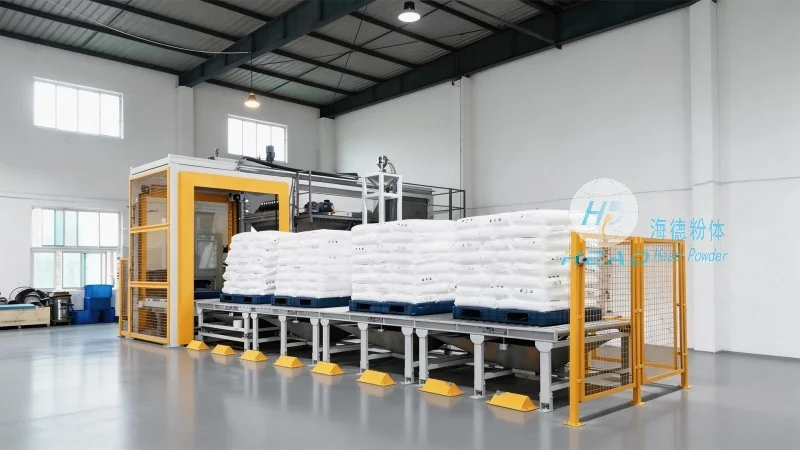
Core Components and Their Functions
The pneumatic conveying system for oat flour typically consists of several key components, each serving a specific function to ensure smooth operation. The main components include the hopper, which holds the oat flour; the air compressor or blower, which generates the necessary airflow; the conveying line, which transports the flour; and the discharge point, where the flour is released. Additionally, filters and separators are often integrated to prevent dust and moisture from affecting the system's performance.
The Pneumatic Conveying Process
The operation of the pneumatic conveying system for oat flour begins with the loading of the flour into the hopper. The air compressor then generates a high-pressure airflow, which is directed into the conveying line. As the air flows through the line, it creates a vacuum or pressure differential that pulls the oat flour particles into the stream. The flour particles are then carried along the line to the discharge point, where they are collected. This process is continuous and can be adjusted to handle varying volumes of oat flour, making it suitable for both small-scale and large-scale production.
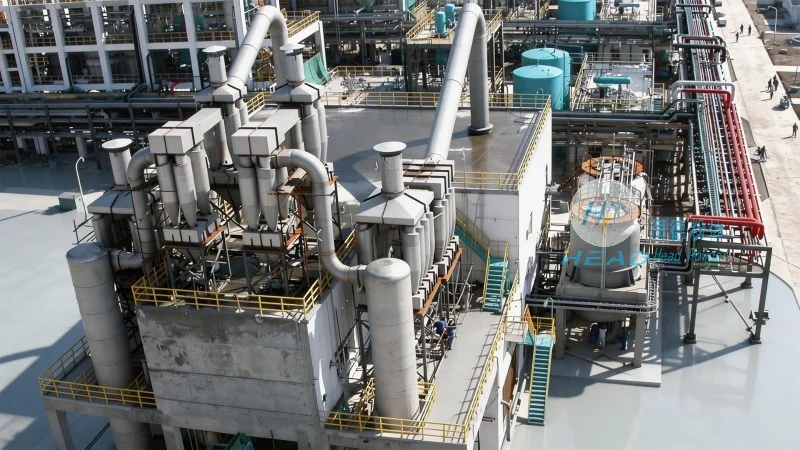
Advantages of Pneumatic Conveying for Oat Flour
Using pneumatic conveying equipment for oat flour offers several advantages over traditional methods. First, it minimizes product contamination, as the flour is not in direct contact with metal or other materials. Second, it reduces the risk of dust explosions, which is a significant concern in flour processing. Third, it improves operational efficiency by automating the conveying process, reducing labor costs and increasing throughput. Finally, it maintains the quality of the oat flour by preventing exposure to air and moisture, which can affect its flavor and texture.
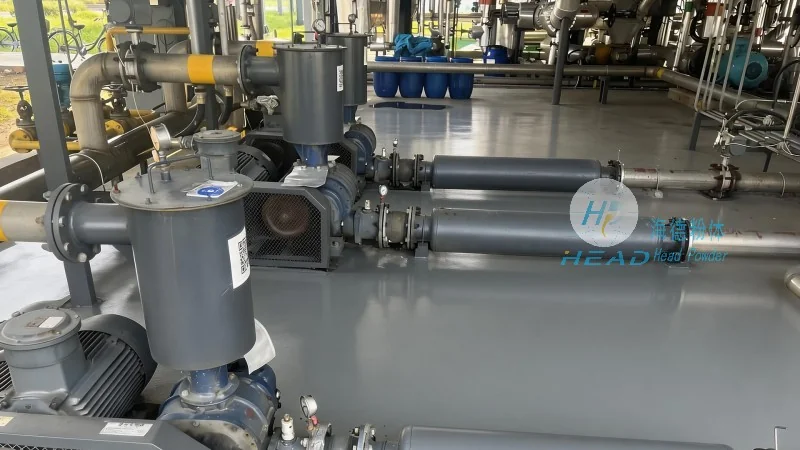
Application in Food Processing
Oat flour pneumatic conveying systems are widely used in the food processing industry, particularly in the production of baked goods, cereals, and nutritional supplements. The systems are designed to handle the specific characteristics of oat flour, such as its fine particle size and potential for caking. By ensuring consistent and efficient transport, these systems help manufacturers maintain product quality and meet regulatory standards. The equipment is also adaptable to different production scales, making it suitable for both small bakeries and large-scale food manufacturers.
Conclusion and Company Overview
In conclusion, the pneumatic conveying equipment for oat flour is a vital component in modern food processing. Its ability to efficiently and safely transport oat flour while maintaining product quality makes it an essential investment for any company involved in oat flour production. Shandong HeadPowder Engineering Co., Ltd., a leading manufacturer in this field, specializes in designing and manufacturing high-quality pneumatic conveying systems tailored to the specific needs of oat flour processing. With a focus on innovation and customer satisfaction, HeadPowder provides reliable solutions that enhance the efficiency and safety of oat flour handling operations.




