Dust gas pneumatic conveying systems are integral to modern industrial operations, enabling the efficient transport of bulk materials over varying distances. Understanding the core components of such systems is crucial for optimizing performance, ensuring reliability, and maintaining operational efficiency. This article provides a detailed overview of the key elements that constitute a typical dust gas pneumatic conveying system, with a focus on the technical aspects and functional roles of each component.
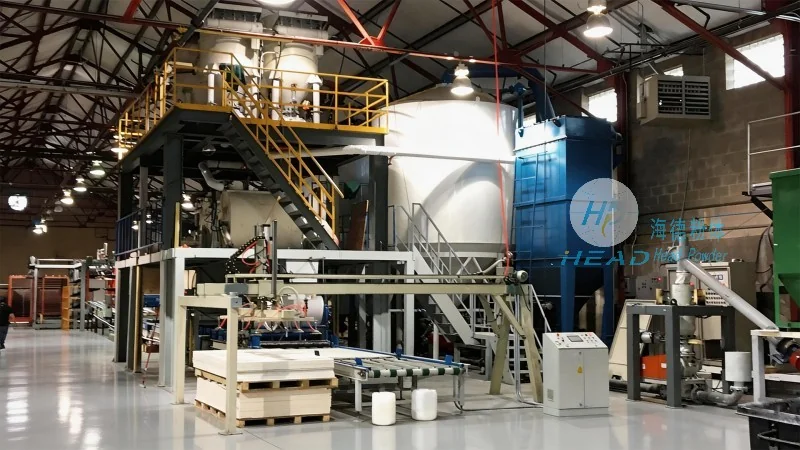
Key Components of Dust Gas Pneumatic Conveying Systems
The foundation of any dust gas pneumatic conveying system lies in its individual components, each designed to perform a specific function in the material transport process. The primary components typically include the feed device, conveying pipeline, air source equipment, separation and collection system, and control unit. Each of these elements works in concert to facilitate the smooth and efficient movement of dust or powder materials from the source to the destination.
Feed Device: Initiating Material Transport
The feed device is the entry point for the material to be conveyed. It is responsible for introducing the bulk material into the conveying system in a controlled manner. Common feed devices include rotary valves, star feeders, and pressure vessels. These devices ensure that the material is fed at a consistent rate, preventing blockages and maintaining system stability. The choice of feed device depends on the characteristics of the material, such as its flowability, moisture content, and particle size, as well as the system's operating pressure and flow requirements.
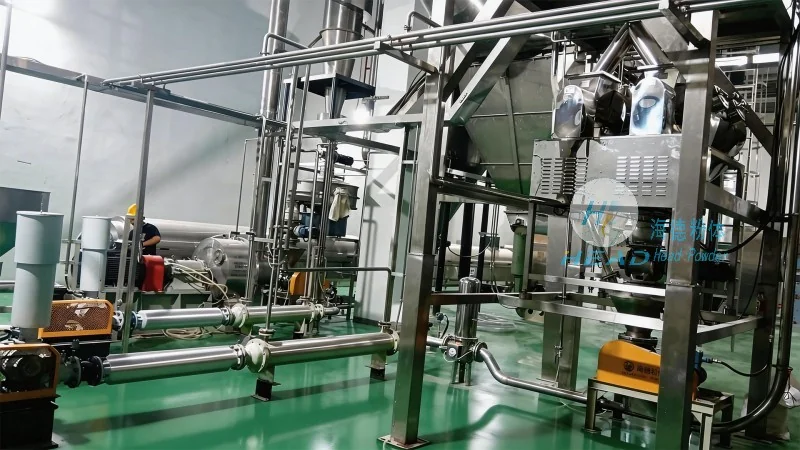
Conveying Pipeline: The Pathway for Material Transport
The conveying pipeline serves as the main channel through which the material and air mixture travels. It is typically constructed from materials like stainless steel, carbon steel, or plastic, depending on the corrosiveness of the conveyed material and the system's operating conditions. The pipeline design, including its diameter, length, and bends, is critical to minimizing pressure drop and ensuring the efficient transport of the material. Proper pipeline sizing and the use of smooth, low-friction surfaces help maintain the velocity of the material-air mixture, preventing deposition and ensuring consistent performance.
Air Source Equipment: Generating the Conveying Medium
The air source equipment provides the necessary air or gas to create the pressure or vacuum required for material transport. This component is often a blower or a vacuum pump, which can operate under positive pressure or negative pressure conditions. The air source must be capable of delivering the required volume and pressure to overcome the resistance in the pipeline and lift the material particles. The selection of the air source depends on the system's capacity, the material's density, and the desired conveying velocity. Efficient air source equipment is essential for maintaining system performance and reducing energy consumption.
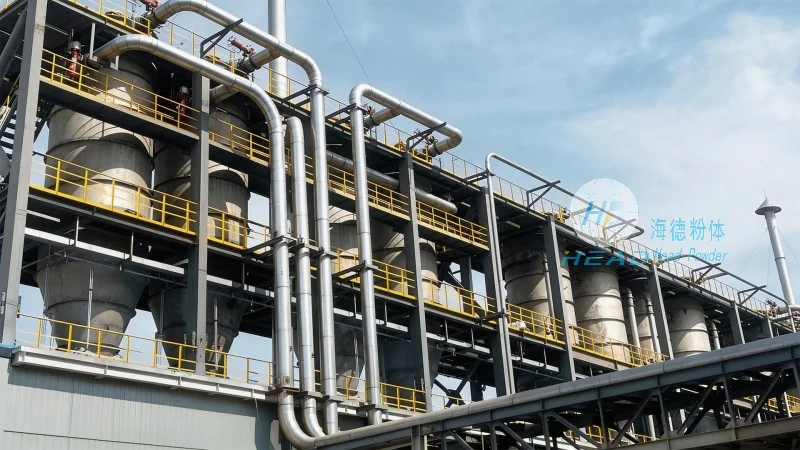
Separation and Collection System: Ensuring Material Recovery
The separation and collection system is responsible for separating the conveyed material from the air stream and collecting it at the destination. This system typically includes a cyclone separator, a filter, or a combination of both. The cyclone separator uses centrifugal force to separate the larger particles from the air, while the filter captures fine particles and dust. The collected material is then discharged into a container or storage vessel. The effectiveness of the separation system is critical to preventing material loss and ensuring that the air leaving the system is clean and meets environmental regulations.
Control Unit: Managing System Operations
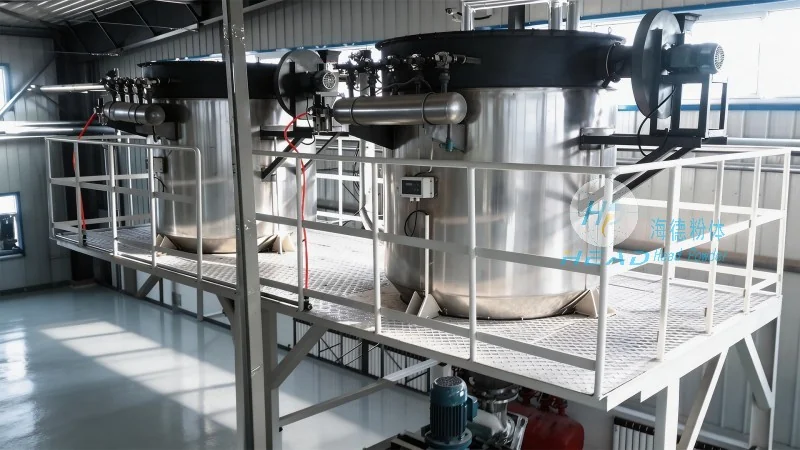
The control unit is the brain of the dust gas pneumatic conveying system, responsible for monitoring and controlling the various components. It includes sensors for measuring pressure, flow, and temperature, as well as control valves and actuators for adjusting the system's operation. The control unit ensures that the system operates within safe and efficient parameters, automatically adjusting the feed rate, air pressure, and other variables as needed. Modern control units often incorporate advanced features such as data logging, remote monitoring, and predictive maintenance, enhancing the system's reliability and reducing downtime.
Company Information: Shandong HeadPowder Engineering Co., Ltd.
Shandong HeadPowder Engineering Co., Ltd., operating under the brand name headpowder, specializes in the design, manufacturing, and installation of dust gas pneumatic conveying systems. With a focus on industrial applications, the company provides customized solutions tailored to the specific needs of its clients. Headpowder's expertise lies in understanding the unique challenges of material handling and developing systems that optimize performance, reduce maintenance costs, and enhance overall operational efficiency. The company's commitment to quality and innovation has made it a trusted partner in the industry, delivering reliable and efficient pneumatic conveying solutions to a wide range of sectors.
Headpowder's facilities are located in Shandong, China, where the company leverages advanced technology and skilled personnel to develop cutting-edge solutions for material transport. By adhering to stringent quality standards and employing rigorous testing procedures, Headpowder ensures that its systems meet the highest industry benchmarks. The company's dedication to customer satisfaction and technical excellence has established it as a leading provider of dust gas pneumatic conveying systems, serving clients both domestically and internationally.




