Understanding the components of a pumice pneumatic conveying system is crucial for its efficient operation and maintenance. This system, designed by Shandong HeadPowder Engineering Co., Ltd., is a specialized solution for transporting pumice—a lightweight, porous volcanic rock—through an air-based system. The following sections detail the key components that make up this advanced conveying technology.
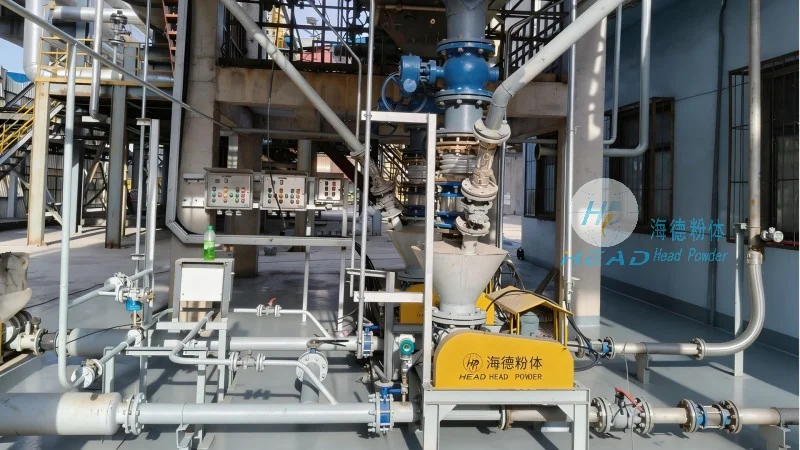
Key Components of the Pumice Pneumatic Conveying System
The pumice pneumatic conveying system consists of several critical components that work in tandem to ensure smooth material transport. These components are engineered to handle the unique properties of pumice, such as its low density and abrasive nature. The primary components include the material hopper, air compressor, conveying pipeline, and control system. Each part plays a vital role in the overall functionality of the system.
Material Hopper and Feeder
The material hopper is the initial component where pumice is stored before being conveyed. It is typically designed with a large capacity to accommodate bulk quantities of pumice, ensuring a steady supply to the system. The hopper is equipped with a feeder mechanism, which may be a rotary valve or a screw feeder, responsible for regulating the flow of pumice into the conveying line. This component is crucial for maintaining consistent material feed and preventing blockages or uneven flow.
Air Compressor and Air Treatment Unit
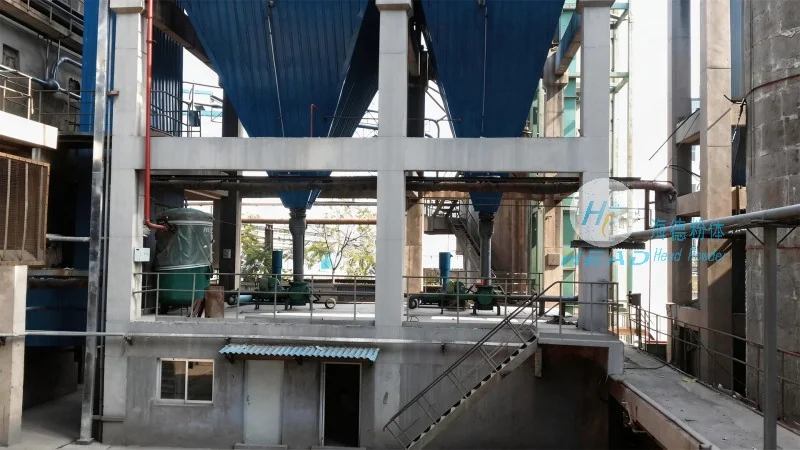
The air compressor is the heart of the pneumatic conveying system, providing the necessary pressure and volume of air to move the pumice particles through the pipeline. Shandong HeadPowder Engineering Co., Ltd. selects high-efficiency compressors that are optimized for the specific air requirements of pumice transport. The air treatment unit, which includes filters and dryers, ensures that the air used is clean and dry, preventing contamination of the pumice and maintaining the efficiency of the system. This unit is essential for extending the lifespan of the compressor and other components.
Conveying Pipeline and Fittings
The conveying pipeline is a network of pipes that transport the pumice from the hopper to the discharge point. The material is carried by the air flow, and the pipeline is designed to withstand the abrasive nature of pumice, which can cause wear over time. The system uses various fittings, such as elbows, tees, and bends, to direct the flow of material and air. These fittings are typically made of durable materials like stainless steel or high-grade plastic to resist corrosion and abrasion. Properly sized and installed fittings are critical for maintaining the system's efficiency and preventing pressure losses.
Control System and Monitoring Equipment
The control system manages the operation of the entire pumice pneumatic conveying system, ensuring that all components work in harmony. It includes sensors and control panels that monitor parameters such as air pressure, material flow rate, and system temperature. The system may also include automated controls that adjust the feeder speed or compressor output based on real-time conditions, optimizing performance and preventing overloading or underloading. Monitoring equipment helps operators identify potential issues early, allowing for timely maintenance and reducing downtime.
Discharge and Collection Equipment
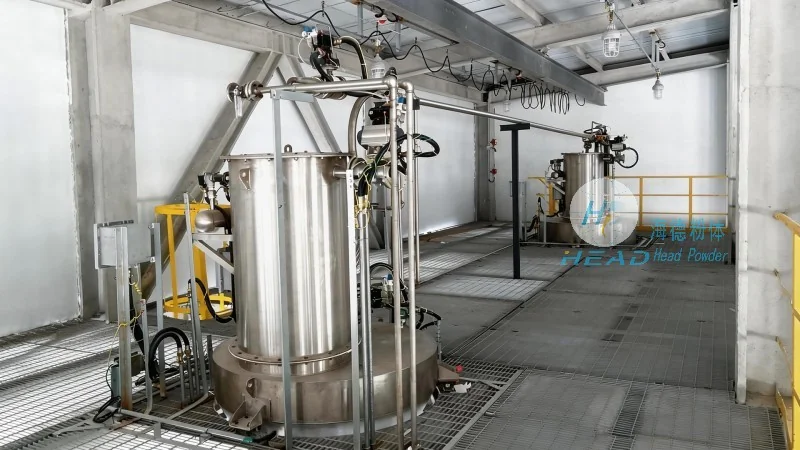
The discharge equipment is responsible for releasing the pumice from the conveying pipeline at the destination point. This may include a receiver hopper or a silo, which collects the material and stores it for further use. The discharge system is designed to handle the bulk volume of pumice and ensure that it is deposited without causing spills or blockages. Properly designed discharge equipment minimizes the risk of material loss and maintains the integrity of the pumice, which is important for applications such as lightweight aggregate production or construction materials.
System Integration and Maintenance
Shandong HeadPowder Engineering Co., Ltd. emphasizes the importance of system integration and regular maintenance for the longevity and efficiency of the pumice pneumatic conveying system. The company provides comprehensive support, including installation, commissioning, and ongoing maintenance services. Regular inspections of components like the air compressor, pipeline, and fittings help identify wear and tear, allowing for proactive repairs. Proper maintenance not only extends the lifespan of the system but also ensures consistent performance and reduces operational costs over time.




