HeadPowder, a leading engineering company based in Shandong, China, specializes in providing advanced solutions for material handling, particularly in the transportation of bulk materials like magnesium oxide. The company's expertise lies in designing and implementing efficient pneumatic conveying systems tailored to the unique properties of magnesium oxide, ensuring safe, reliable, and cost-effective transport operations.
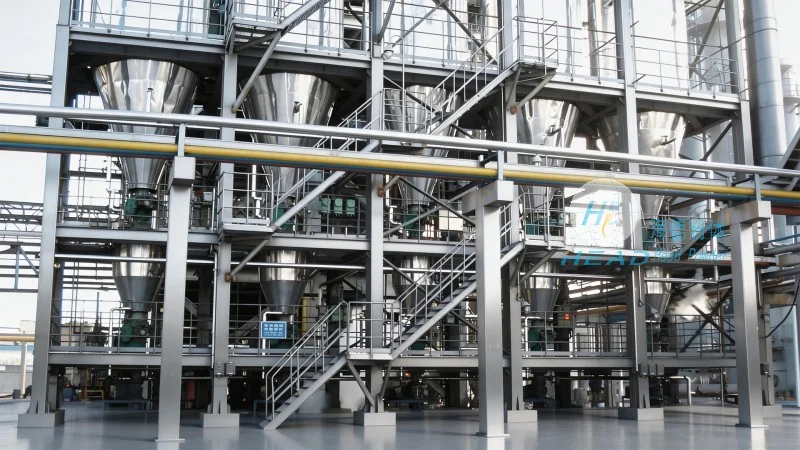
Introduction to Pneumatic Conveying Systems for Magnesium Oxide
Pneumatic conveying systems are widely used in the industrial sector for transporting dry bulk materials, including chemicals, powders, and minerals. For magnesium oxide, which is a fine, light powder with specific handling requirements, selecting the right type of pneumatic conveying system is crucial to maintain material quality, minimize dust generation, and ensure operational efficiency. The primary types of pneumatic conveying systems include positive pressure, negative pressure, and hybrid systems, each with distinct characteristics and applications.
Types of Pneumatic Conveying Systems for Magnesium Oxide Transport
Positive pressure systems, also known as pressure conveying systems, are commonly used for transporting magnesium oxide over longer distances and through complex piping networks. These systems operate by forcing air or gas through the material, creating a positive pressure within the conveying line. This method is effective for handling fine powders like magnesium oxide, as it reduces the risk of clogging and ensures consistent flow rates. The positive pressure system typically includes a blower or compressor at the inlet, a hopper for material storage, and a discharge point at the destination. The design of the system, including the size of the blower, the diameter of the conveying line, and the angle of the pipes, is critical to achieving optimal performance. For magnesium oxide, which has a low bulk density and can be prone to static charge, the positive pressure system helps maintain material flow by preventing particle agglomeration and ensuring proper air-to-material ratios.
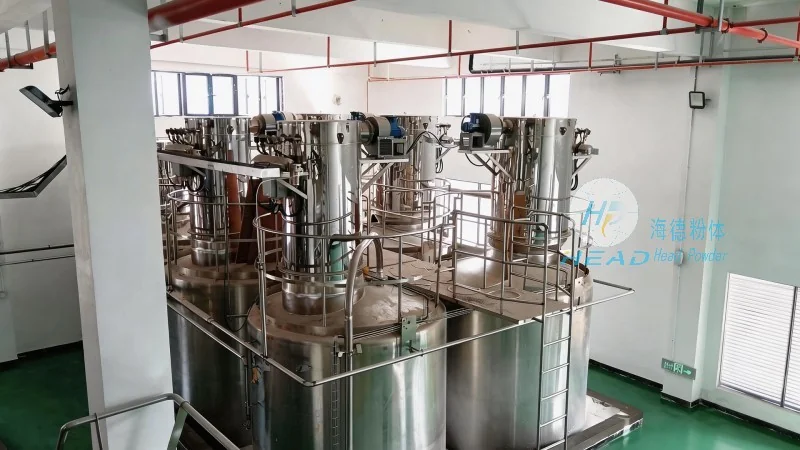
Negative pressure systems, or vacuum conveying systems, are another common type used in magnesium oxide transport. These systems operate by creating a vacuum at the inlet, drawing material from the source into the conveying line. Negative pressure systems are often preferred for shorter distances and when the material needs to be transported from a higher elevation to a lower one. They are particularly useful in applications where dust control is a priority, as the sealed system prevents particles from escaping into the environment. The negative pressure system includes a vacuum pump, a hopper with a feed mechanism, and a discharge valve at the destination. The key design considerations for negative pressure systems include the vacuum level required to maintain material flow, the size of the vacuum pump, and the length of the suction line. For magnesium oxide, the negative pressure system helps in handling materials that are sensitive to moisture or air exposure, as the sealed environment protects the powder from contamination.
Hybrid pneumatic conveying systems combine the features of both positive and negative pressure systems, offering flexibility in material transport. These systems are suitable for applications that require both long-distance transport and the ability to handle materials from multiple sources or at varying elevations. The hybrid system typically uses a combination of a blower and a vacuum pump, allowing for the transport of material in both directions. For magnesium oxide, the hybrid system can be configured to handle both bulk and fine powders, ensuring efficient and reliable transport. The design of the hybrid system involves integrating the positive and negative pressure components, with control mechanisms to switch between the two modes as needed. This flexibility makes hybrid systems ideal for industrial settings where material handling requirements may change over time.
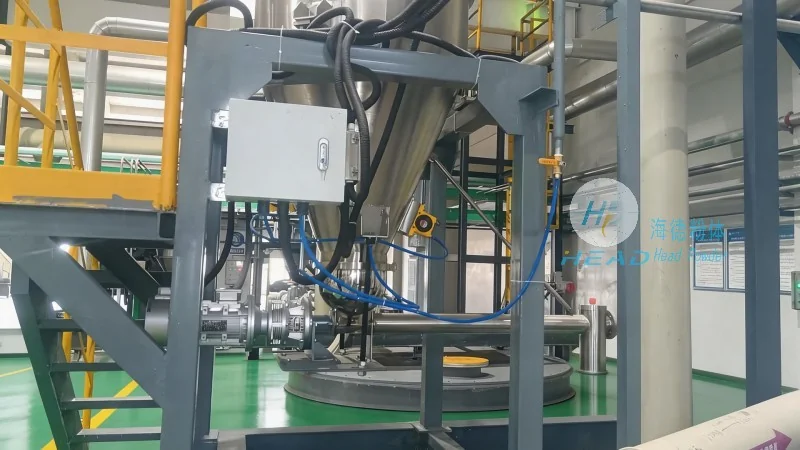
Practical Applications of Pneumatic Conveying Systems in Magnesium Oxide Handling
The practical application of pneumatic conveying systems for magnesium oxide varies across different industries, including pharmaceuticals, ceramics, and chemical manufacturing. In the pharmaceutical industry, the transport of magnesium oxide is critical for producing high-purity products, and the use of sealed, negative pressure systems is common to maintain product quality and prevent contamination. The systems are designed to handle fine powders with low moisture content, ensuring that the material remains free-flowing and does not clog the conveying lines. In the ceramics industry, magnesium oxide is used as a raw material in the production of refractory materials, and the positive pressure system is often employed to transport the powder from storage silos to production lines. The system's ability to handle large volumes of material efficiently makes it suitable for high-throughput manufacturing processes. In chemical manufacturing, the transport of magnesium oxide is essential for producing various chemical compounds, and the hybrid system is preferred for its flexibility in handling different material types and transport requirements. The system's design allows for the integration of multiple feed points and discharge locations, enabling efficient material flow in complex production environments.
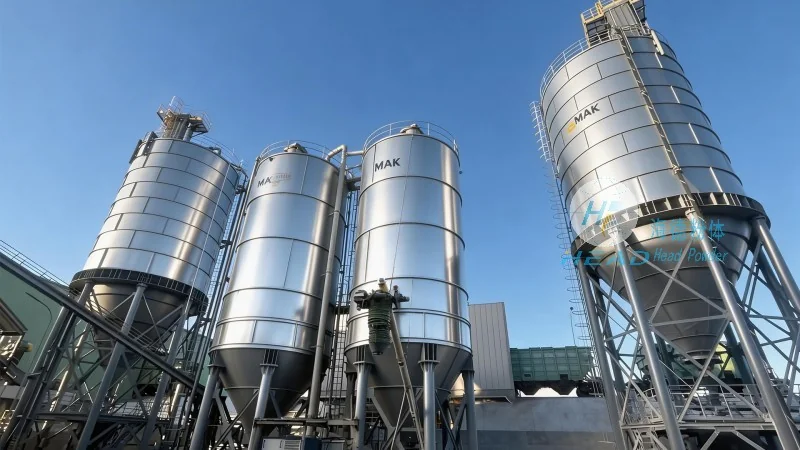
Key Considerations for Designing Pneumatic Conveying Systems for Magnesium Oxide
When designing pneumatic conveying systems for magnesium oxide, several factors must be considered to ensure optimal performance and material integrity. The first consideration is the material's physical properties, such as particle size, bulk density, and moisture content. Magnesium oxide is a fine powder with a low bulk density, which affects the air-to-material ratio required for efficient transport. The system design must account for these properties to maintain consistent flow rates and prevent clogging. The second consideration is the distance and elevation changes between the source and destination. Longer distances and significant elevation changes may require higher air pressures or more powerful vacuum pumps to ensure material movement. The third consideration is dust control and environmental regulations. Magnesium oxide is a fine powder that can generate significant dust, so the system must include dust collection and filtration systems to comply with environmental standards. The fourth consideration is the scale of operation, including the required throughput and number of feed points. For large-scale industrial applications, the system may need to be designed to handle high volumes of material, with multiple conveying lines and control mechanisms to manage the flow.
Conclusion
HeadPowder Engineering Co., Ltd., based in Shandong, China, provides comprehensive solutions for pneumatic conveying systems tailored to the unique needs of magnesium oxide transport. By understanding the different types of pneumatic conveying systems and their practical applications, industries can select the most suitable system to ensure efficient, reliable, and cost-effective material handling. The company's expertise in designing and implementing these systems, combined with its commitment to quality and innovation, makes it a trusted partner for businesses in the magnesium oxide industry. With its headquarters in Shandong, China, HeadPowder continues to advance the technology and application of pneumatic conveying systems, contributing to the growth and efficiency of industrial operations worldwide.




