HeadPowder, a leading engineering company based in Shandong, China, specializes in the design and implementation of advanced pneumatic conveying systems tailored for the efficient transport of aggregate materials. This article explores the various types of pneumatic conveying systems commonly used in the industry and their practical applications, providing insights into how these technologies enhance operational efficiency and material handling capabilities.
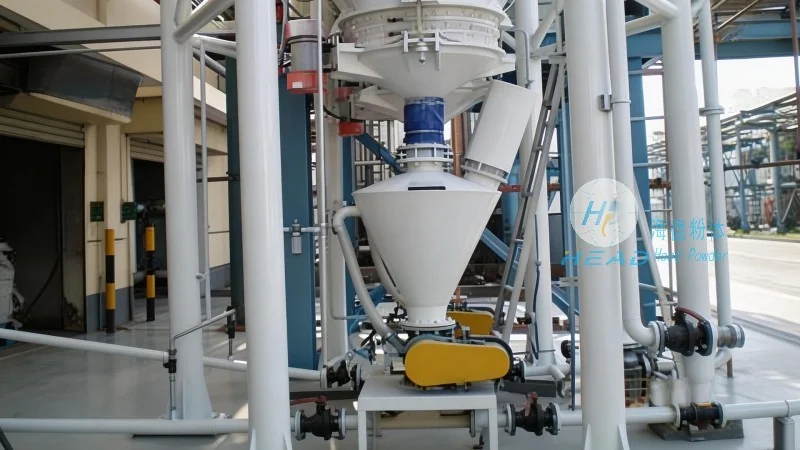
Understanding Pneumatic Conveying Systems for Aggregate Transport
Pneumatic conveying systems utilize air or gas to transport bulk materials like sand, gravel, and crushed stone over short to medium distances. These systems are particularly effective for aggregate materials due to their ability to handle abrasive and heavy loads while minimizing material degradation. The primary types of pneumatic conveying systems include pressure, vacuum, and mixed systems, each with distinct characteristics and applications.
Types of Pneumatic Conveying Systems
1. **Pressure Conveying Systems**: This type operates by compressing air and forcing it through a pipeline, pushing the material forward. Pressure systems are suitable for long-distance transport and can handle high volumes of material. They are commonly used in applications where the material needs to be transported over several hundred meters, such as in construction sites or mining operations.
2. **Vacuum Conveying Systems**: In vacuum systems, a vacuum is created at the receiving end, drawing the material into the pipeline. These systems are ideal for short-distance transport and are often used for handling materials from a hopper or silo to a processing unit. Vacuum systems are particularly effective for materials that are light or have a tendency to settle, as the suction action helps maintain material flow.
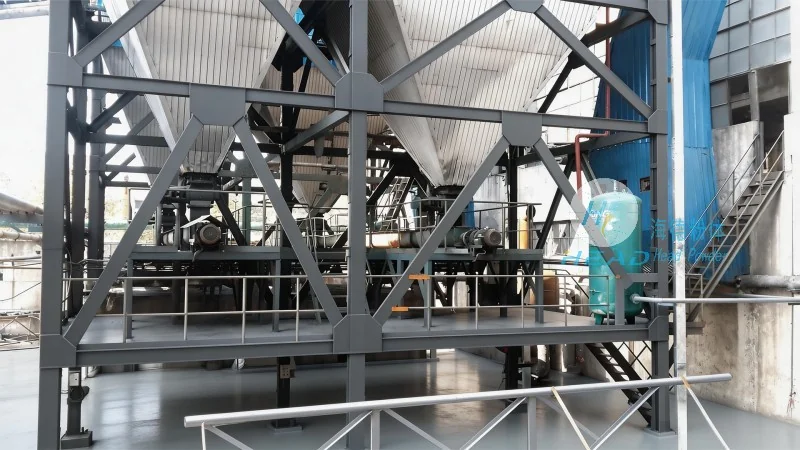
3. **Mixed Conveying Systems**: Also known as combined systems, these use both pressure and vacuum principles. The system starts with a pressure section to move material from the source and then transitions to a vacuum section to transport it to the destination. Mixed systems offer flexibility and are suitable for applications requiring both long and short transport distances, making them versatile for various industrial settings.
Practical Applications in Aggregate Handling
HeadPowder's pneumatic conveying systems are widely applied in the aggregate industry for several key operations. One common application is the transport of raw materials from stockpiles or quarries to processing plants. By using pneumatic conveying, companies can reduce the need for trucks and other heavy machinery, thereby lowering transportation costs and minimizing environmental impact.
Another practical application is the transfer of finished products, such as crushed stone or sand, from production lines to storage silos or shipping containers. Pneumatic systems ensure that the material is handled gently, preventing breakage and maintaining product quality. This is crucial for applications where the aggregate is used in concrete production or road construction, where consistency and durability are essential.
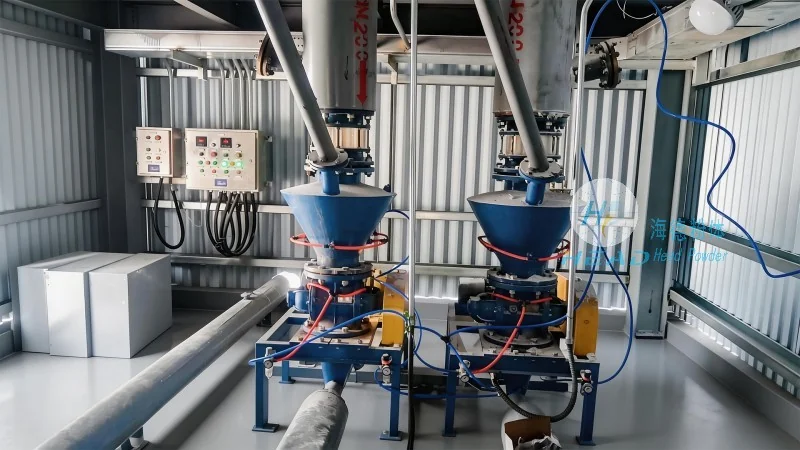
In addition, pneumatic conveying systems are used in recycling and waste management facilities to transport recycled aggregates. These systems help in the efficient separation and transport of materials, contributing to sustainable practices in the construction industry. By integrating pneumatic conveying into their operations, companies can improve their overall material handling efficiency and reduce downtime.
Benefits of Implementing Pneumatic Conveying Systems
Adopting pneumatic conveying systems for aggregate transport offers numerous benefits. Firstly, these systems provide a dust-free and enclosed environment, which enhances workplace safety and reduces the risk of material contamination. Unlike traditional belt or bucket elevators, pneumatic systems do not expose the material to the air, minimizing dust emissions and improving air quality in the workplace.
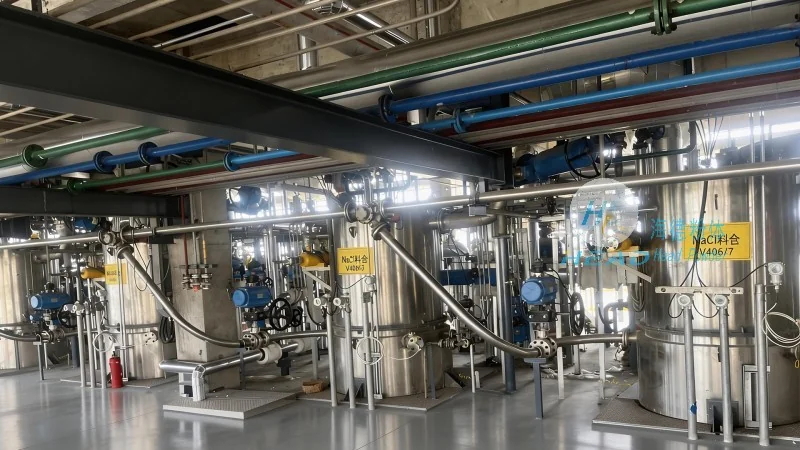
Secondly, pneumatic conveying systems are highly efficient in terms of energy consumption. By using compressed air or vacuum, the systems can transport large volumes of material with relatively low energy input compared to other methods. This leads to significant cost savings over time, especially for companies handling large quantities of aggregate materials.
Thirdly, these systems offer flexibility in terms of layout and installation. Pneumatic conveying pipelines can be easily routed around obstacles and can be installed in both horizontal and vertical configurations, allowing for customized solutions that fit the specific needs of a facility. This flexibility is particularly valuable in retrofitting existing plants or designing new facilities from scratch.
Conclusion
HeadPowder Engineering Co., Ltd., with its headquarters in Shandong, China, is a trusted provider of pneumatic conveying systems for aggregate material transport. By understanding the different types of pneumatic conveying systems and their practical applications, companies can make informed decisions to enhance their material handling processes. Whether for long-distance transport, short-distance transfer, or integrated material handling solutions, pneumatic conveying systems offer a reliable and efficient solution for the aggregate industry. With continuous advancements in technology, these systems are becoming increasingly important in modern construction and mining operations, contributing to improved productivity and sustainability.




