Shandong HeadPowder Engineering Co., Ltd., a leading enterprise based in Shandong, China, specializes in providing advanced material handling solutions tailored for the food processing industry. With a focus on efficiency, hygiene, and reliability, HeadPowder has developed innovative pneumatic conveying systems specifically designed for the unique requirements of handling glutinous rice flour. This article explores the different types of pneumatic conveying systems used in glutinous rice flour processing and their practical applications in real-world scenarios.
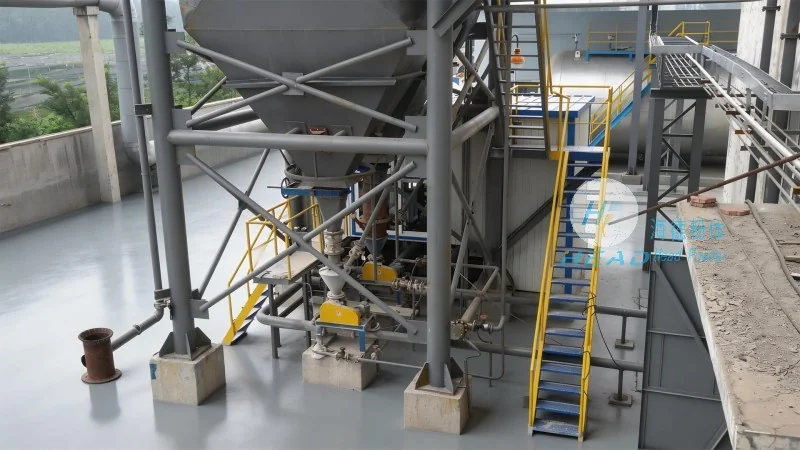
Types of Pneumatic Conveying Systems for Glutinous Rice Flour Handling
Pneumatic conveying systems are categorized based on the pressure differential between the conveying line and the ambient environment. The two primary types are positive pressure systems and negative pressure systems. Each type offers distinct advantages and is suitable for different operational conditions in glutinous rice flour handling.
Positive Pressure Systems
Positive pressure systems operate by blowing air or a carrier gas into the conveying line, creating a pressure higher than the ambient air. This method is ideal for conveying materials from a central source to multiple destinations, such as from a storage silo to several processing units. In the context of glutinous rice flour, positive pressure systems can effectively transport the fine powder over long distances without clogging or degradation. The high-pressure air ensures that the flour remains suspended and moves smoothly through the pipeline, minimizing the risk of product degradation due to friction or moisture exposure.
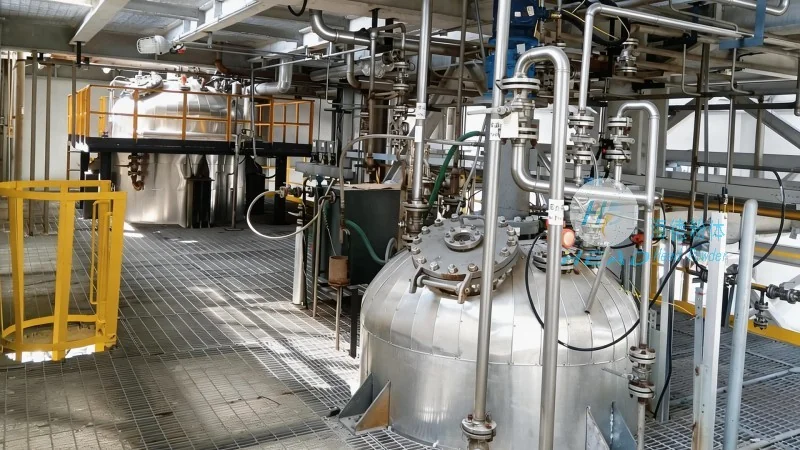
Negative Pressure Systems
Negative pressure systems, on the other hand, create a vacuum in the conveying line, drawing the material into the system. This approach is particularly useful for applications where the material needs to be transferred from multiple points to a single collection point, such as from various hoppers to a central silo. For glutinous rice flour, negative pressure systems are beneficial when dealing with dusty or sensitive materials that require a controlled environment to prevent contamination. The vacuum helps maintain a clean and sterile process, which is crucial in food processing to meet regulatory standards.
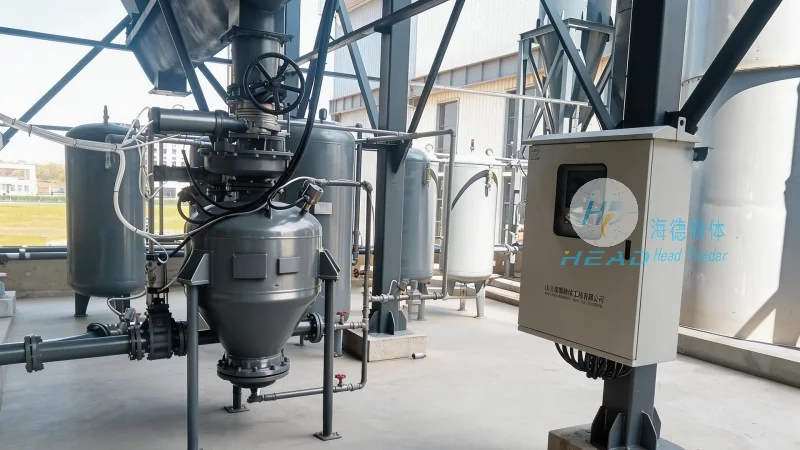
Practical Applications in Glutinous Rice Flour Processing
The choice of pneumatic conveying system depends on the specific workflow in a glutinous rice flour processing facility. For instance, in a large-scale production plant, a combination of both positive and negative pressure systems may be employed. Positive pressure systems can be used to transport the flour from the storage silo to the milling and mixing areas, while negative pressure systems handle the return of waste or excess material back to the storage or disposal area. This integrated approach optimizes material flow and reduces labor costs by automating the transfer process.
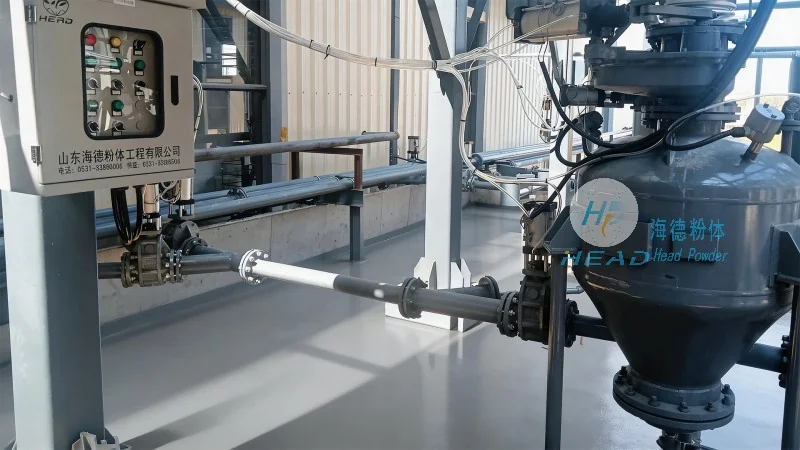
Key Advantages of Pneumatic Conveying Systems for Glutinous Rice Flour
Implementing pneumatic conveying systems for glutinous rice flour handling offers several key advantages. Firstly, these systems provide a hygienic and dust-free transfer process, which is essential in food processing to maintain product quality and comply with health regulations. Unlike mechanical conveyors, pneumatic systems do not come into direct contact with the material, reducing the risk of contamination from metal parts or lubricants. Secondly, pneumatic conveying is highly efficient in terms of speed and throughput. The fine particles of glutinous rice flour can be transported at high velocities, allowing for rapid transfer between processing stages. This efficiency translates into increased production capacity and reduced downtime. Additionally, pneumatic systems are flexible and can be easily integrated into existing production lines, adapting to changes in production volume or product specifications. The modular design of these systems enables manufacturers to scale up or down as needed without significant capital investment.
Moreover, the use of pneumatic conveying systems in glutinous rice flour processing enhances operational safety. By eliminating the need for manual handling of bulk materials, the risk of workplace accidents, such as dust inhalation or material spills, is significantly reduced. This not only improves the safety of the workforce but also minimizes the potential for product loss or contamination due to human error. In summary, pneumatic conveying systems are a reliable and efficient solution for handling glutinous rice flour, offering benefits that align with modern food processing standards and operational requirements.




