HeadPowder, a leading engineering firm based in Shandong, China, specializes in the design and implementation of advanced material handling solutions for the lithium battery industry. Among the critical processes in mineral powder processing, pneumatic conveying stands out as a key technology for efficiently transporting lithium battery raw materials. This article provides a detailed comparison between positive pressure and negative pressure conveying systems, focusing on their applications, operational principles, and suitability for handling lithium battery mineral powders.
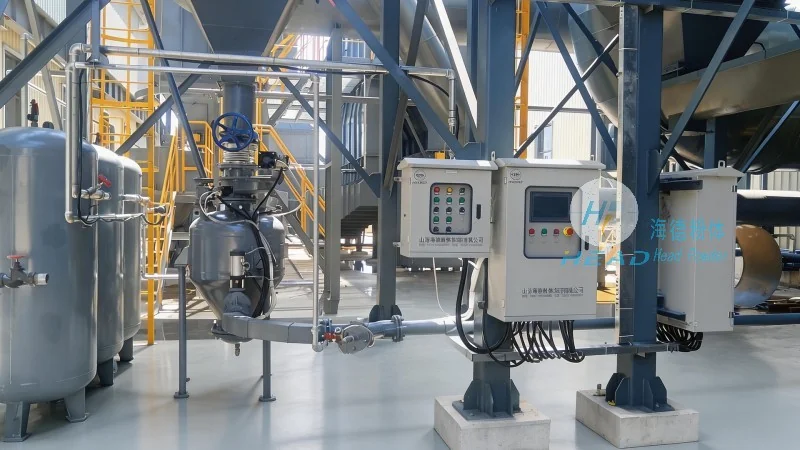
Understanding Pneumatic Conveying Systems
Pneumatic conveying is a method of transporting bulk materials through a pipeline using air or gas as the conveying medium. It is widely used in the chemical, food, and battery industries due to its ability to handle fine powders and minimize material contamination. The two primary types of pneumatic conveying are positive pressure and negative pressure systems, each with distinct characteristics that influence their performance and suitability for specific applications.
Positive Pressure Conveying: The Advantages and Applications
Positive pressure conveying, also known as pressure pneumatic conveying, operates by blowing air or gas into the material to create a positive pressure within the conveying line. This method is particularly effective for transporting materials over long distances and through complex piping systems. In the context of lithium battery mineral powders, positive pressure systems are often preferred for their ability to handle abrasive and corrosive materials without causing excessive wear on equipment. The high pressure ensures that the material is fully suspended and conveyed efficiently, reducing the risk of blockages and material degradation.
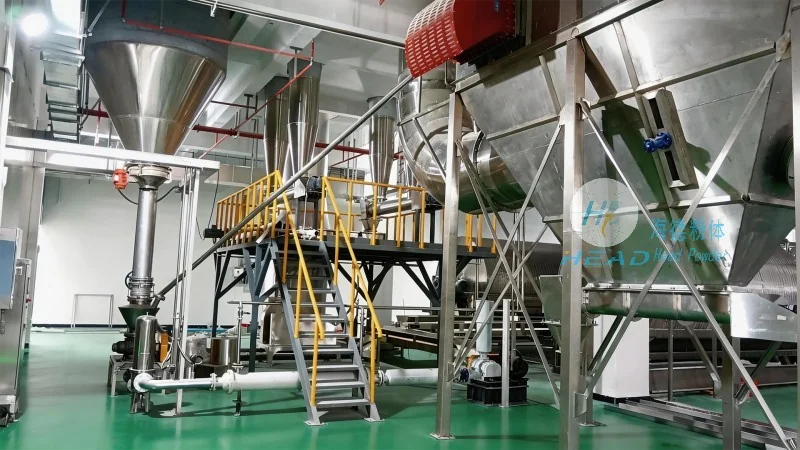
A key advantage of positive pressure systems is their ability to handle a wide range of particle sizes and moisture content. They are also suitable for applications where the material needs to be delivered to multiple destinations, as the system can be easily branched to different points. However, positive pressure conveying requires more robust equipment, including high-pressure blowers and durable pipelines, which can increase initial investment costs. Additionally, the system may generate more noise and require proper ventilation to manage air emissions.
Negative Pressure Conveying: The Benefits and Limitations
Negative pressure conveying, or vacuum pneumatic conveying, operates by creating a vacuum in the conveying line to draw material from the source. This method is ideal for short to medium distance transport and is often used in applications where the material is to be collected from a single point. For lithium battery mineral powders, negative pressure systems are commonly used in batch processing or when the material needs to be transferred from a hopper or silo to a processing unit. The vacuum created helps in maintaining a clean environment and reduces the risk of dust dispersion compared to positive pressure systems.
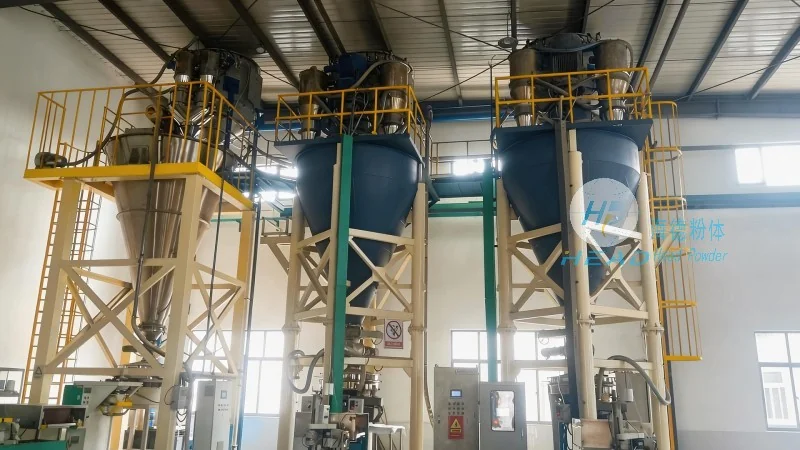
One of the main benefits of negative pressure conveying is its lower operational cost, as it typically uses smaller and less powerful vacuum pumps compared to high-pressure blowers. The system is also quieter and easier to install in existing facilities. However, negative pressure systems have limitations in terms of distance and material handling capacity. They are generally not suitable for long-distance transport or for handling highly abrasive materials, as the vacuum may not be sufficient to maintain material suspension over extended distances. Additionally, the system can be prone to clogging if the material contains high moisture content or is prone to agglomeration.
Comparative Analysis: Key Factors to Consider
When selecting between positive and negative pressure conveying systems for lithium battery mineral powders, several factors must be considered to ensure optimal performance and efficiency. The primary factors include the distance of material transport, the particle size and characteristics of the powder, the required flow rate, and the overall system cost. For long-distance or complex transport routes, positive pressure systems are often more suitable due to their higher conveying capacity and ability to handle abrasive materials. Conversely, for short-distance or batch processing applications, negative pressure systems may offer a more cost-effective solution.
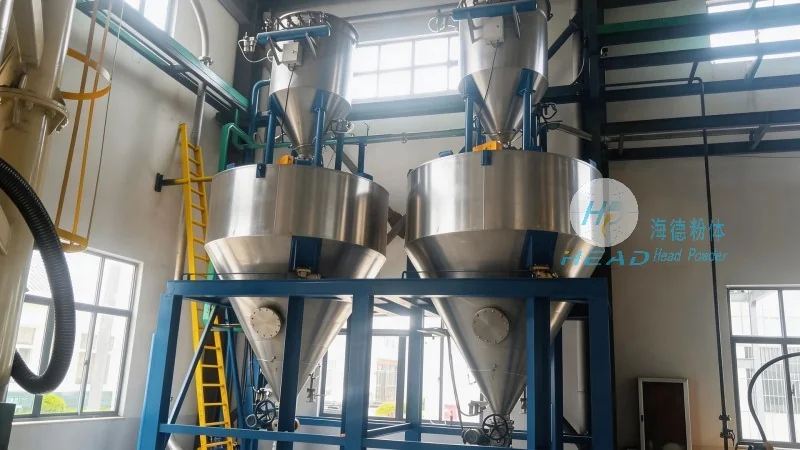
Another critical factor is the environmental impact and safety considerations. Positive pressure systems may require additional filtration and ventilation to manage air emissions, while negative pressure systems can help in maintaining a dust-free environment by drawing material into the system. The choice of system also depends on the specific processing requirements, such as the need for material drying or cooling during transport. Positive pressure systems can incorporate heating or cooling elements to adjust the material temperature, which is beneficial for sensitive lithium battery minerals.
Conclusion: Choosing the Right Conveying System
Both positive pressure and negative pressure pneumatic conveying systems offer viable solutions for transporting lithium battery mineral powders, each with its own set of advantages and limitations. The selection of the appropriate system depends on the specific operational requirements, including distance, material characteristics, and budget constraints. HeadPowder, with its expertise in engineering and material handling, provides tailored solutions that optimize the performance of pneumatic conveying systems for the lithium battery industry. By carefully evaluating the factors discussed, manufacturers can choose the most suitable conveying method to enhance efficiency, reduce costs, and ensure the quality of their lithium battery mineral powders.




