When it comes to transporting coal gangue lime, the choice between positive pressure and negative pressure pneumatic conveying systems is a critical decision for industrial operations. Both methods offer distinct advantages and are suited to different operational requirements. This analysis delves into the characteristics, applications, and performance metrics of each approach, providing a comprehensive overview to aid in informed decision-making.
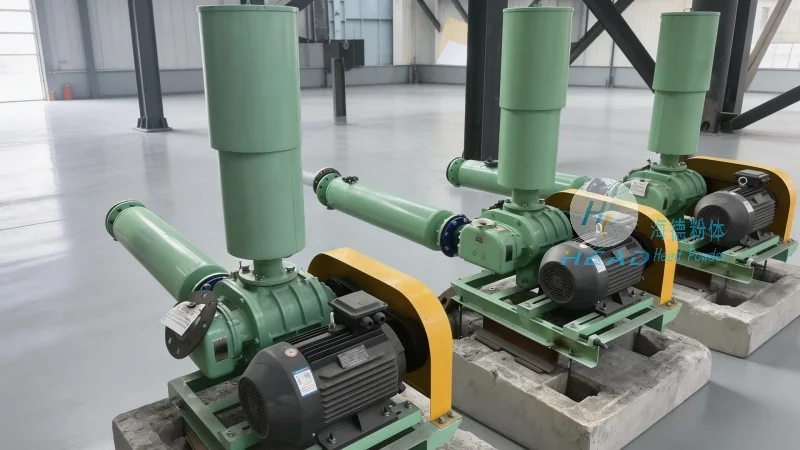
Understanding Pneumatic Conveying Systems
Pneumatic conveying is a method of transporting bulk materials through a pipeline using air or gas as the conveying medium. It is widely used in industries such as mining, cement, and chemical processing due to its efficiency and flexibility. The two primary types are positive pressure and negative pressure systems, each with unique operational principles and benefits.
Positive Pressure Conveying: Advantages and Applications
Positive pressure conveying systems operate by blowing air or gas into the material stream, creating a pressure higher than the ambient air pressure. This method is particularly effective for transporting materials over long distances or through complex pipe networks. One of the key advantages is the ability to handle a wide range of particle sizes and densities, making it suitable for coal gangue lime with varying characteristics. The system also allows for easy integration with other processing equipment, as the material is delivered under pressure to the destination point.
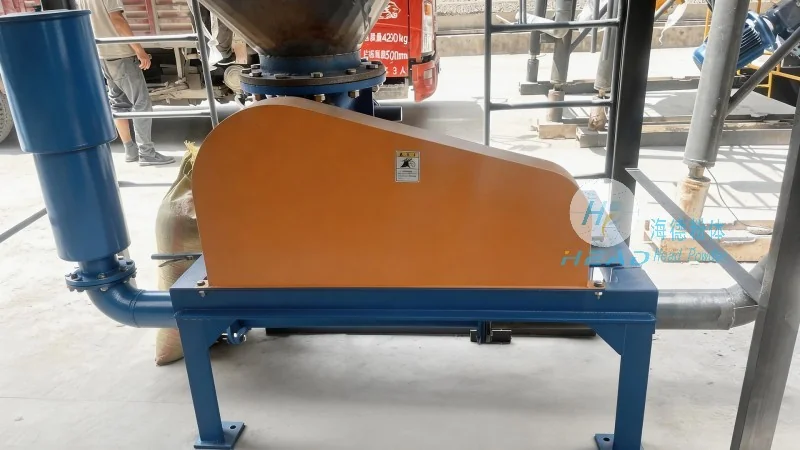
In terms of performance, positive pressure systems typically offer higher conveying velocities and can handle larger volumes of material. However, they may require more robust equipment and higher energy consumption compared to negative pressure systems. The initial investment and maintenance costs are generally higher, but the operational efficiency and reliability make them a preferred choice for many industrial applications.
Negative Pressure Conveying: Benefits and Operational Considerations
Negative pressure conveying, also known as suction or vacuum conveying, operates by creating a vacuum in the pipeline, drawing material from the source into the system. This method is ideal for short to medium distance conveying and is often used in applications where the material is to be collected from multiple points or where the destination is at a lower elevation. The primary benefit is the ability to handle fine powders and dust without the need for high-pressure air, reducing the risk of material degradation or clogging.
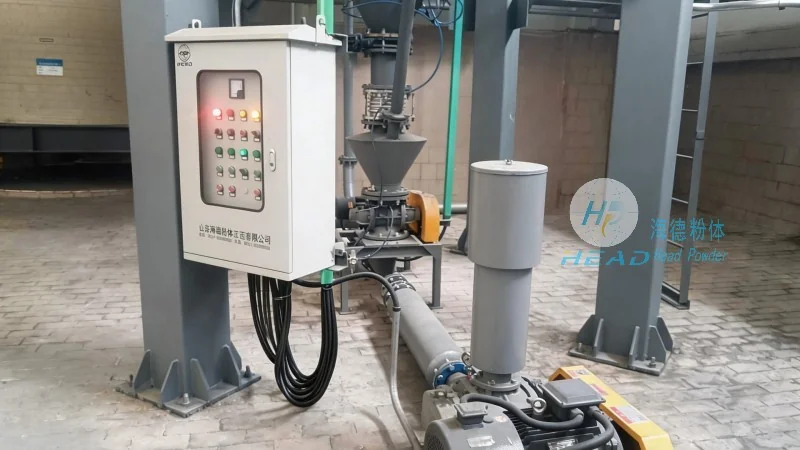
From an operational standpoint, negative pressure systems are generally more energy-efficient and require less maintenance compared to positive pressure systems. The lower pressure requirements mean that the equipment is often more compact and less expensive to install. However, they are limited in conveying distance and material capacity, and may not be suitable for handling abrasive or high-density materials like coal gangue lime without additional considerations.
Key Performance Metrics and Factors to Consider
When comparing positive and negative pressure conveying for coal gangue lime, several performance metrics and operational factors must be evaluated. These include the conveying distance, material properties (such as particle size, density, and moisture content), system efficiency, and environmental impact. The choice of system also depends on the specific application, such as whether the material is being transported from a storage silo to a processing plant or from a production line to a disposal site.
For instance, in a coal gangue lime processing plant, positive pressure conveying might be preferred for transporting the material from a large storage silo to a grinding or mixing unit, especially if the distance is significant. Conversely, negative pressure conveying could be used for collecting fine dust from a conveyor belt or for transferring material from a small hopper to a mixer, where the distance is short and the material is fine.
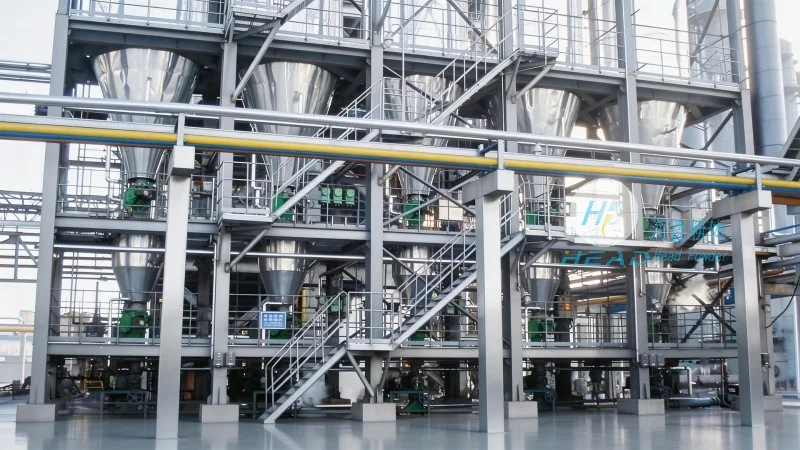
Conclusion: Selecting the Right Conveying Method
Ultimately, the decision between positive and negative pressure pneumatic conveying for coal gangue lime depends on a careful assessment of operational needs, material characteristics, and cost considerations. Positive pressure systems offer greater flexibility and capacity, making them suitable for large-scale, long-distance applications. Negative pressure systems, while more energy-efficient and cost-effective for shorter distances, may be limited in their ability to handle certain material properties.
Companies like Shandong HeadPowder Engineering Co., Ltd., a leading provider of industrial conveying solutions, offer expertise in designing and implementing both positive and negative pressure systems tailored to specific requirements. By understanding the advantages and limitations of each method, industrial operators can optimize their material handling processes, enhance operational efficiency, and ensure compliance with safety and environmental standards.




