When it comes to transporting catalyst powders, selecting the right pneumatic conveying system is crucial for efficiency, safety, and cost-effectiveness. The two primary options are positive pressure and negative pressure systems, each with distinct characteristics and applications. Understanding the differences between these two methods is essential for making an informed decision that aligns with specific operational requirements.
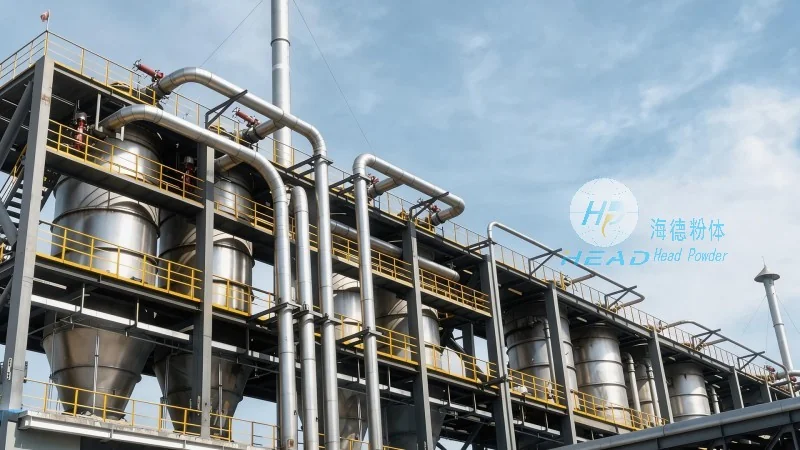
HeadPowder, a leading provider of specialized engineering solutions, offers expertise in designing and implementing effective pneumatic conveying systems tailored to the unique needs of catalyst powder handling. With a focus on quality and reliability, HeadPowder's team of engineers ensures that the chosen system maximizes performance while minimizing operational risks.
Understanding Positive Pressure Pneumatic Conveying
Positive pressure systems, also known as pressure-fed or pressure-type systems, operate by blowing air or gas into the conveying line, creating a pressure higher than the ambient air pressure. This method is particularly effective for transporting powders over long distances or through complex piping networks. The high pressure ensures that the material is propelled forward, overcoming resistance and maintaining a consistent flow rate.
For catalyst powders, which often require gentle handling to prevent agglomeration or degradation, positive pressure systems can be advantageous. The controlled pressure and flow rates help maintain the integrity of the powder, reducing the risk of particle damage. Additionally, these systems are well-suited for applications where the material needs to be delivered to multiple destinations or integrated into existing processing lines.
Key Features of Positive Pressure Conveying
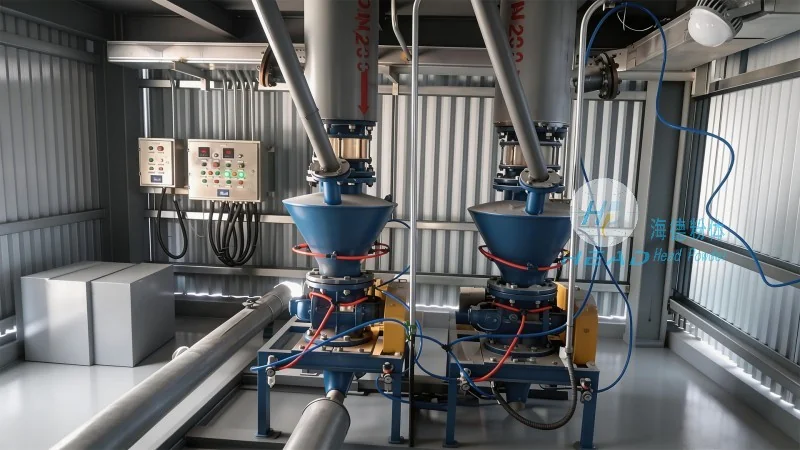
Positive pressure systems typically feature a blower or compressor that generates the necessary pressure. The conveying line is sealed, preventing air leakage and maintaining the pressure differential. This design allows for the transportation of abrasive or sensitive materials without compromising their quality. HeadPowder's engineering solutions often incorporate advanced control systems that monitor pressure, flow, and temperature, ensuring optimal performance and safety.
Advantages of Positive Pressure Pneumatic Conveying
One of the main advantages of positive pressure systems is their ability to handle long-distance conveying with minimal pressure loss. This makes them ideal for facilities where the catalyst powder needs to be transported from a storage area to a processing unit or across a large plant. The high pressure also helps in maintaining a consistent flow rate, which is critical for maintaining the efficiency of downstream processes.
Another benefit is the reduced risk of dust emissions compared to some negative pressure systems. Since the system operates under positive pressure, the material is contained within the sealed line, minimizing the release of particles into the environment. This is particularly important for catalyst powders, which may contain hazardous or sensitive components that require strict containment.
Understanding Negative Pressure Pneumatic Conveying
Negative pressure systems, also known as vacuum or suction-type systems, operate by creating a vacuum in the conveying line, drawing the material from the source into the system. This method is commonly used for short-distance conveying or when the material needs to be collected from a specific point and transported to a central location.
For catalyst powders, negative pressure systems can be effective in applications where the material is generated at a specific point and needs to be collected and transported to a processing unit. The vacuum helps in capturing the powder without the need for complex piping or high-pressure equipment. However, these systems may be less suitable for long-distance or high-volume applications due to potential pressure drop and material degradation risks.
Key Features of Negative Pressure Conveying
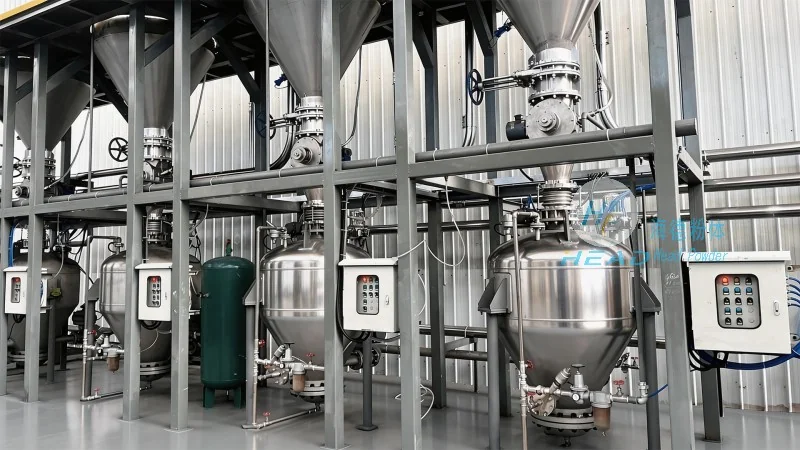
Negative pressure systems rely on a vacuum pump to create the suction effect. The conveying line is open at the inlet, allowing the material to be drawn in. The system is designed to handle materials that are less abrasive and can tolerate the lower pressure conditions. HeadPowder's solutions for negative pressure conveying often include filtration and dust collection systems to ensure that the material is handled safely and efficiently.
Advantages of Negative Pressure Pneumatic Conveying
One of the primary advantages of negative pressure systems is their simplicity and lower initial cost compared to positive pressure systems. The vacuum pump and simpler piping design reduce the overall investment required for the system. This makes them an attractive option for facilities with limited budgets or where the conveying distance is short.
Another benefit is the ability to handle materials that are prone to caking or agglomeration. The low pressure and gentle suction help in maintaining the flowability of the catalyst powder, preventing blockages in the system. Additionally, negative pressure systems are often used in applications where the material needs to be collected from multiple points and transported to a central processing unit, as the suction can draw material from various sources simultaneously.
Distinguishing Between Positive and Negative Pressure Systems
When deciding between positive and negative pressure pneumatic conveying for catalyst powders, several factors need to be considered. The most critical factors include the conveying distance, the volume of material to be transported, the material's properties (such as particle size, moisture content, and abrasiveness), and the overall plant layout.
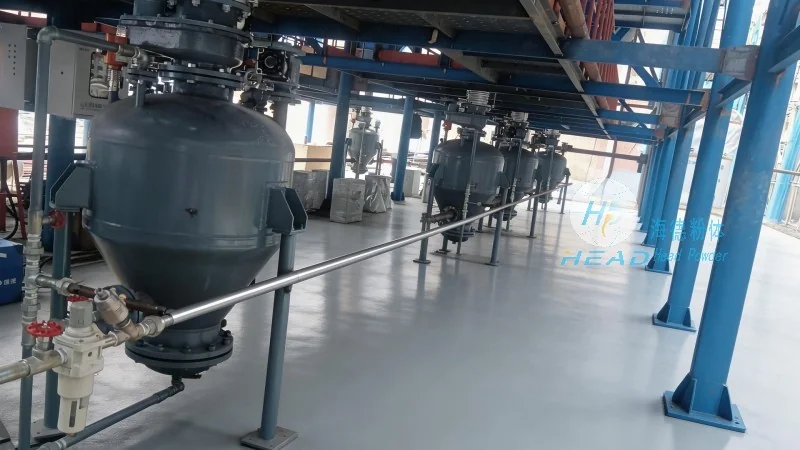
For long-distance or high-volume conveying, positive pressure systems are generally more suitable due to their ability to maintain pressure and flow rates over extended distances. These systems are also better for handling abrasive or sensitive materials that require gentle handling. Conversely, negative pressure systems are ideal for short-distance applications or when the material needs to be collected from multiple points and transported to a central location.
HeadPowder's engineering team conducts thorough assessments of each project to determine the most appropriate system. By analyzing the specific requirements of the catalyst powder handling process, the team can recommend the optimal solution that balances efficiency, cost, and safety. This approach ensures that the chosen system meets the operational needs while adhering to industry standards and regulatory requirements.
Conclusion
Choosing between positive and negative pressure pneumatic conveying for catalyst powders requires a careful evaluation of the specific application and operational constraints. Positive pressure systems offer advantages in terms of long-distance conveying, material integrity, and reduced dust emissions, while negative pressure systems provide simplicity and lower costs for shorter distances or multiple collection points. HeadPowder, with its expertise in catalyst powder handling, provides tailored solutions that address these considerations, ensuring that the selected system maximizes performance and minimizes risks.
By understanding the differences between these two methods and consulting with experienced engineers like those at HeadPowder, facilities can make informed decisions that enhance their catalyst powder handling operations. The right choice of pneumatic conveying system not only improves efficiency but also contributes to overall operational safety and cost savings.




