Barite, a critical industrial mineral used extensively in drilling fluids, oil and gas exploration, and various other applications, often requires efficient material handling solutions. Among the available methods, pneumatic conveying stands out as a versatile and effective approach. However, when selecting the right pneumatic conveying system for barite, a key decision emerges: should you opt for a positive pressure system or a negative pressure system? This article aims to clarify the distinctions between these two types of pneumatic conveying systems, providing insights into their operational principles, advantages, and practical applications. By understanding these differences, industry professionals can make informed choices that optimize performance, reduce operational costs, and enhance safety in barite handling processes.
Understanding Pneumatic Conveying Systems
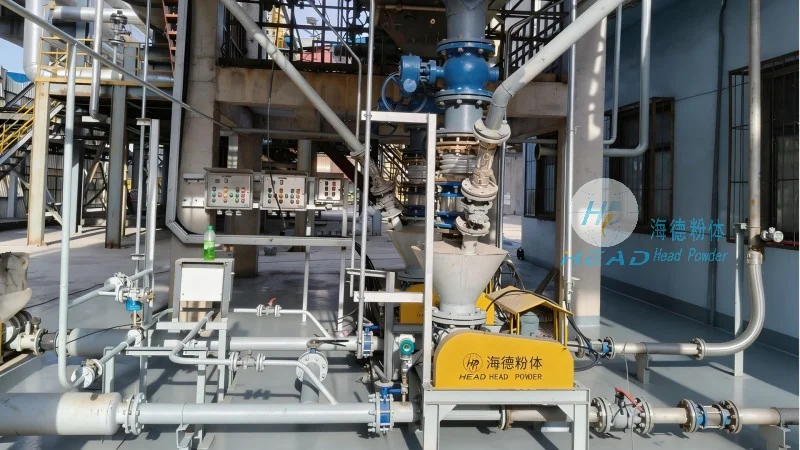
Pneumatic conveying systems utilize air or gas to transport bulk materials like barite from one location to another. These systems are categorized into two primary types based on the pressure differential relative to the surrounding environment: positive pressure and negative pressure systems. Both systems rely on air movement to move material, but they differ significantly in their design, operation, and suitability for specific applications.
Positive Pressure Pneumatic Conveying
Positive pressure systems operate by forcing air and material through the conveying line under pressure that is higher than ambient air pressure. This is achieved using a positive displacement blower or a rotary lobe blower as the air source. The high-pressure air creates a flow that propels barite particles through the pipeline. A defining characteristic of positive pressure systems is that the entire conveying line, including the discharge point, is under positive pressure. This design helps prevent dust leakage and contamination from the environment, making it ideal for applications where material purity and environmental control are critical.
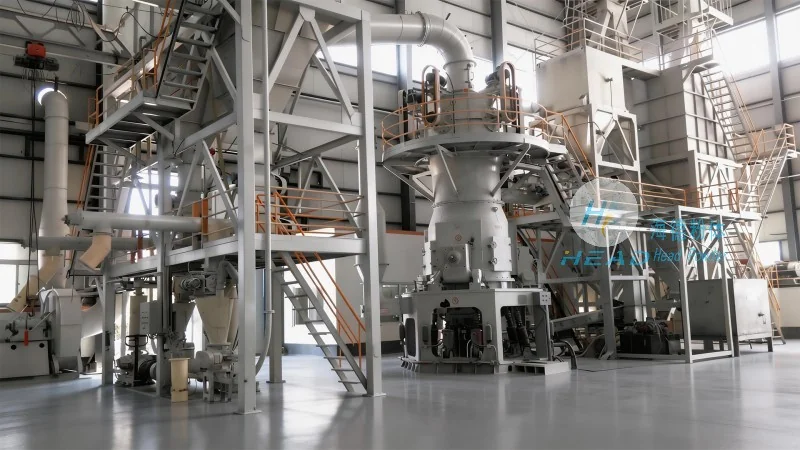
Positive pressure systems are generally more robust and capable of handling longer conveying distances and higher material loads compared to negative pressure systems. They are often preferred for applications involving abrasive or corrosive materials, as the high-pressure air can effectively transport these materials without causing excessive wear on system components. Additionally, positive pressure systems typically require less maintenance due to their simpler design and fewer moving parts compared to negative pressure systems.
Negative Pressure Pneumatic Conveying
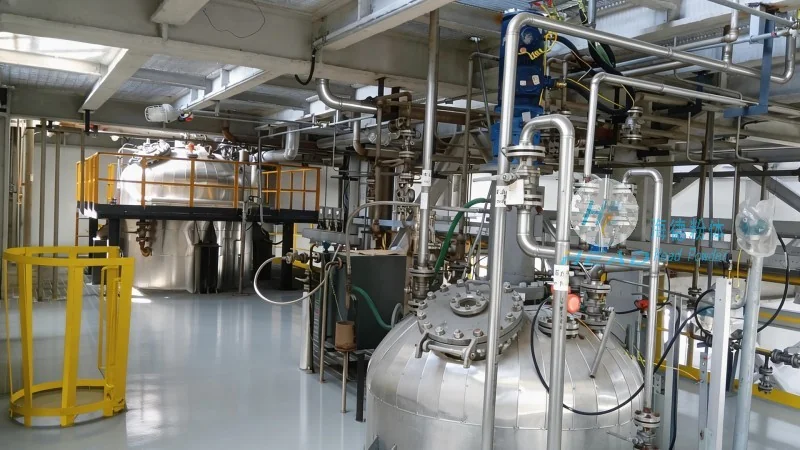
Negative pressure systems, also known as suction or vacuum systems, operate by creating a vacuum within the conveying line, which is lower than ambient air pressure. The vacuum is generated by a fan or an eductor that pulls air and material through the pipeline. In this system, the material is drawn into the conveying line from the source, and the air flow carries the barite particles to the destination. Unlike positive pressure systems, the entire conveying line, including the inlet, is under negative pressure, while the discharge point is at or near atmospheric pressure.
Negative pressure systems are particularly effective for applications where the material source is at a higher elevation or where the material needs to be collected from multiple points and transported to a single location. They are often used in environments where dust control is less critical, as the system draws air and material into the line rather than expelling it. However, negative pressure systems are more susceptible to clogging and material degradation due to lower air velocity and potential moisture accumulation in the pipeline.
Distinguishing Between Positive and Negative Pressure Systems
When deciding between positive and negative pressure pneumatic conveying for barite, several factors must be considered. The first and most critical factor is the material characteristics of the barite, including particle size, density, and moisture content. Larger or more abrasive particles may require the higher air velocities and pressures associated with positive pressure systems to ensure efficient transport. Conversely, fine or low-density barite may be better suited for negative pressure systems, as the lower pressure differentials can still effectively move the material without causing excessive wear.
Another important consideration is the conveying distance and system layout. Positive pressure systems are generally more suitable for longer distances due to their higher air pressure and ability to maintain consistent material flow. Negative pressure systems, while effective for shorter distances, may struggle with longer runs as the vacuum pressure decreases, leading to reduced material transport efficiency.
Environmental and safety requirements also play a significant role in selection. Positive pressure systems are preferred in applications where dust containment and environmental compliance are paramount, as they prevent material leakage and minimize dust exposure risks. Negative pressure systems, on the other hand, may be more suitable for applications where the material is less hazardous or where the system is enclosed and well-ventilated.
Conclusion
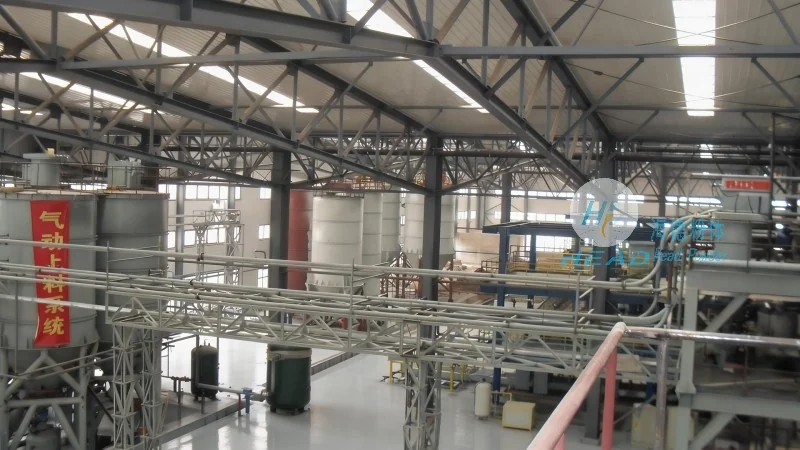
Choosing between positive and negative pressure pneumatic conveying for barite handling requires a thorough evaluation of material properties, operational needs, and environmental considerations. Positive pressure systems offer robustness, high material handling capacity, and excellent dust control, making them ideal for demanding applications. Negative pressure systems, while more cost-effective for shorter distances and less hazardous materials, may have limitations in terms of material transport efficiency and dust control.
Shandong HeadPowder Engineering Co., Ltd., a leading provider of pneumatic conveying solutions, specializes in designing and manufacturing customized systems tailored to the specific needs of barite processing facilities. With years of industry experience, the company offers expert guidance and technical support to help clients select the most appropriate pneumatic conveying system for their operations. Located in Shandong, China, HeadPowder Engineering leverages advanced technology and engineering expertise to deliver high-quality, reliable solutions that enhance productivity and operational efficiency in barite handling processes.




