Pharmaceutical powder pneumatic conveying is a critical technology in the pharmaceutical industry, enabling the safe, efficient, and hygienic transport of powdered drugs and raw materials. This method replaces traditional mechanical conveying systems, offering advantages such as reduced contamination risk, improved process control, and enhanced product integrity. As pharmaceutical manufacturing standards evolve, the adoption of advanced pneumatic conveying systems has become essential for meeting regulatory requirements and optimizing production lines.
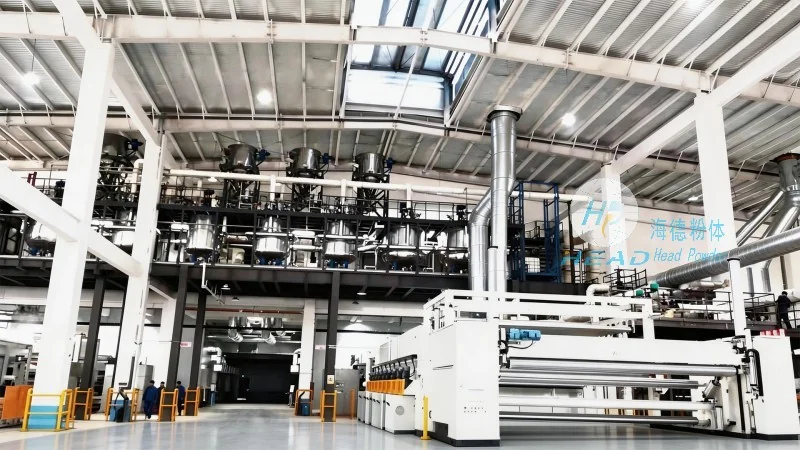
About Shandong HeadPowder Engineering Co., Ltd.
HeadPowder, a leading provider in the field, specializes in the design, manufacturing, and installation of customized pneumatic conveying solutions tailored to the unique needs of the pharmaceutical sector. With a strong commitment to quality and compliance, the company has established itself as a trusted partner for pharmaceutical manufacturers worldwide. HeadPowder's expertise lies in delivering systems that adhere to stringent GMP (Good Manufacturing Practice) guidelines, ensuring that every aspect of the conveying process meets the highest standards of safety and efficacy.
Working Principles of Pharmaceutical Pneumatic Conveying
The fundamental principle of pneumatic conveying involves the use of a fluid (typically air or gas) to transport solid particles through a pipeline. In pharmaceutical applications, this process is designed to maintain a sterile and controlled environment. The system typically consists of a hopper, a conveying line, and a receiver, with additional components like filters, cyclones, and pressure vessels to manage the flow and ensure product purity. The conveying can be categorized as either suction (or vacuum) or pressure systems, each with distinct operational characteristics and applications.
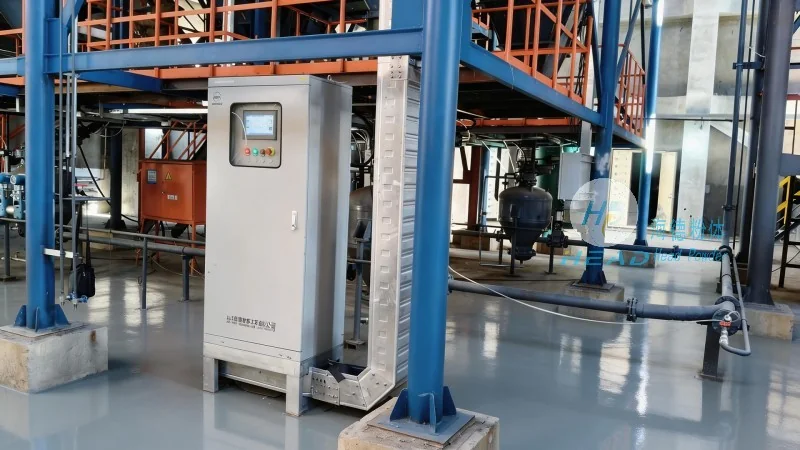
Classification of Pharmaceutical Pneumatic Conveying Systems
Pharmaceutical pneumatic conveying systems are broadly classified into two main types: suction (or vacuum) systems and pressure systems. Suction systems operate by creating a negative pressure in the conveying line, drawing material from the source into the system. These systems are ideal for applications requiring gentle handling of delicate powders, as they minimize particle breakage and maintain product integrity. On the other hand, pressure systems use positive pressure to push material through the pipeline, offering higher conveying capacities and suitability for longer distances or more challenging material properties.
Key Components and Their Functions
Several critical components are integral to the effective operation of pharmaceutical pneumatic conveying systems. The hopper serves as the storage and feeding unit, ensuring a consistent flow of material into the conveying line. The conveying line itself is typically made of stainless steel or other corrosion-resistant materials to prevent contamination and maintain product purity. Filters and cyclones are essential for separating the conveyed powder from the air stream, preventing dust accumulation and ensuring clean air discharge. Pressure vessels and receivers are used to store the material at the destination, providing a buffer and controlling the discharge process. Additionally, control systems, including sensors and valves, enable precise regulation of the conveying process, ensuring optimal performance and safety.
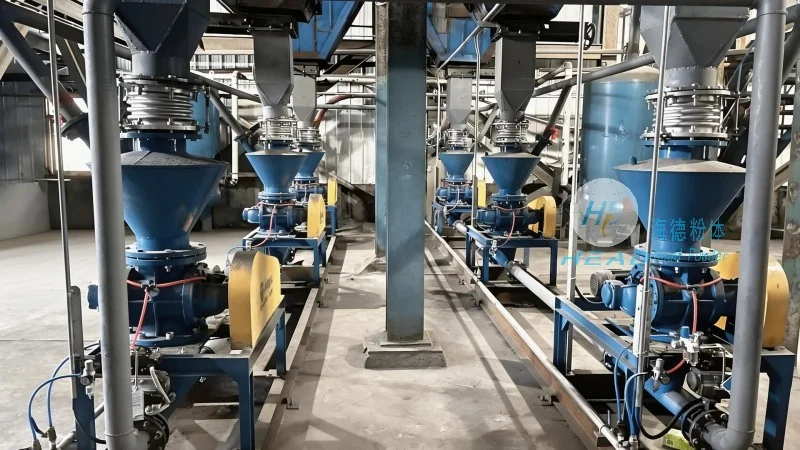
Applications in Pharmaceutical Manufacturing
Pharmaceutical pneumatic conveying is widely used across various stages of drug production, from raw material handling to final product packaging. In the raw material stage, it facilitates the transport of active pharmaceutical ingredients (APIs), excipients, and other powders from storage to processing units. During the manufacturing process, it enables the transfer of intermediate products between different equipment, such as mixers, granulators, and tablet presses. Finally, in the packaging stage, it assists in moving finished powders into final containers, ensuring efficient and hygienic handling. The versatility of pneumatic conveying makes it suitable for a wide range of pharmaceutical products, including powders, granules, and fine particles.
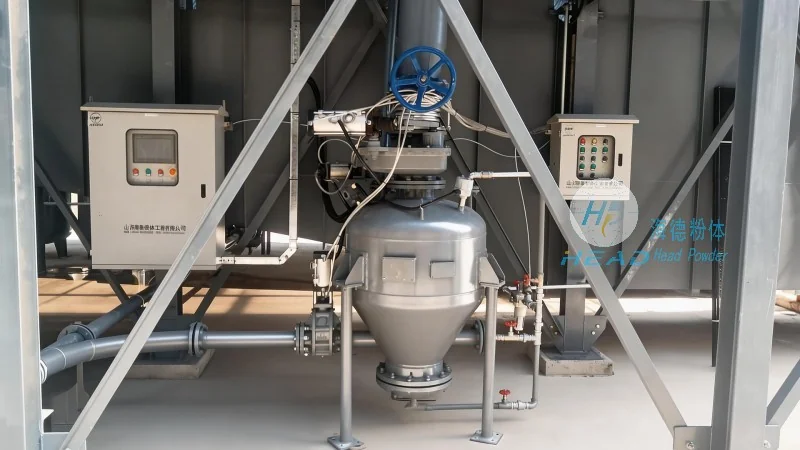
Advantages of Pharmaceutical Pneumatic Conveying
Compared to traditional mechanical conveying methods, pharmaceutical pneumatic conveying offers several key advantages. First, it eliminates the need for physical contact between the material and the conveying equipment, reducing the risk of contamination and cross-contamination. This is particularly important in pharmaceutical manufacturing, where product purity is paramount. Second, the system provides better control over the conveying process, allowing for precise regulation of flow rates and pressure, which enhances product quality and consistency. Third, pneumatic conveying systems are more flexible and adaptable, enabling easy integration with existing production lines and future expansion. Finally, the technology reduces labor costs and maintenance requirements, as it eliminates the need for manual handling and mechanical parts that require regular maintenance.
Conclusion and Future Outlook
Pharmaceutical powder pneumatic conveying is a vital technology in modern pharmaceutical manufacturing, offering a safe, efficient, and hygienic solution for material transport. With the increasing demand for high-quality pharmaceutical products and stringent regulatory standards, the adoption of advanced pneumatic conveying systems will continue to grow. Companies like Shandong HeadPowder Engineering Co., Ltd. play a crucial role in providing customized solutions that meet these evolving needs, ensuring that pharmaceutical manufacturers can maintain their competitive edge while adhering to the highest standards of quality and safety.




