Clay dust, a common byproduct in industrial processes such as mining, ceramics, and construction, poses unique challenges for material handling. Traditional methods like belt conveyors or manual transport are often inefficient and can lead to dust dispersion, health hazards, and operational inefficiencies. Pneumatic conveying systems offer a solution by transporting clay dust through air pressure, providing a more controlled, hygienic, and energy-efficient method. This analysis explores the design, components, and operational principles of clay dust pneumatic conveying systems, highlighting their benefits and practical applications.
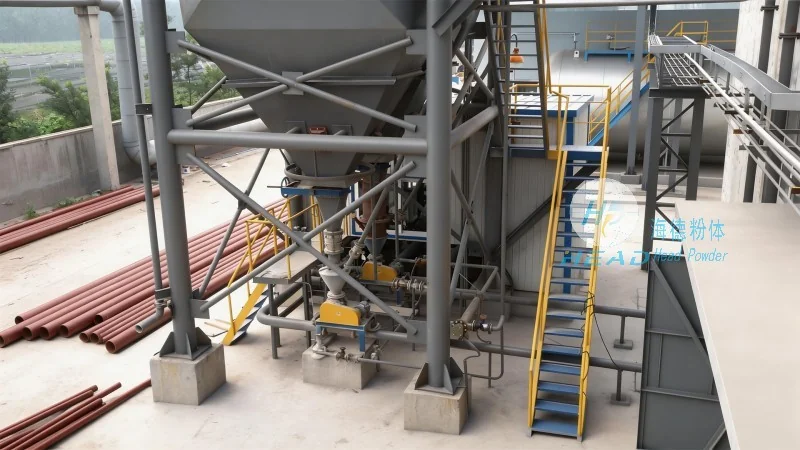
HeadPowder Engineering: A Leader in Pneumatic Conveying Solutions
At Shandong HeadPowder Engineering Co., Ltd., we specialize in developing and manufacturing advanced pneumatic conveying systems tailored to the specific needs of industries dealing with clay dust. Our company, commonly known as HeadPowder, is headquartered in Shandong, China, and has established itself as a trusted provider of reliable and efficient material handling solutions. With years of experience in the field, we understand the complexities of clay dust properties, such as its fine particle size and cohesive nature, and design systems that address these challenges effectively.
Key Components of a Clay Dust Pneumatic Conveying System
A clay dust pneumatic conveying system typically consists of several critical components that work in tandem to ensure smooth and efficient material transport. The main components include a hopper or feeder to store and meter the clay dust, a conveying line (often a pipeline) that transports the material, a blower or compressor to generate the air pressure, and a receiver or discharge unit to collect the material at the destination. Additional components may include filters to remove dust from the air, valves to control flow, and sensors to monitor system performance. Each component is carefully selected and integrated to optimize the system's performance and reliability.
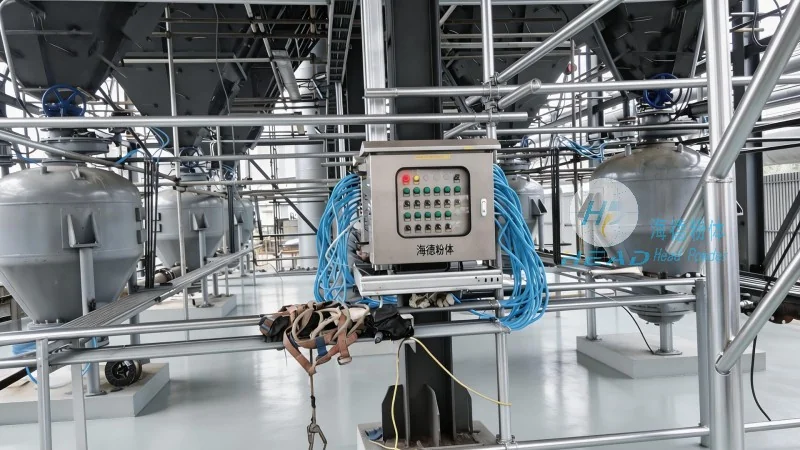
Types of Pneumatic Conveying Systems for Clay Dust
There are two primary types of pneumatic conveying systems used for clay dust: positive pressure and negative pressure systems. Positive pressure systems use a blower to push air and material through the pipeline, making them suitable for long-distance or high-capacity applications. Negative pressure systems, on the other hand, use a vacuum to draw material into the pipeline, which is ideal for short-distance or low-volume transport. The choice between these systems depends on factors such as the distance between the source and destination, the material's properties, and the required flow rate. Both systems can be customized to meet specific operational requirements, ensuring optimal performance.
Benefits of Using Pneumatic Conveying for Clay Dust
Implementing a pneumatic conveying system for clay dust offers numerous advantages over traditional material handling methods. Firstly, it significantly reduces dust dispersion, improving workplace safety and air quality. By containing the material within a sealed system, it minimizes exposure to fine particles, which can cause respiratory issues. Secondly, it enhances operational efficiency by automating the material transport process, reducing labor costs and increasing throughput. The system also minimizes material degradation, as the enclosed environment prevents moisture and contamination. Additionally, pneumatic conveying systems are more energy-efficient compared to other methods, as they use less power to transport the same amount of material over longer distances. These benefits make pneumatic conveying an attractive solution for industries looking to improve their material handling processes.
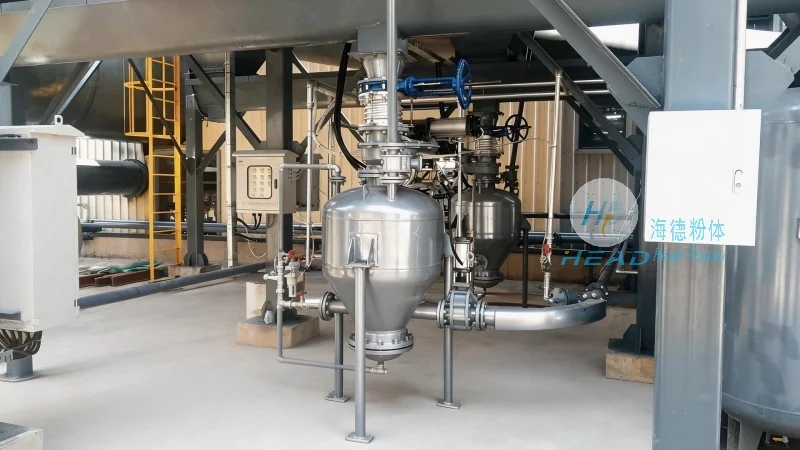
Application Examples in Industrial Settings
Clay dust pneumatic conveying systems are widely used in various industrial applications. In the ceramics industry, for example, these systems are used to transport raw clay from storage silos to production lines, ensuring a consistent and controlled supply of material. In mining operations, they help transport clay dust from processing plants to storage facilities, reducing the risk of dust-related accidents. Construction companies also benefit from these systems when handling clay-based materials for building projects, as they provide a clean and efficient way to move the material to job sites. These applications demonstrate the versatility and effectiveness of pneumatic conveying systems in handling clay dust, making them a preferred choice for many industries.
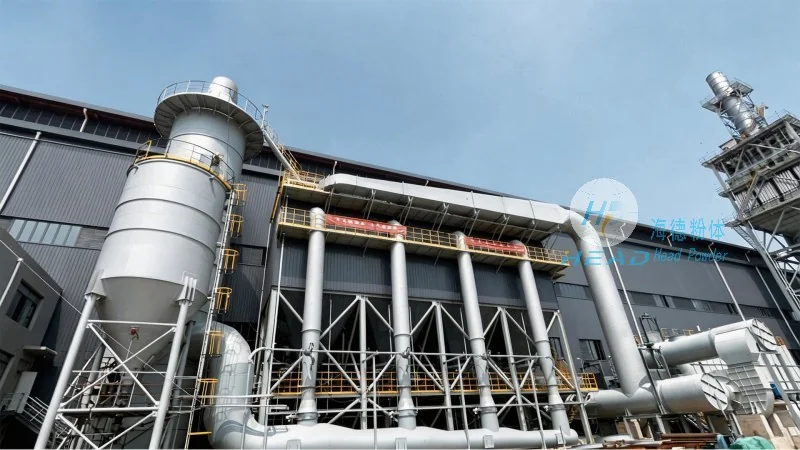
Design Considerations and Customization
Designing a clay dust pneumatic conveying system requires careful consideration of several factors to ensure optimal performance. The first consideration is the material's properties, such as particle size, moisture content, and cohesive strength, as these affect the system's design and components. The second factor is the distance and layout of the conveying line, which determines the type of system (positive or negative pressure) and the required air pressure. The third consideration is the flow rate and capacity needed, which influences the size of the blower or compressor and the diameter of the pipeline. At HeadPowder Engineering, we work closely with clients to understand their specific requirements and provide customized solutions that meet their operational needs. Our team of engineers uses advanced software and simulation tools to design systems that are efficient, reliable, and cost-effective.
Maintenance and Operational Tips
To ensure the longevity and efficiency of a clay dust pneumatic conveying system, regular maintenance is essential. This includes cleaning the hopper and feeder to prevent material buildup, inspecting the pipeline for blockages or wear, and checking the blower or compressor for proper operation. It is also important to monitor the system's performance regularly, such as checking the air pressure and flow rate, to identify any issues early. Proper maintenance can extend the system's lifespan and reduce downtime, ensuring consistent and reliable operation. Additionally, training operators on the proper use and maintenance of the system is crucial for maximizing its performance and safety.




