Yeast is a vital ingredient in the food and beverage sector, especially in brewing and fermentation processes. The efficient and hygienic transportation of yeast from storage to processing areas is crucial for maintaining product quality and operational efficiency. Pneumatic conveying systems provide an ideal solution for this task, offering a reliable method to move bulk yeast without the need for manual handling or mechanical equipment. This article delves into the analysis of yeast pneumatic conveying systems, exploring their design, functionality, and the benefits they bring to industrial operations.
Key Components of a Yeast Pneumatic Conveying System
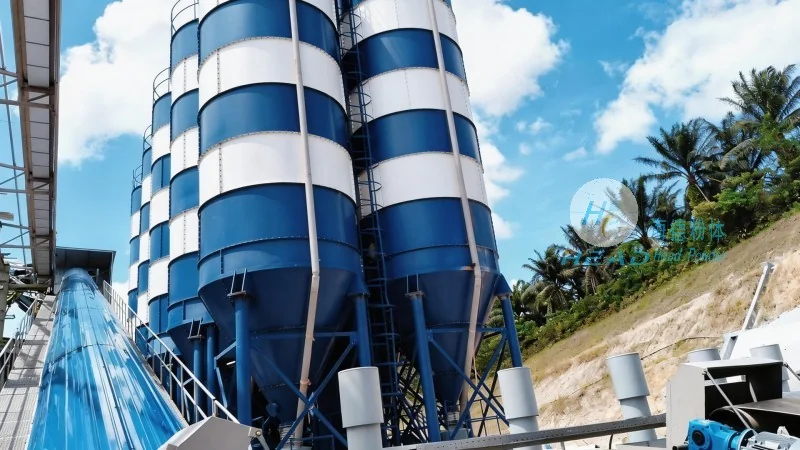
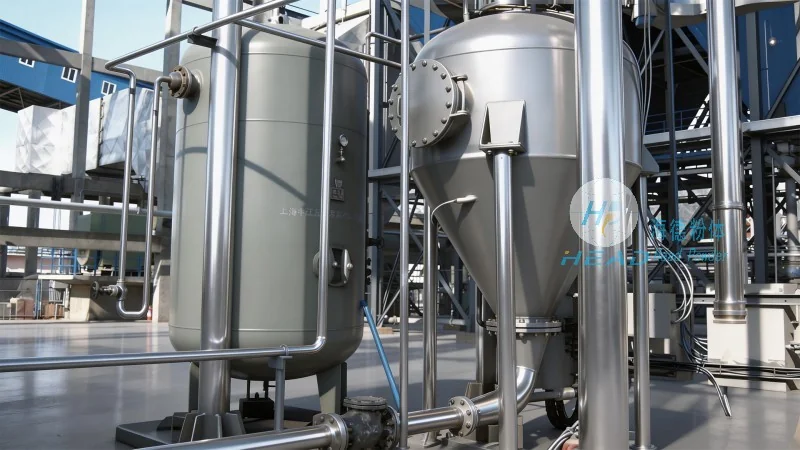
A standard yeast pneumatic conveying system comprises several essential components that work in tandem to ensure smooth operation. The primary components include the storage hopper or silo, a feeder mechanism to regulate yeast flow, a conveying line (typically constructed from stainless steel for hygiene), a blower or air compressor to generate the necessary air pressure, and a receiver or discharge hopper at the destination. The feeder, often a rotary valve or screw feeder, is designed to handle bulk yeast without clogging, ensuring consistent material flow. The conveying line may incorporate bends, elbows, or straight sections based on the facility layout. The blower provides the motive force, typically operating at low to medium pressures, ensuring yeast is transported without damage. The receiver collects the yeast and may include a dust collection system to maintain a clean environment. Each component is critical to the system's overall performance and must be selected and installed correctly to achieve optimal results.
Design Considerations for Hygienic and Efficient Operation
Designing a yeast pneumatic conveying system requires careful consideration of hygiene standards and operational efficiency, especially in the food industry. Materials used in construction, such as stainless steel 316, are non-corrosive and easy to clean, reducing the risk of contamination. The system should feature smooth surfaces and minimal dead zones to prevent yeast accumulation and bacterial growth. Cleaning mechanisms like CIP (Clean-In-Place) systems are essential for regular sanitation. The blower and other components must be positioned to minimize air leaks and maintain consistent pressure. The overall layout should be optimized to reduce bends and line length, improving efficiency and energy use. Proper sealing of all connections is vital to preserve system integrity and prevent external contamination. These design choices ensure the system meets regulatory requirements and maintains product quality throughout the conveying process.
Benefits of Using Pneumatic Conveying for Yeast Handling
Adopting a pneumatic conveying system for yeast handling offers significant advantages over traditional methods. The primary benefit is enhanced hygiene, minimizing contamination risks and ensuring product safety. It also reduces manual labor, improving workplace safety and reducing accident risks. The system is highly flexible, easily integrating with existing production lines and enabling transport to multiple destinations. Energy efficiency is another key advantage, as compressed air is used to move the material, often more cost-effective long-term. The system helps maintain yeast quality by preventing exposure to air and moisture, which can degrade the product. Additionally, the system is compact, suitable for new or existing facilities, and can handle bulk quantities efficiently, making it ideal for large-scale production.
Application Examples in the Food and Beverage Industry
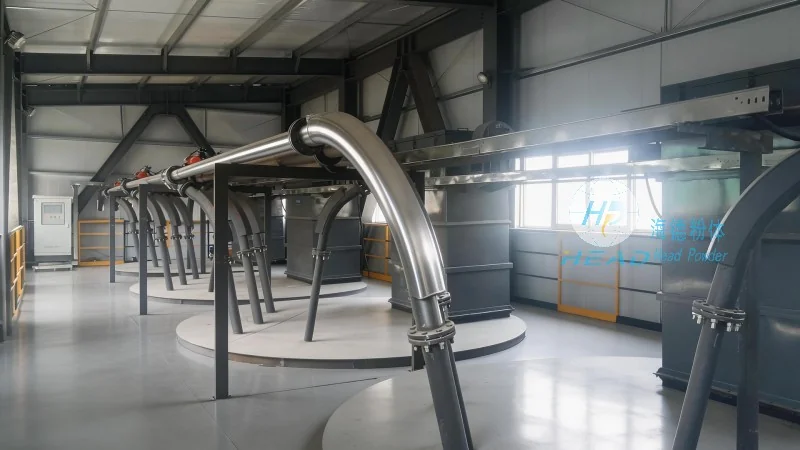
Yeast pneumatic conveying systems are widely applied in various food and beverage industry scenarios. In breweries, the system is used to transport yeast from storage silos to fermentation tanks, ensuring consistent and controlled yeast addition to wort. For yeast-based products like nutritional supplements or food additives, the system moves yeast from processing areas to packaging lines. In the dairy industry, it handles yeast used in cheese production. In each case, the system provides a reliable and efficient method for yeast movement, ensuring product quality meets standards. The ability to handle bulk quantities makes it suitable for large-scale operations, where efficiency and consistency are critical. These applications highlight the versatility and effectiveness of pneumatic conveying in yeast handling.
Maintenance and Troubleshooting for Optimal Performance
Regular maintenance is crucial for the long-term performance and reliability of a yeast pneumatic conveying system. This involves checking the conveying line for wear or damage, inspecting the feeder mechanism for proper operation, and ensuring the blower functions correctly. The system should be cleaned regularly, especially after handling different yeast types or production runs, to prevent cross-contamination. Prompt troubleshooting of issues like reduced capacity or air leaks is essential. Common problems may include clogged lines, worn seals, or a malfunctioning blower. Addressing these issues early minimizes downtime and ensures consistent performance. Regular maintenance also extends equipment lifespan and reduces costly repairs. By following a proactive maintenance schedule, operators can keep the system in optimal condition, maximizing its operational efficiency and lifespan.




