Stearic acid sodium, also known as sodium stearate, is a widely used chemical compound in various industrial applications. The pneumatic conveying system designed for handling this material plays a crucial role in ensuring efficient and safe material transport. This article provides an overview of the equipment used in such systems, along with a detailed explanation of its structural principles and operational mechanisms.
Company Profile: Shandong HeadPowder Engineering Co., Ltd.
Shandong HeadPowder Engineering Co., Ltd., commonly known as HeadPowder, is a professional manufacturer and supplier specializing in industrial conveying solutions. The company is headquartered in Shandong, China, and has established a strong presence in the chemical processing and material handling sectors. With a strong focus on innovation and quality, HeadPowder has become a trusted partner in providing customized pneumatic conveying systems tailored to meet the specific needs of clients, ensuring optimal performance and reliability.
Overview of Stearic Acid Sodium Pneumatic Conveying System
The stearic acid sodium pneumatic conveying system is a sophisticated piece of equipment engineered to transport powdered or granular stearic acid sodium efficiently. This system utilizes the principles of pneumatic conveying, where compressed air or other gases are used to move the material through a pipeline. The system is particularly suitable for handling fine powders, as it minimizes material degradation and ensures a clean, dust-free transfer process.
Key Components and Structural Principles
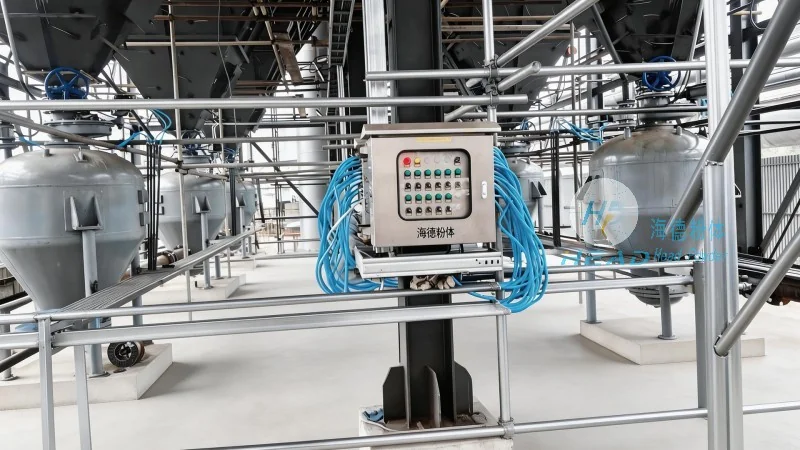
The pneumatic conveying system for stearic acid sodium typically consists of several key components, each playing a vital role in the overall operation. These components include the material hopper, feeder, air compressor, conveying line, and receiver. The structural design is optimized to ensure smooth material flow and efficient energy utilization.
1. **Material Hopper**: The hopper is the initial storage unit where stearic acid sodium is loaded. It is designed with a sloped bottom to facilitate the material's flow into the feeder. The hopper is usually made of durable materials such as stainless steel to prevent corrosion and maintain material purity.
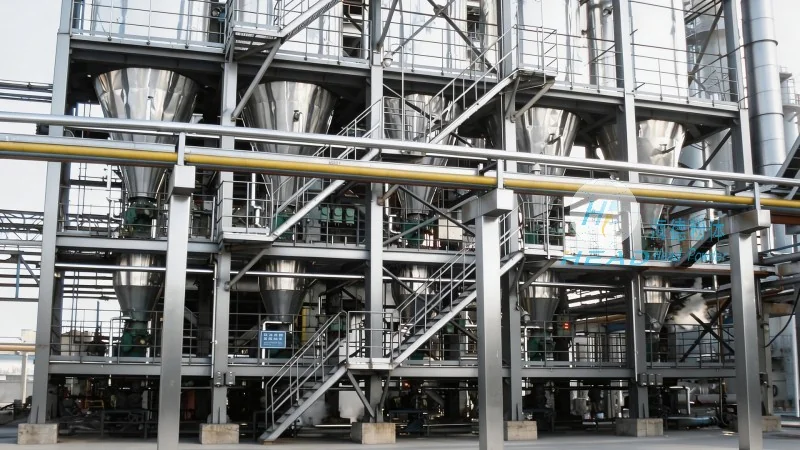
2. **Feeder**: The feeder is responsible for controlling the flow rate of stearic acid sodium from the hopper. It can be a rotary valve or a screw feeder, depending on the system requirements. The feeder ensures a consistent and controlled discharge of material into the conveying line, preventing blockages and maintaining system efficiency.
3. **Air Compressor**: The air compressor provides the necessary pressure and volume of air to move the material through the pipeline. It is a critical component that determines the conveying capacity and distance. The compressor is typically equipped with a filter and moisture separator to ensure clean air, which is essential for preventing material contamination and system wear.
4. **Conveying Line**: The conveying line is the main pipeline through which the stearic acid sodium is transported. It is usually made of stainless steel or other corrosion-resistant materials to withstand the chemical properties of the material. The line may include bends, elbows, and other fittings to guide the material to the desired destination. The design of the line is optimized to minimize pressure drop and ensure smooth material flow.
5. **Receiver**: The receiver is the final storage unit where the conveyed stearic acid sodium is deposited. It is similar in design to the hopper, with a sloped bottom to allow for easy discharge. The receiver is equipped with a dust collection system to capture any airborne particles and maintain a clean environment.
Operational Mechanism and Working Principle
The operation of the stearic acid sodium pneumatic conveying system involves several steps. First, the material is loaded into the hopper. The feeder then controls the flow rate, and the air compressor generates compressed air. The compressed air is introduced into the conveying line, creating a flow that lifts and transports the material. The material is carried by the air stream through the pipeline to the receiver. The air and material mixture is then separated in the receiver, with the air being discharged and the material collected.
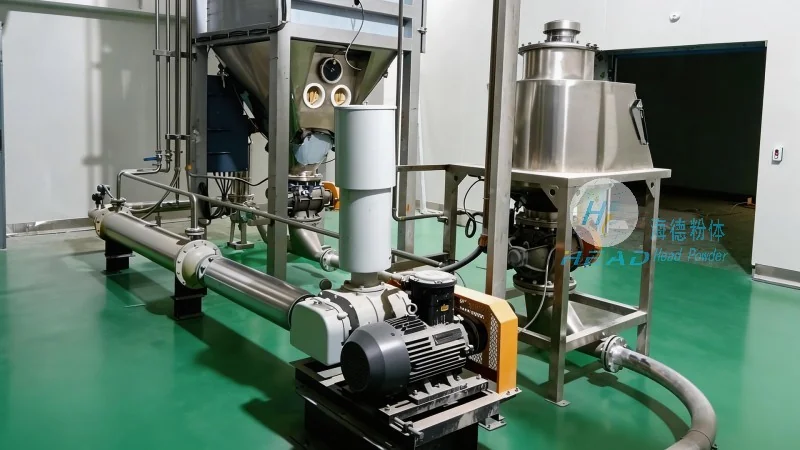
The system operates on the principle of fluidization, where the air flow creates a suspension of the material particles. This suspension allows for efficient transport over long distances and at high speeds. The design of the system ensures that the material is not damaged during the conveying process, maintaining its quality and consistency.
Advantages of the Stearic Acid Sodium Pneumatic Conveying System
The pneumatic conveying system for stearic acid sodium offers several advantages over traditional methods such as belt conveyors or bucket elevators. These advantages include:
1. **Efficiency and Speed**: The system can transport material over long distances at high speeds, significantly reducing the time required for material transfer.
2. **Low Maintenance**: With fewer moving parts compared to mechanical conveyors, the pneumatic system requires less maintenance and has a longer service life.
3. **Dust-Free Operation**: The enclosed system prevents dust emissions, ensuring a clean and safe working environment.
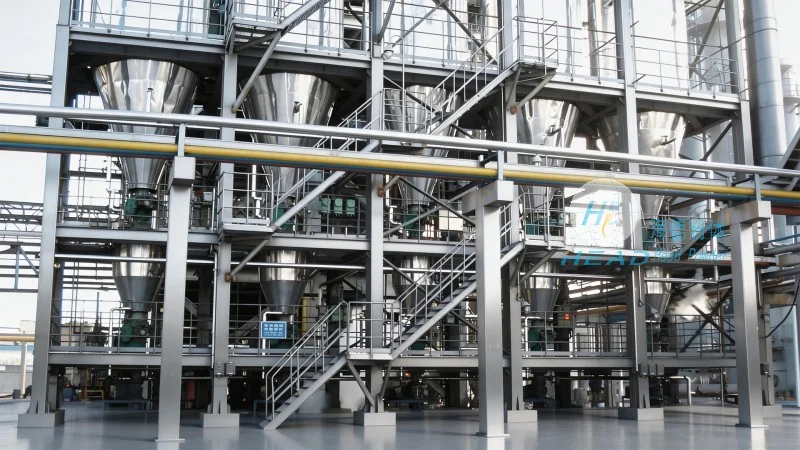
4. **Versatility**: The system can handle a wide range of material sizes and shapes, making it suitable for various industrial applications.
5. **Energy Efficiency**: The design of the system minimizes energy consumption, making it an economical choice for material handling.
Applications and Industries
The stearic acid sodium pneumatic conveying system is widely used in various industries, including chemical manufacturing, pharmaceuticals, food processing, and plastics. In these industries, the system is used to transport stearic acid sodium from storage to processing units, or from processing units to packaging areas. The system's ability to handle fine powders and maintain material purity makes it an ideal choice for applications where quality and consistency are critical.
Conclusion
The stearic acid sodium pneumatic conveying system is a highly efficient and reliable equipment designed to handle the material with precision and care. With its advanced structural design and operational principles, the system ensures optimal performance and minimal maintenance. Shandong HeadPowder Engineering Co., Ltd. continues to be a leading provider of such systems, offering customized solutions to meet the diverse needs of its clients. The company's commitment to quality and innovation has made it a trusted name in the industry, providing customers with reliable and efficient material handling solutions.




