HeadPowder, a leading engineering firm based in Shandong, China, specializes in the design and manufacturing of advanced pneumatic conveying systems tailored for synthetic rubber applications. This article provides an overview of the key equipment involved and the fundamental structural principles that underpin these systems.
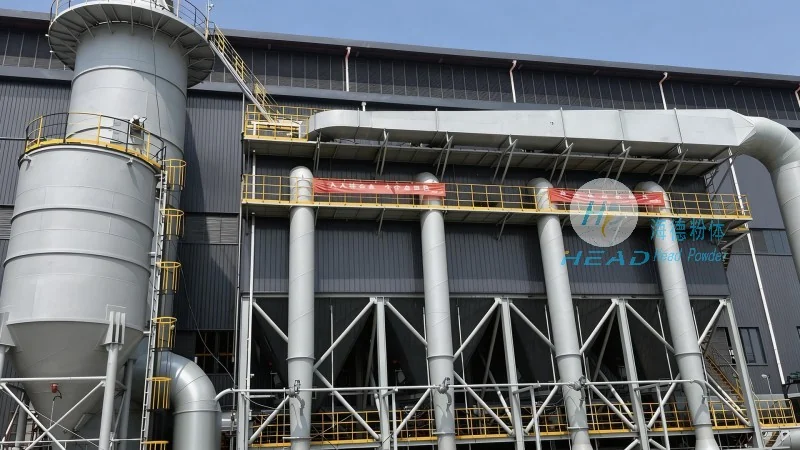
Overview of Core Equipment in Synthetic Rubber Pneumatic Conveying Systems
The pneumatic conveying system for synthetic rubber typically comprises several critical components that work in unison to ensure efficient material transport. The primary equipment includes the material feed hopper, which serves as the initial storage and feeding unit. This hopper is designed to handle bulk synthetic rubber, providing a controlled and consistent feed rate to the system. The feed hopper is equipped with a rotary valve or a feeder mechanism that regulates the flow of rubber particles into the conveying line, preventing blockages and ensuring smooth operation.
Next in the system is the air compressor or blower, which generates the necessary airflow to move the synthetic rubber particles through the pipeline. The choice of compressor type—such as positive displacement or centrifugal—depends on the specific requirements of the application, including the material's density, particle size, and the desired conveying distance. The compressor is connected to a filter system to ensure that the air used for conveying is clean and free from contaminants that could affect the quality of the synthetic rubber or damage the system components.
The pipeline itself is a crucial component, constructed from materials like stainless steel or special polymers to withstand the abrasive nature of synthetic rubber particles. The pipeline design includes bends, elbows, and straight sections, all engineered to minimize pressure losses and maintain the integrity of the conveying stream. The system may also incorporate check valves or non-return valves to prevent backflow and ensure unidirectional material transport.
At the receiving end of the system, a silo or storage tank is used to collect the delivered synthetic rubber. This storage unit is equipped with a discharge valve or a rotary valve to control the release of the material into downstream processes. The silo may also include a level indicator or a pressure sensor to monitor the material level and prevent overfilling or underfilling.
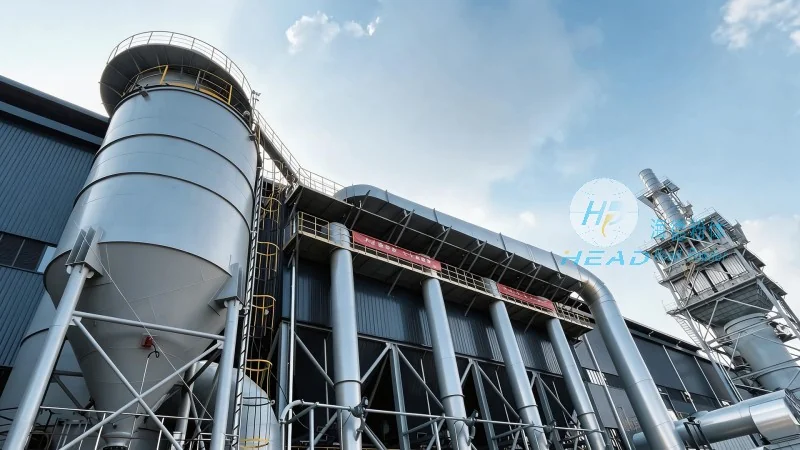
Structural Principles Governing Pneumatic Conveying for Synthetic Rubber
The structural principles of pneumatic conveying systems for synthetic rubber are based on the fundamental physics of fluid dynamics and particle transport. The primary principle is the use of air as the conveying medium, which creates a flow that entrains the synthetic rubber particles and transports them through the pipeline. This process is often categorized as either dense phase or dilute phase conveying, depending on the air-to-material ratio and the resulting flow characteristics.
In dense phase conveying, the air velocity is relatively low, and the material is transported in a compacted state, reducing the risk of particle degradation and minimizing pressure drop along the pipeline. This method is particularly suitable for conveying fine synthetic rubber particles or when the material is sensitive to high velocities. The structural design of dense phase systems includes larger diameter pipelines and slower air velocities to maintain the material's integrity.
Conversely, dilute phase conveying uses higher air velocities, resulting in a more dispersed material flow. This method is efficient for longer conveying distances and for materials that are less prone to degradation at higher speeds. The structural components in dilute phase systems, such as the pipeline and air compressor, are designed to handle higher velocities and pressures, often incorporating features like pulse-jet or rotary airlock valves to manage the flow dynamics.
Another critical structural principle is the prevention of material buildup and blockages within the system. Synthetic rubber particles can be sticky or have a tendency to agglomerate, which can lead to system failures. To mitigate this, the equipment includes features like anti-static coatings on the pipeline and hopper surfaces, as well as regular cleaning mechanisms or self-cleaning filters. The design also incorporates smooth transitions and minimal changes in pipeline diameter to reduce the likelihood of particle accumulation.
Key Considerations for System Design and Operation
When designing a pneumatic conveying system for synthetic rubber, several factors must be carefully considered to ensure optimal performance and longevity. The first is the material's physical properties, including particle size distribution, density, and moisture content. These characteristics influence the choice of equipment, such as the type of feeder and the air velocity required for effective conveying. For example, finer particles may require higher air velocities to prevent settling, while larger particles may need a denser phase system to maintain stability.
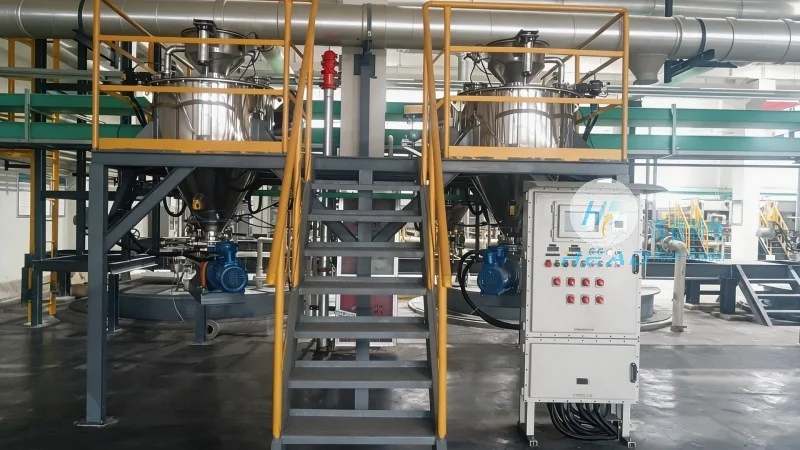
Another important consideration is the conveying distance and the layout of the system. The length and complexity of the pipeline affect the selection of the air compressor's capacity and the pipeline diameter. Longer conveying distances may necessitate additional booster compressors or larger diameter pipelines to maintain sufficient pressure and prevent material degradation. The system layout also needs to account for vertical and horizontal components, with appropriate support structures and vibration dampening to minimize stress on the equipment.
Operational parameters, such as the air pressure and flow rate, are also critical. The air pressure must be sufficient to overcome the resistance of the pipeline and the material's drag, while avoiding excessive pressure that could damage the system or degrade the synthetic rubber. The flow rate is adjusted based on the production requirements and the system's capacity, ensuring that the feed hopper and receiving silo operate at optimal levels without overloading or underutilizing the system components.
Regular maintenance and monitoring are essential to the long-term performance of the pneumatic conveying system. This includes inspecting the pipeline for wear or corrosion, checking the compressor and filter system for efficiency, and cleaning the hopper and silo to prevent material buildup. The system may also incorporate sensors to monitor pressure, temperature, and material flow, providing real-time data to detect any anomalies and allow for timely adjustments.
Conclusion
HeadPowder's expertise in engineering pneumatic conveying systems for synthetic rubber ensures that these systems are designed to meet the specific needs of industrial applications. By understanding the core equipment and structural principles, as well as the key design and operational considerations, manufacturers can achieve efficient, reliable, and cost-effective transport of synthetic rubber materials. The combination of advanced equipment and sound engineering principles enables the successful implementation of pneumatic conveying systems that enhance productivity and maintain the quality of synthetic rubber products.




