HeadPowder, a leading enterprise in the field of pneumatic conveying technology, specializes in the design, manufacturing, and supply of sand pneumatic conveying systems. With a focus on innovation and precision engineering, the company has established itself as a trusted partner for industries requiring efficient and reliable material handling solutions. The following overview provides a detailed look at the sand pneumatic conveying line, its structural components, and the underlying principles that enable its operation.
Company Profile and Core Competence
HeadPowder Engineering Co., Ltd. is headquartered in Shandong, China. As a professional manufacturer and supplier of pneumatic conveying equipment, the company leverages years of industry experience to deliver high-quality solutions tailored to diverse customer needs. The company’s commitment to quality control, technical innovation, and customer satisfaction has earned it a reputation for excellence in the market. HeadPowder’s team of experts includes engineers and technicians with deep expertise in fluidization, material flow dynamics, and system integration, ensuring that each sand pneumatic conveying system is designed to meet specific operational requirements and performance standards.
Overview of Sand Pneumatic Conveying Systems
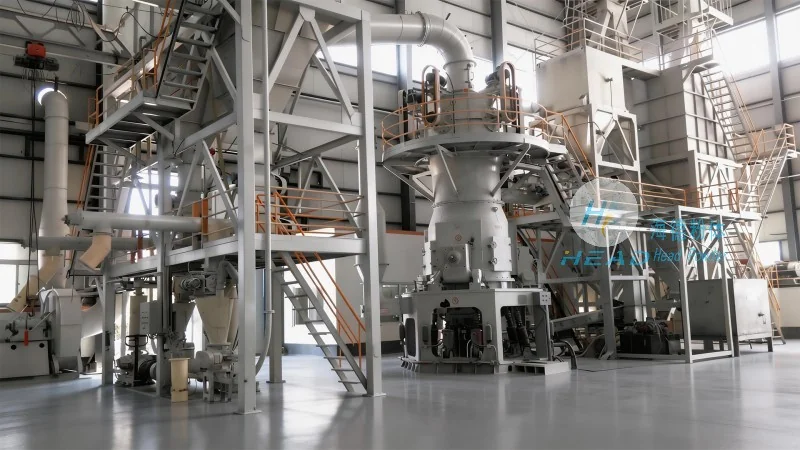
A sand pneumatic conveying system is a type of pneumatic conveying equipment designed to transport sand or similar granular materials through a pipeline using air or other gas as the conveying medium. This technology offers several advantages over traditional mechanical conveying methods, including reduced equipment wear, lower maintenance costs, and the ability to handle materials in a dust-free environment. The system typically consists of a hopper for material storage, a feeder to control the flow rate, a compressor to generate the conveying air, and a pipeline network that transports the material from the source to the destination. The entire system is designed to ensure efficient and continuous material transfer, minimizing downtime and maximizing productivity.
Structural Components of the Sand Pneumatic Conveying Line
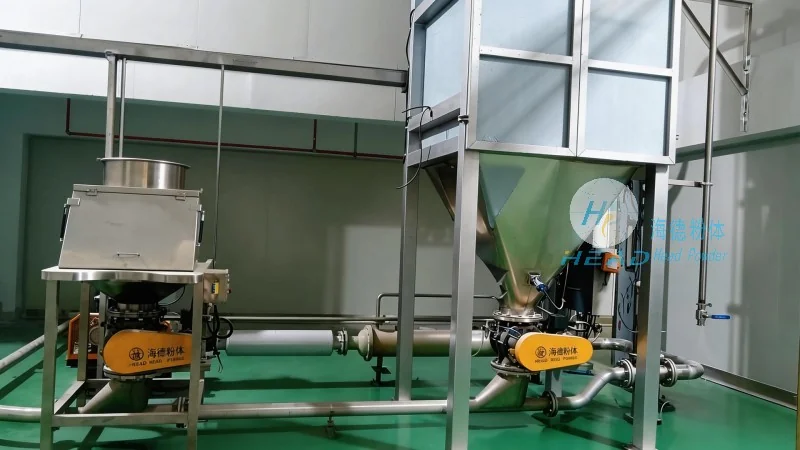
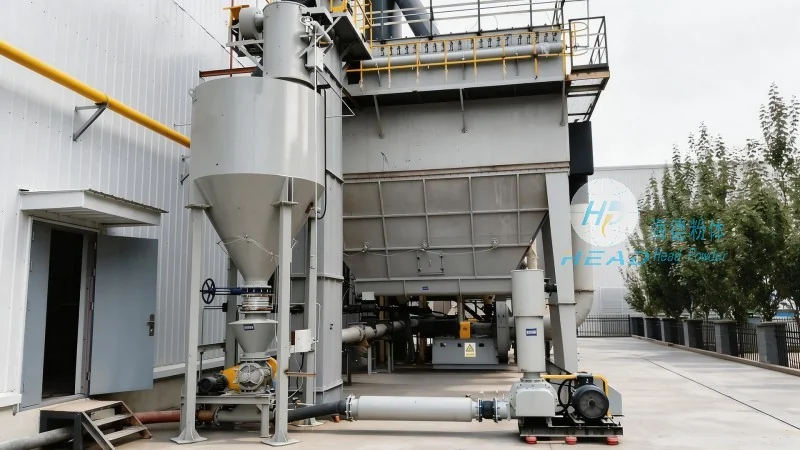
The sand pneumatic conveying line comprises several key components, each playing a critical role in the overall operation. The first component is the material hopper, which stores the sand and provides a controlled feed to the system. The hopper is equipped with a discharge valve or feeder that regulates the material flow, preventing overloading and ensuring consistent delivery to the next stage. The feeder, often a rotary valve or a screw feeder, ensures a steady flow of sand into the pipeline, maintaining system efficiency. The compressor is the heart of the system, generating the necessary air pressure to move the material through the pipeline. It is typically a positive displacement compressor, such as a rotary or reciprocating type, capable of delivering the required air volume and pressure. The pipeline network connects the hopper, feeder, and compressor, forming a closed loop that transports the sand from the source to the destination. The pipeline is usually made of stainless steel or other corrosion-resistant materials to withstand the abrasive nature of sand and prevent material buildup. Additionally, the system includes a filter and a silencer to remove dust from the air and reduce noise levels, respectively. The filter captures fine particles, preventing them from being released into the environment, while the silencer minimizes the noise generated by the compressor, ensuring a safe and comfortable working environment.
Working Principles of the Sand Pneumatic Conveying System
The operation of a sand pneumatic conveying system is based on the principle of fluidization and pneumatic transport. When air is introduced into the material hopper at a controlled rate, it creates a fluidized bed, where the sand particles are suspended and move freely. The feeder then draws the fluidized sand into the pipeline, where it is carried by the high-velocity air stream. The air pressure in the pipeline is maintained at a level sufficient to overcome the resistance of the pipeline and the weight of the sand, ensuring that the material is transported efficiently. The system operates in either a dilute-phase or dense-phase mode, depending on the material characteristics and the required conveying distance. In dilute-phase operation, the air velocity is high, and the material is carried as a fine suspension, suitable for short to medium distances. In dense-phase operation, the air velocity is lower, and the material is transported as a slurry, ideal for longer distances and more viscous materials. The system’s control system monitors parameters such as air pressure, material flow rate, and pipeline pressure, adjusting the operation as needed to maintain optimal performance. This ensures that the sand is conveyed safely and efficiently, minimizing the risk of blockages or system failures.
Advantages and Applications of Sand Pneumatic Conveying Systems
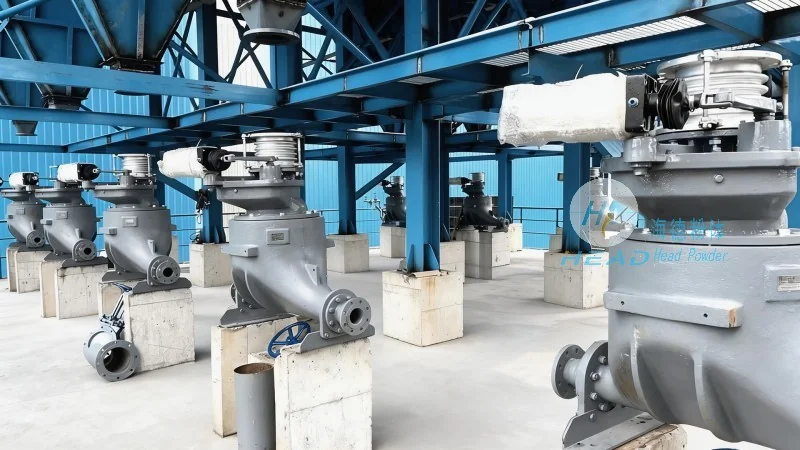
Sand pneumatic conveying systems offer several advantages over traditional mechanical conveying methods. These include reduced equipment wear, as the material is transported in a fluidized state rather than being crushed or abraded by mechanical components. This leads to lower maintenance costs and longer equipment life. Additionally, the system operates in a dust-free environment, which is beneficial for applications where dust control is critical, such as in food processing or pharmaceutical industries. The ability to handle abrasive materials like sand without causing damage to the equipment makes the system suitable for a wide range of industries, including construction, mining, and manufacturing. The system’s flexibility allows it to be adapted to various conveying distances and material types, making it a versatile solution for different operational needs. HeadPowder’s sand pneumatic conveying systems are designed to meet the specific requirements of each application, ensuring optimal performance and reliability.




