Shandong HeadPowder Engineering Co., Ltd. is a professional manufacturer and supplier based in Shandong, China, specializing in the design, development, and production of advanced air-driven conveying systems. The company focuses on providing efficient and reliable solutions for the transportation of various powders, including methylcellulose, a key product in many industrial applications.
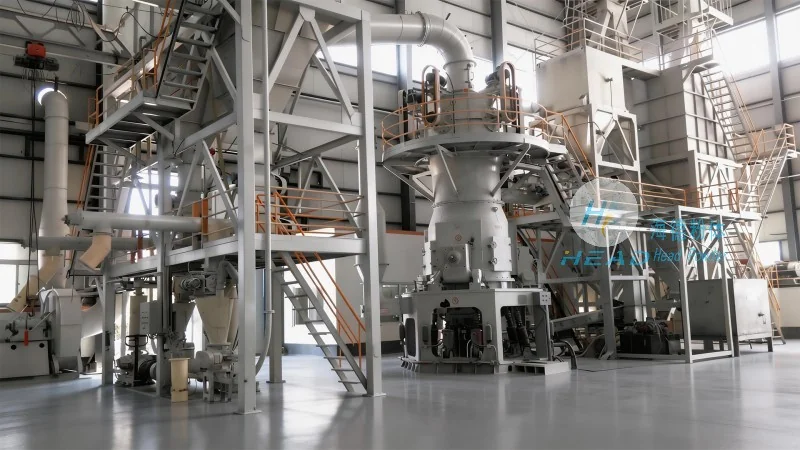
Overview of Air-Driven Methylcellulose Conveying Equipment
Air-driven conveying equipment, also known as pneumatic conveying systems, is a technology used to transport bulk materials like methylcellulose through a pipeline using compressed air. This method offers several advantages over traditional mechanical conveying, such as reduced maintenance, lower energy consumption, and the ability to handle materials that are difficult to transport by other means. The equipment typically consists of a hopper, a conveying line, and a receiver, with the entire system powered by a compressed air source.
Structural Principles of the Conveying System
The core structure of an air-driven methylcellulose conveying system includes several key components that work in tandem to ensure efficient material transport. The hopper is the initial storage unit where the methylcellulose is loaded. It is equipped with a feeder, which controls the flow rate of the material into the conveying line. The conveying line itself is a sealed pipe that carries the material and air mixture. At the receiving end, a receiver collects the material, while a filter and separator remove any excess air and fine particles from the system.
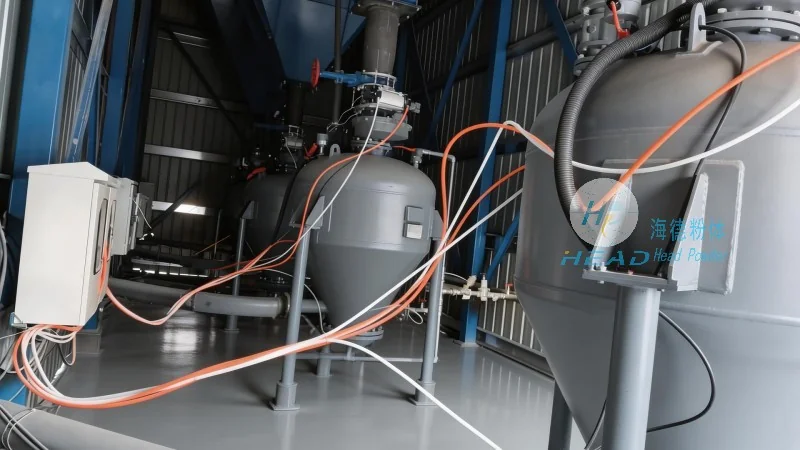
Key Technical Components and Their Functions
Several critical components contribute to the effective operation of the air-driven conveying system. The compressed air source provides the necessary pressure to move the material through the pipeline. The feeder, often a rotary valve or a screw feeder, regulates the material flow to maintain a consistent conveying rate. The conveying line is usually made of stainless steel or other corrosion-resistant materials to handle the chemical properties of methylcellulose. The receiver is designed to collect the material and may include a discharge valve for easy unloading. Additionally, a filter and separator are essential to maintain system efficiency by removing air and fine particles from the material stream.
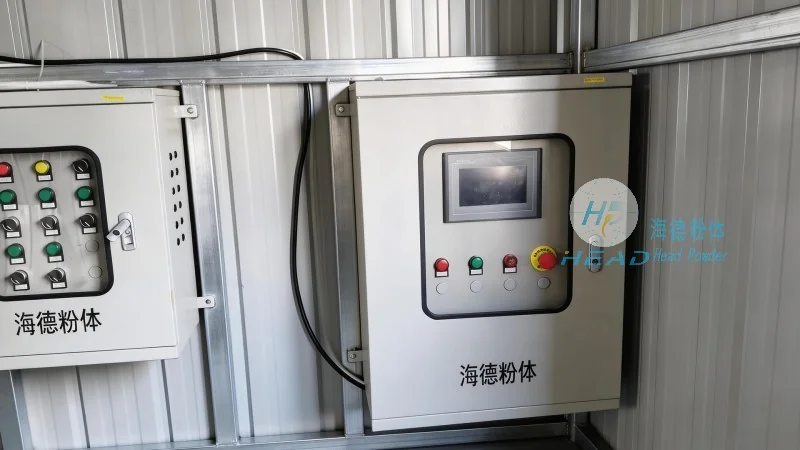
Advantages of Using Air-Driven Conveying for Methylcellulose
Implementing an air-driven conveying system for methylcellulose offers numerous benefits for industrial operations. First, it minimizes product contamination, as the system is fully enclosed, preventing exposure to external elements. Second, it reduces labor costs by automating the material handling process. Third, it improves safety by eliminating the need for manual handling of powders, which can be dusty and potentially hazardous. Fourth, the system is highly flexible, allowing for changes in material flow rates and line configurations as production needs evolve.
Application Scenarios and Operational Considerations
The air-driven methylcellulose conveying equipment is widely used in various industries, including pharmaceuticals, food processing, and chemical manufacturing. In these applications, the system is designed to handle the specific properties of methylcellulose, such as its fine particle size and hygroscopic nature. Operational considerations include maintaining proper air pressure, ensuring the system is free of blockages, and regularly cleaning the components to prevent material buildup. Proper maintenance is crucial to ensure the longevity and efficiency of the conveying system.




