PTFE (Polytetrafluoroethylene), commonly known as sodium hexafluorophosphate, is a high-performance material widely used in various industrial applications. The pneumatic conveying equipment designed for handling this material plays a crucial role in ensuring efficient and safe material transport. This article provides an in-depth look at the operation process and working principle of such equipment, highlighting the key components, operational steps, and technical aspects involved.
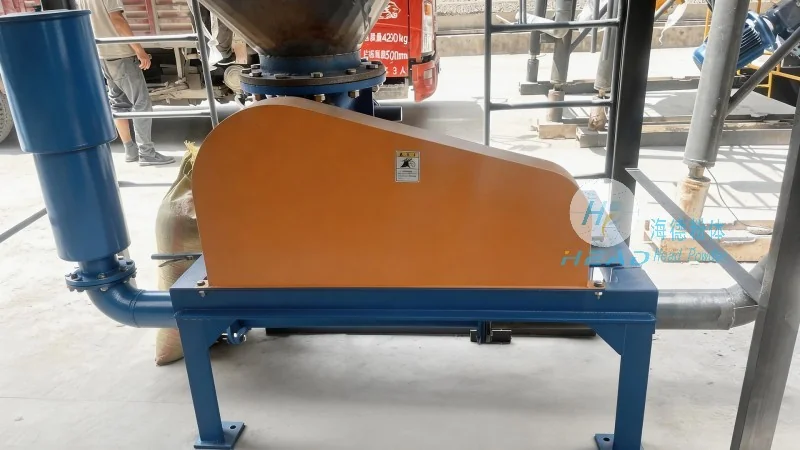
Overview of PTFE Material Pneumatic Conveying Equipment
Pneumatic conveying systems for PTFE material are engineered to handle fine powders or granules with precision. These systems are typically categorized into two main types: dilute-phase and dense-phase conveying. The choice of system depends on the material characteristics, such as particle size, moisture content, and flowability. For PTFE, which is often a fine powder, dilute-phase systems are commonly employed due to their ability to maintain low pressure and reduce material degradation.
Key Components of the Pneumatic Conveying System
The pneumatic conveying equipment for PTFE material consists of several critical components that work in tandem to achieve efficient material transport. These components include:
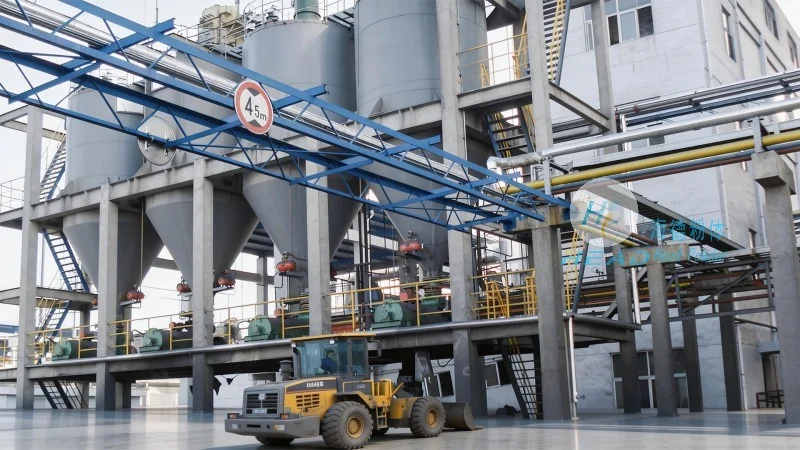
- Air Supply Unit: This component generates the necessary air pressure or vacuum to move the material. It may include a blower, compressor, or vacuum pump, depending on the system design.
- Material Hopper: The hopper is used to store the PTFE material before it is fed into the conveying line. It is designed to maintain a consistent material level and prevent clogging.
- Feeder: The feeder controls the flow rate of the PTFE material into the conveying line. It can be a rotary valve, screw feeder, or vibratory feeder, ensuring a steady and controlled feed.
- Conveying Line: The pipeline through which the air and material travel. It is usually made of materials resistant to PTFE, such as stainless steel or PTFE-coated tubing, to prevent material adhesion and corrosion.
- Separation and Collection Unit: This unit separates the material from the air at the receiving end. It may include a cyclone separator, filter, or baghouse to ensure the material is collected efficiently and the air is cleaned before release.
Operation Process of PTFE Material Pneumatic Conveying Equipment
The operation process of the PTFE material pneumatic conveying equipment involves several sequential steps, each critical to the overall efficiency and safety of the system. The process typically begins with the loading of the PTFE material into the hopper. Once the hopper is filled, the feeder starts to discharge the material at a controlled rate. Simultaneously, the air supply unit generates the required airflow, which is then introduced into the conveying line.
As the material is fed into the line, it is entrained by the air stream and carried through the pipeline to the receiving end. The air and material mixture travels at a velocity sufficient to keep the particles suspended, preventing them from settling or clogging the line. At the receiving end, the separation unit operates to separate the material from the air. The material is collected in a designated container, while the air is filtered and released, ensuring compliance with environmental regulations.
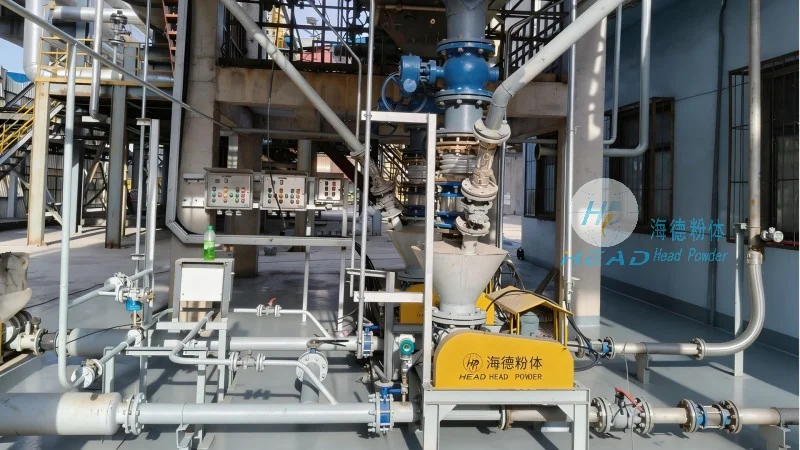
Working Principle of PTFE Material Pneumatic Conveying Equipment
The working principle of the pneumatic conveying system is based on the fundamental concept of fluidization and suspension of particles in a gas stream. When air is introduced into the conveying line at a sufficient velocity, it creates a turbulent flow that lifts the PTFE particles and keeps them suspended. This process is known as pneumatic transport. The key to efficient operation is maintaining the correct air velocity and pressure to ensure that the particles remain in suspension without excessive pressure drop or particle damage.
For PTFE material, which is often sensitive to high temperatures and mechanical stress, the system design must consider factors such as particle size distribution, moisture content, and flowability. The use of appropriate materials for the conveying line and components is essential to prevent material degradation and ensure long-term system performance. Additionally, the system must be equipped with safety features, such as pressure relief valves and overfill protection, to prevent accidents and ensure safe operation.
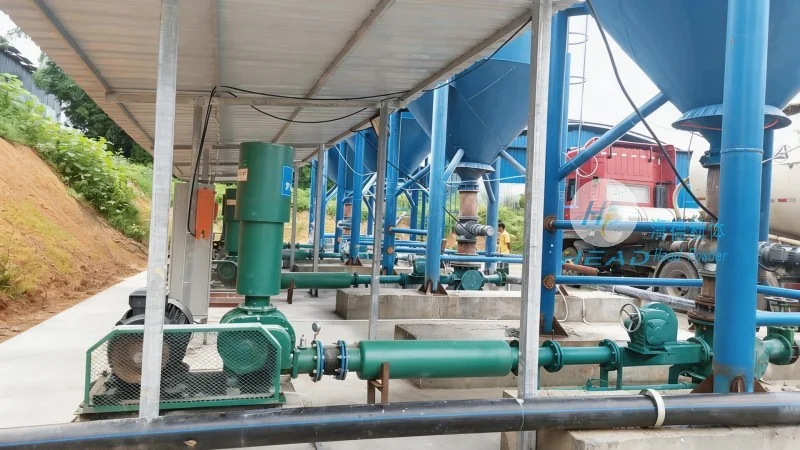
Company Information: Shandong HeadPowder Engineering Co., Ltd.
Shandong HeadPowder Engineering Co., Ltd., commonly known as headpowder, is a leading manufacturer of pneumatic conveying equipment for various industrial materials, including PTFE. With a strong focus on innovation and quality, the company has developed advanced solutions tailored to the specific needs of the PTFE industry. Headpowder's equipment is designed to meet the highest standards of efficiency, safety, and reliability, ensuring optimal performance in material handling applications.
Headpowder is committed to providing comprehensive solutions, from equipment design and manufacturing to installation and maintenance. The company's headquarters is located in Shandong, China, where it leverages its expertise and local resources to serve clients globally. With a team of experienced engineers and technicians, headpowder continues to advance the technology of pneumatic conveying systems, delivering solutions that enhance productivity and reduce operational costs for its clients.




