Continuous material pneumatic conveying lines are sophisticated systems designed to transport bulk materials efficiently over long distances or within industrial facilities. These systems utilize air or gas as the primary medium to move powders, granules, and other particulate materials from one location to another, offering advantages such as reduced labor costs, enhanced safety, and improved process control compared to traditional mechanical conveying methods.
Key Components and Their Roles
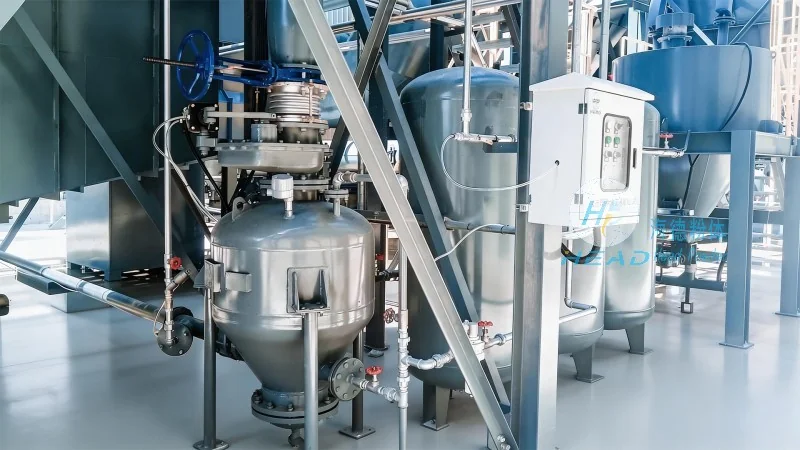
The operation of a continuous material pneumatic conveying line relies on several critical components that work in tandem to ensure smooth material transfer. The main components typically include a feeding device, a conveying line (often a pipeline), a pneumatic conveying system (which may involve positive or negative pressure systems), and a discharge unit. Each component plays a vital role in the overall functionality of the system.
The feeding device is responsible for introducing the material into the conveying line. This can be achieved through various mechanisms such as rotary valves, screw feeders, or vibratory feeders, depending on the material characteristics and the required flow rate. The choice of feeding device is crucial as it directly impacts the uniformity and consistency of material flow into the system.
The conveying line itself is usually made of metal or plastic, with the material being transported through a pipeline. The design of the pipeline, including its diameter, length, and bends, is carefully engineered to minimize pressure drop and ensure efficient material movement. In positive pressure systems, air is blown into the pipeline, creating a pressure higher than the ambient air, which propels the material forward. In contrast, negative pressure systems draw air out of the pipeline, creating a vacuum that pulls the material along.
The pneumatic conveying system, which may include a blower or a vacuum pump, generates the necessary airflow to move the material. The blower or pump provides the energy required to overcome friction losses and gravitational forces, ensuring that the material is transported at the desired velocity. The selection of the blower or pump is based on factors such as the material's density, particle size, and the required conveying distance.
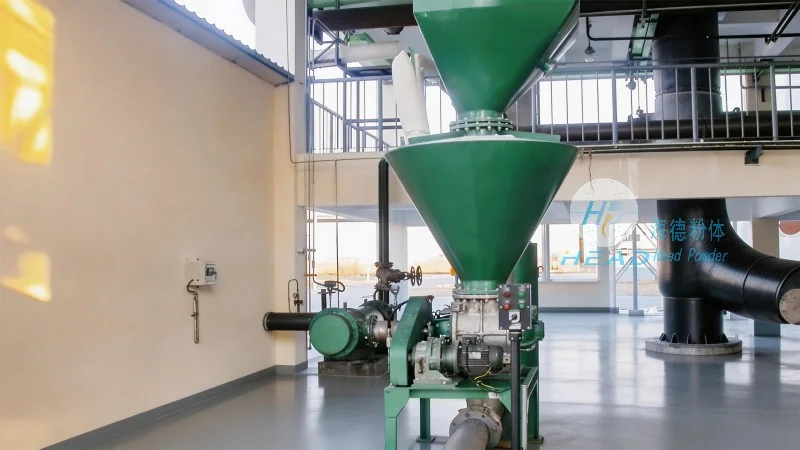
The discharge unit is responsible for releasing the material from the conveying line at the destination point. This can be a rotary valve, a hopper, or a storage silo, depending on the downstream process requirements. The discharge unit ensures that the material is released in a controlled manner, preventing spillage and maintaining process integrity.
Operation Process of Continuous Material Pneumatic Conveying Lines
The operation process of a continuous material pneumatic conveying line involves several sequential steps that ensure the smooth and efficient transfer of materials. The process typically begins with the material being fed into the system by the feeding device. The material then enters the conveying line, where it is carried by the airflow generated by the pneumatic conveying system.
As the material travels through the pipeline, it experiences various forces, including drag and lift forces, which are generated by the airflow. These forces help to keep the material suspended and moving forward. The pipeline may include bends or changes in direction, which are designed to minimize the impact on material flow and maintain the conveying efficiency.
Upon reaching the discharge point, the material is released from the conveying line by the discharge unit. The discharge unit may include a control mechanism to regulate the flow rate of the material, ensuring that it is delivered to the downstream process in a controlled manner. The entire process is typically automated, with sensors and control systems monitoring the flow rate, pressure, and other parameters to ensure optimal operation.
Working Principle of Continuous Material Pneumatic Conveying Lines
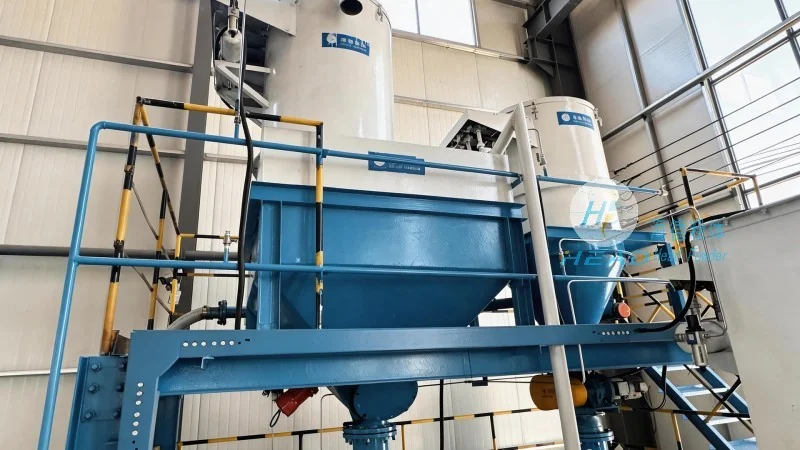
The working principle of a continuous material pneumatic conveying line is based on the fundamental principles of fluid dynamics and particle transport. The system operates by creating a pressure differential between the inlet and outlet of the conveying line, which drives the movement of the material.
In positive pressure systems, the blower or compressor increases the pressure inside the pipeline, causing the air to flow through the line and carry the material along. The material is suspended in the air stream, and the velocity of the air is sufficient to overcome the gravitational forces acting on the particles. The pressure drop along the pipeline is a key factor in determining the conveying capacity and efficiency of the system.
In negative pressure systems, a vacuum pump creates a low-pressure environment inside the pipeline, which draws air and material from the inlet and transports them to the discharge point. The vacuum is maintained by the pump, and the material is carried by the airflow generated by the pressure difference between the inlet and the discharge point.
The efficiency of the pneumatic conveying system is influenced by several factors, including the material's properties (such as density, particle size distribution, and moisture content), the conveying distance, and the design of the pipeline and components. Proper design and maintenance of the system are essential to ensure optimal performance and minimize energy consumption.
About Shandong HeadPowder Engineering Co., Ltd.
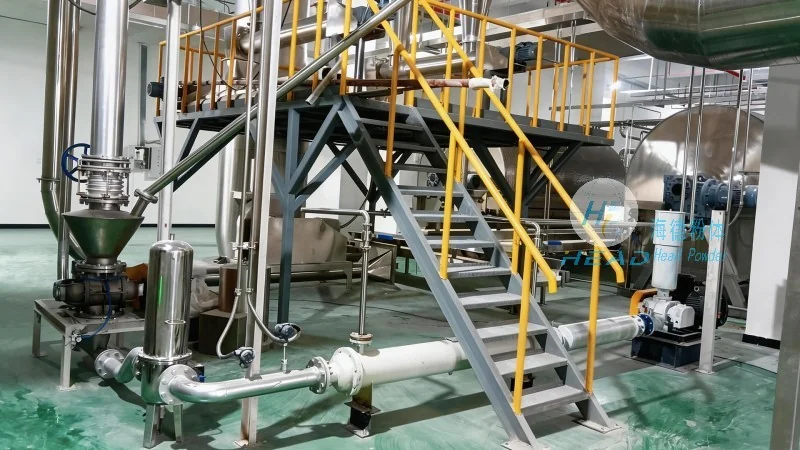
Shandong HeadPowder Engineering Co., Ltd., commonly known as headpowder, is a leading manufacturer and supplier of pneumatic conveying systems and related equipment. The company is headquartered in Shandong, China, and has established a strong reputation for providing high-quality, reliable, and efficient solutions for material handling applications.
Headpowder specializes in the design, manufacturing, and installation of continuous material pneumatic conveying lines tailored to the specific needs of various industries, including food, pharmaceuticals, chemicals, and minerals. The company's products are known for their durability, energy efficiency, and ease of maintenance, making them a preferred choice for many industrial applications.
The company's commitment to innovation and customer satisfaction has enabled it to develop advanced technologies and solutions that meet the evolving needs of the market. With a team of experienced engineers and technicians, headpowder provides comprehensive support, from initial consultation and system design to installation and after-sales service.
Headquartered in Shandong, China, headpowder serves clients both domestically and internationally, delivering solutions that enhance productivity and operational efficiency. The company's focus on quality and customer-centric approach has contributed to its growth and success in the competitive material handling industry.




