HeadPowder, a leading provider in the field of material handling solutions, specializes in the design, manufacturing, and implementation of advanced pneumatic conveying systems for transporting bulk materials. The company's headquarters is located in Shandong, China, where it leverages extensive industry experience to deliver high-efficiency, environmentally friendly solutions tailored to diverse industrial applications.
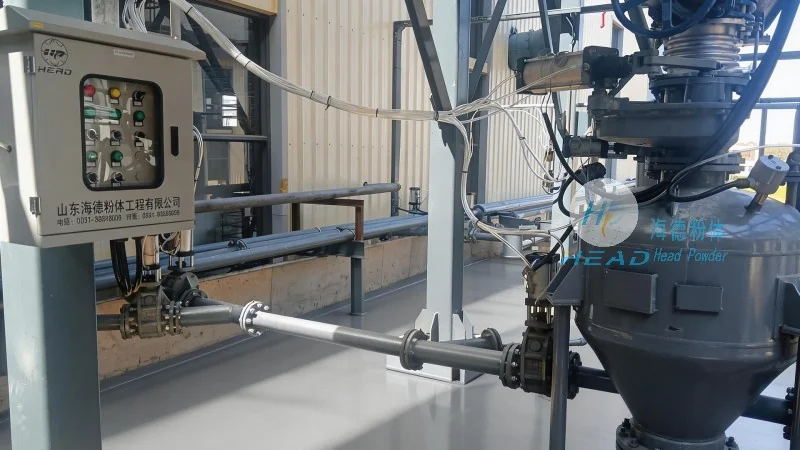
Overview of Pneumatic Conveying Systems
Pneumatic conveying systems are engineered to transport bulk materials such as powders, granules, and other particulate substances through a pipeline using compressed air or other gas. This method offers a clean, efficient, and flexible alternative to traditional mechanical conveying systems, minimizing the risk of product contamination and reducing operational costs associated with maintenance and downtime. The core components of a typical pneumatic conveying system include a material feed hopper, a conveyor line (composed of pipes and fittings), a pressure vessel or receiver, and a control system. These components work in tandem to ensure smooth material flow from the source to the destination, while maintaining optimal air pressure and flow rates.
Key Components and Their Functions
The effectiveness of a pneumatic conveying system hinges on the proper integration and operation of its key components. The material feed hopper is responsible for storing and feeding the bulk material into the system, ensuring a consistent supply to the conveyor line. The conveyor line, made from durable materials like stainless steel or special polymers, is designed to withstand the pressures and abrasion associated with material transport. Fittings and valves are strategically placed along the line to control air flow, regulate pressure, and direct material movement. The pressure vessel or receiver collects the conveyed material and allows for the separation of air and material, facilitating the discharge of the product at the destination. The control system, often equipped with sensors and automation technology, monitors critical parameters such as pressure, flow rate, and material level, ensuring the system operates within safe and efficient parameters.
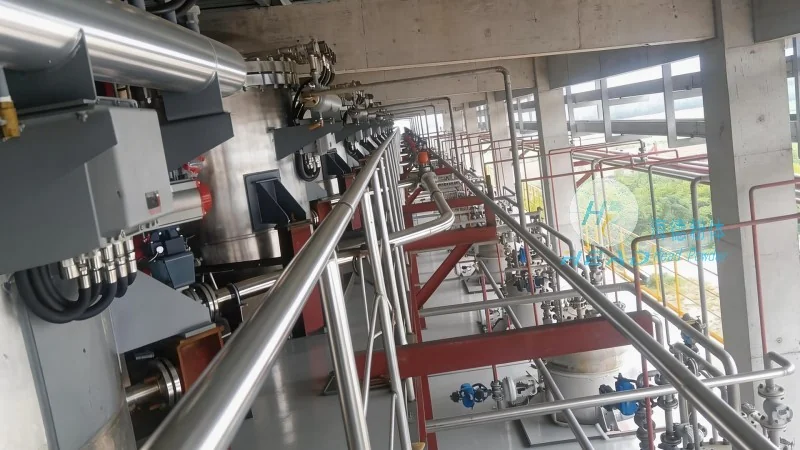
Operation Process of the System
The operation of an environmental material pneumatic conveying system typically follows a sequential process. First, the bulk material is loaded into the feed hopper. The system then activates the air compressor, which generates the necessary pressure to drive the material through the conveyor line. As compressed air is introduced, it creates a flow that entrains the material particles, carrying them along the pipeline. The material travels from the feed point to the discharge point, where the pressure is reduced, causing the material to separate from the air and be collected in the receiver. The system may include a cyclone separator or other filtration equipment to further separate any remaining air from the material, ensuring a clean discharge. Throughout the process, the control system continuously monitors and adjusts parameters to maintain optimal performance, preventing issues such as blockages or excessive pressure.
Working Principle: Air-Driven Conveyance
The fundamental working principle of pneumatic conveying systems is based on the physics of fluid dynamics and particle motion. When compressed air is introduced into the conveyor line, it creates a low-pressure zone that draws the material particles into the air stream. The air velocity is maintained at a level sufficient to overcome the gravitational force acting on the particles, as well as any frictional resistance within the pipeline. This process, known as "air-assisted" or "pressure" conveying, allows for the efficient transport of materials over long distances and varying elevations. The system can operate in either positive pressure or negative pressure modes, depending on the application and material characteristics. Positive pressure systems use compressed air to push the material forward, while negative pressure systems use suction to draw the material into the system. The choice of mode depends on factors such as material density, flow rate requirements, and the distance between the source and destination.
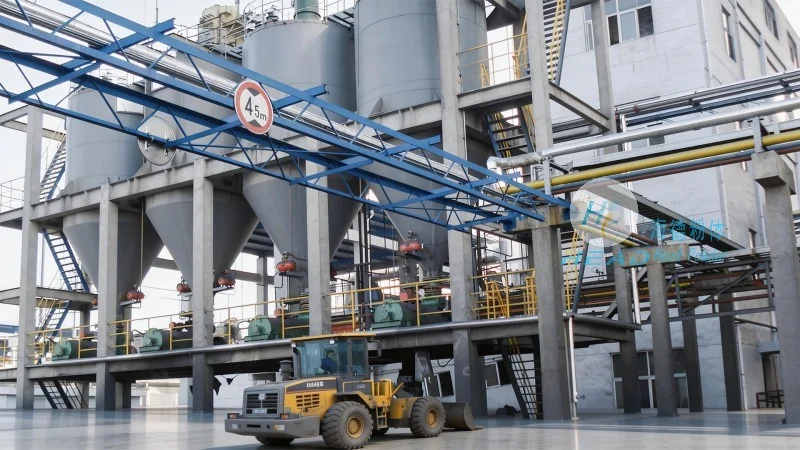
Environmental Benefits and Advantages
Environmental material pneumatic conveying systems are designed with sustainability in mind, offering several advantages over traditional conveying methods. Unlike mechanical systems that may generate dust and require frequent cleaning, pneumatic systems provide a closed-loop operation, minimizing the release of particulate matter into the environment. This reduces the risk of air pollution and improves workplace safety. Additionally, the use of compressed air as the driving force eliminates the need for heavy machinery or moving parts that can cause noise pollution or mechanical wear. The systems are also energy-efficient, as they can be optimized to use the minimum amount of air required for effective material transport, reducing operational costs and environmental impact. The closed system design also prevents material spillage and contamination, contributing to a cleaner and more hygienic working environment.
Applications and Customization
HeadPowder's pneumatic conveying systems are versatile and can be customized to meet the specific needs of various industries, including food processing, pharmaceuticals, chemicals, and mining. The systems are designed to handle a wide range of materials, from fine powders to coarse granules, and can be adapted for applications requiring high purity, low contamination, or high flow rates. The company's engineering team works closely with clients to assess their operational requirements, material characteristics, and environmental constraints, developing tailored solutions that maximize efficiency and minimize downtime. Whether for short-distance transport within a facility or long-distance transfer between sites, the systems are built to withstand the demands of industrial environments while maintaining reliability and performance.




