Barium carbonate powder conveying machines are essential equipment in industrial processes, particularly for handling and transporting barium carbonate powders efficiently. These machines are designed to ensure smooth material flow, maintain product integrity, and enhance operational safety. The following content provides a detailed overview of the operation process and working principles of such machines, along with key aspects of their design and functionality.
Key Components and Design Features
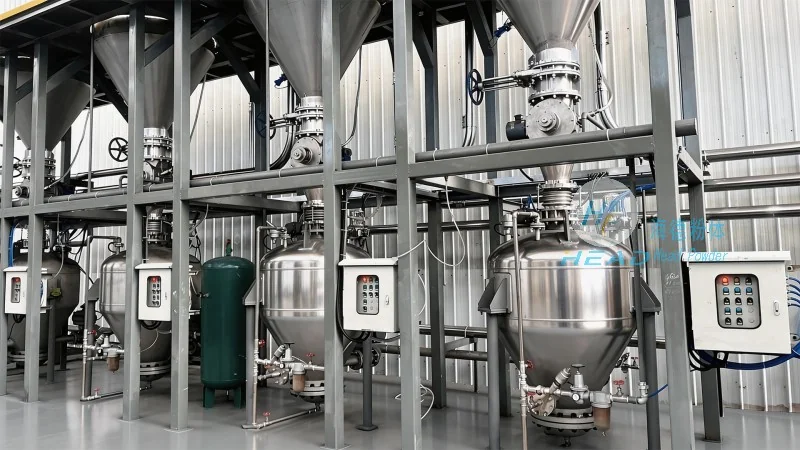
Barium carbonate powder conveying machines typically consist of several critical components that work in tandem to achieve effective material handling. The main components include a hopper for material storage, a conveyor system (such as screw or pneumatic conveyors), a control panel for operation, and a discharge mechanism. The design of these machines is tailored to handle the specific properties of barium carbonate, including its particle size, density, and flow characteristics. For instance, the hopper is often equipped with a feeding device to prevent material bridging or caking, which can occur with fine powders like barium carbonate. The conveyor system is chosen based on the required throughput and the distance over which the material needs to be transported. Screw conveyors are commonly used for horizontal or slightly inclined transport, while pneumatic conveyors are suitable for vertical or long-distance transport. The control panel allows operators to adjust parameters such as speed, pressure, and flow rate, ensuring optimal performance under varying conditions.
Operation Process of Barium Carbonate Powder Conveying Machines
The operation process of a barium carbonate powder conveying machine involves several sequential steps that ensure the smooth and continuous transport of the material. First, the barium carbonate powder is fed into the hopper from a storage silo or container. The feeding mechanism, which may be a rotary valve or a screw feeder, regulates the flow of material into the conveyor system. Once the material is in the hopper, it is transferred to the conveyor via the feeding device. The conveyor then moves the powder through the system, either by mechanical means (e.g., rotating screws) or by pneumatic pressure (e.g., air flow). The speed of the conveyor is controlled to maintain a consistent flow rate, preventing overloading or underloading. As the material moves through the conveyor, it may pass through a series of sections, such as a mixing zone or a screening area, to ensure uniformity and remove any impurities. The discharge mechanism at the end of the conveyor then releases the barium carbonate powder into the target container or processing unit. Throughout the operation, the control panel monitors key parameters such as pressure, temperature, and flow rate, providing real-time feedback to the operator. This allows for immediate adjustments if any deviations are detected, ensuring the process runs smoothly and efficiently.
Working Principle of Barium Carbonate Powder Conveying Machines
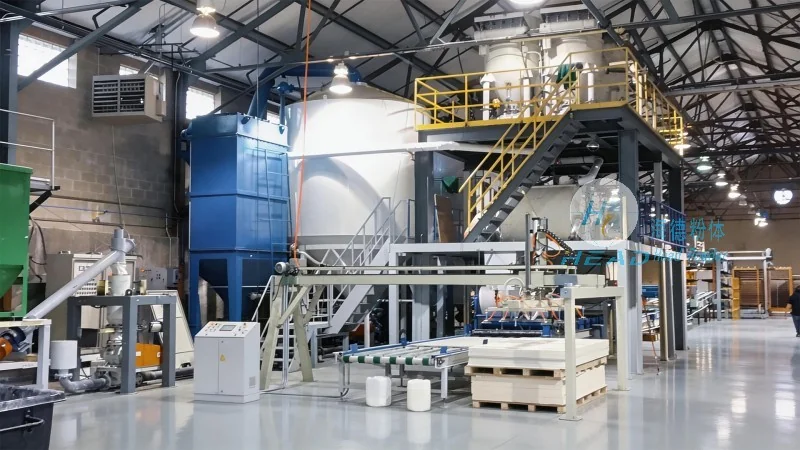
The working principle of barium carbonate powder conveying machines is based on the principles of fluidization and mechanical transport. For pneumatic conveyors, the machine uses compressed air to create a flow of air and powder mixture, which transports the material through the system. The air pressure is carefully controlled to maintain a stable flow, preventing the powder from settling or clogging the lines. The screw conveyor operates on the principle of mechanical displacement, where rotating screws push the material forward. The pitch and speed of the screws are optimized to handle the specific characteristics of barium carbonate, ensuring minimal friction and wear. The combination of these principles allows the machine to handle barium carbonate powders effectively, even in challenging conditions such as high moisture content or abrasive particles. The design of the conveying system also considers the need to prevent dust generation and ensure environmental compliance. For example, the machine may be equipped with dust collection systems or sealed components to minimize the release of fine particles into the air. This not only improves safety for operators but also helps in maintaining a clean working environment.
Advantages and Applications
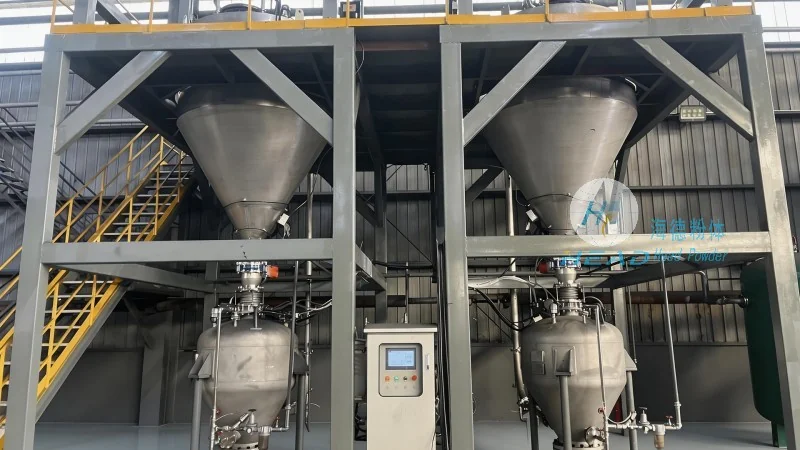
Barium carbonate powder conveying machines offer several advantages in industrial applications, making them a preferred choice for handling barium carbonate powders. One of the key advantages is their ability to handle fine powders without clogging or bridging, which is crucial for maintaining consistent product quality. The machines are also designed for high throughput, allowing for efficient material transport even in large-scale operations. Additionally, the control systems provide precise regulation of flow rates, ensuring that the material is delivered to the processing unit at the required rate. These machines are widely used in various industries, including chemical manufacturing, pharmaceuticals, and food processing. In the chemical industry, they are used to transport barium carbonate for the production of other chemicals or as a raw material in manufacturing processes. In pharmaceutical applications, the machines ensure that the barium carbonate is handled hygienically and efficiently, meeting the stringent quality standards required for drug production. The food industry also utilizes these machines for transporting barium carbonate in food additives or supplements, where purity and consistency are paramount.
Maintenance and Safety Considerations
Maintaining the proper operation of barium carbonate powder conveying machines is essential to ensure their longevity and performance. Regular maintenance tasks include cleaning the hopper and conveyor system to prevent material buildup, inspecting the feeding mechanism for wear and tear, and checking the control panel for any malfunctions. The machine should be cleaned regularly to remove any residual barium carbonate, which can cause clogging or affect the flow characteristics. The conveyor components, such as screws or belts, should be inspected for signs of wear and replaced if necessary to prevent breakdowns. Safety is a critical aspect of operating these machines, as barium carbonate powders can be hazardous if inhaled or if they come into contact with skin. The machines are typically equipped with safety features such as dust extraction systems and emergency stop buttons. Operators should follow proper safety protocols, including wearing protective equipment like respirators and gloves, and conducting regular safety training. Additionally, the machine should be inspected for any leaks or pressure issues, as these can pose a risk of explosion or injury. By adhering to proper maintenance and safety practices, the barium carbonate powder conveying machine can operate efficiently and safely for extended periods.




