HeadPowder, a leading manufacturer based in Shandong, China, specializes in the design, production, and installation of advanced powdered milk pneumatic conveying systems. These systems are engineered to efficiently transport bulk powdered milk from storage silos to processing lines, ensuring minimal product degradation and optimal operational efficiency.
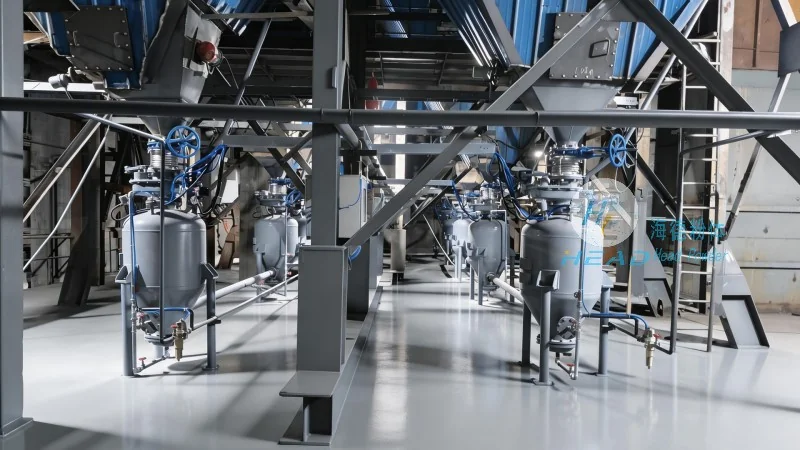
Overview of the Powdered Milk Pneumatic Conveying System
The powdered milk pneumatic conveying system is a critical piece of equipment in dairy processing facilities. It operates by using compressed air to move powdered milk through a network of pipes and components. This method offers several advantages over traditional mechanical conveying, including reduced product contamination, lower maintenance requirements, and the ability to handle sensitive materials like powdered milk without causing agglomeration or degradation.
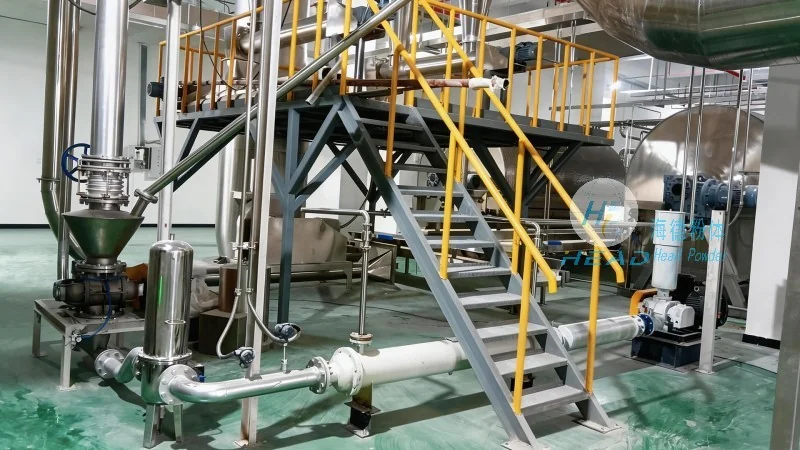
Key Components and Their Functions
The system consists of several essential components, each playing a vital role in the overall operation. These include the inlet hopper, where powdered milk is loaded; the air compressor, which generates the necessary pressure for conveying; the filter system, to ensure clean air and prevent dust contamination; the conveying line, which transports the milk; and the outlet silo or processing unit, where the milk is deposited.
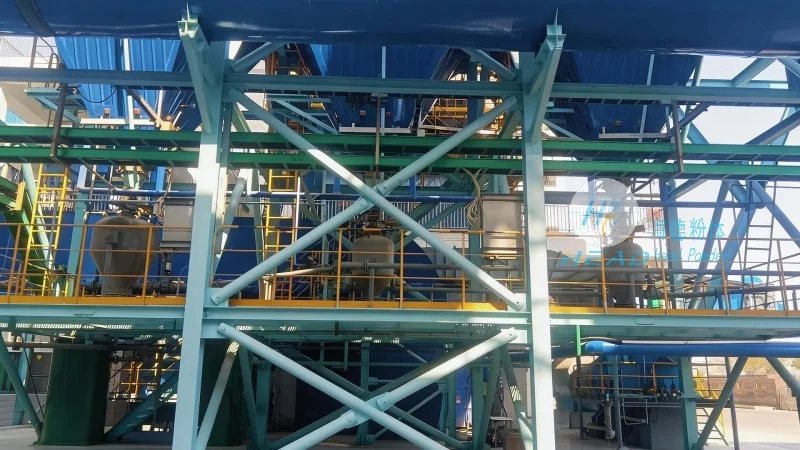
Working Principle Explained
The working principle of the pneumatic conveying system is based on the creation of a pressure differential. When the air compressor is activated, it forces compressed air into the conveying line. This air then draws the powdered milk from the inlet hopper, creating a slurry of air and milk particles. The mixture travels through the pipes under pressure, reaching the outlet where the air is released and the milk is deposited. The filter system is crucial here, as it removes any particulate matter from the air before it is recirculated or vented.
Step-by-Step Operation Process
The operation process of the system can be broken down into several key steps. First, the powdered milk is fed into the inlet hopper from the storage silo. The system then starts the air compressor, which increases the pressure in the conveying line. As the pressure builds, the air draws the milk particles into the line, forming a consistent flow. The mixture travels through the pipes, passing through any necessary valves or control mechanisms. At the outlet, the air is separated from the milk, often using a cyclone or other separation device, and the milk is collected in the target silo or processing equipment. The air is then filtered and either returned to the system or vented to the atmosphere.
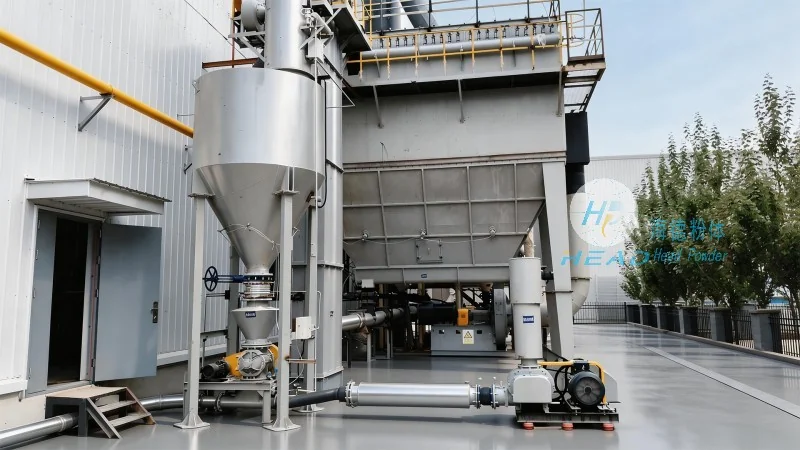
Advantages and Benefits
Implementing a pneumatic conveying system for powdered milk offers numerous benefits. These include improved product quality by minimizing exposure to oxygen and moisture, reduced labor costs due to automated operation, and increased efficiency in material handling. The system also allows for flexible layout designs, as the pipes can be installed in various configurations to suit the facility's layout. Additionally, the low maintenance requirements and long service life of these systems contribute to overall cost savings for dairy processing plants.




