Understanding the operation process and working principle of cement clinker pneumatic conveying machines is crucial for optimizing material handling in cement production facilities. These machines are essential for efficiently transporting clinker, a key raw material in cement manufacturing, from storage silos or production lines to processing units. The technology behind pneumatic conveying ensures a reliable, dust-free, and energy-efficient method of material transport, which is vital for maintaining production efficiency and product quality.
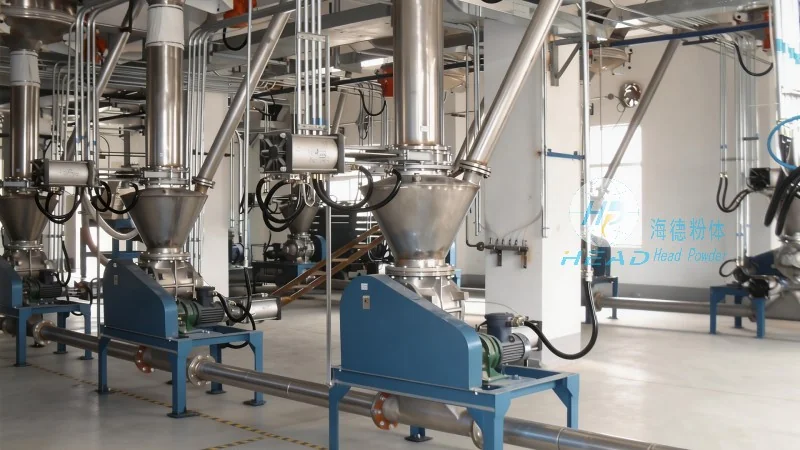
Company Profile: Shandong HeadPowder Engineering Co., Ltd.
Shandong HeadPowder Engineering Co., Ltd., commonly known as headpowder, is a leading manufacturer specializing in industrial material handling equipment. With a strong presence in China, particularly in Shandong province, the company has established itself as a trusted provider of high-quality pneumatic conveying systems. HeadPowder's commitment to innovation and customer satisfaction has enabled it to deliver tailored solutions that meet the specific needs of cement and other industrial sectors.
Key Components and Their Roles in the Pneumatic Conveying System
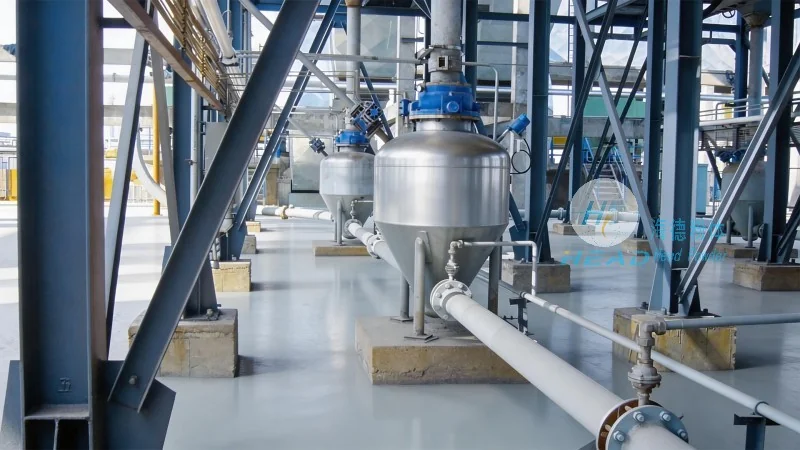
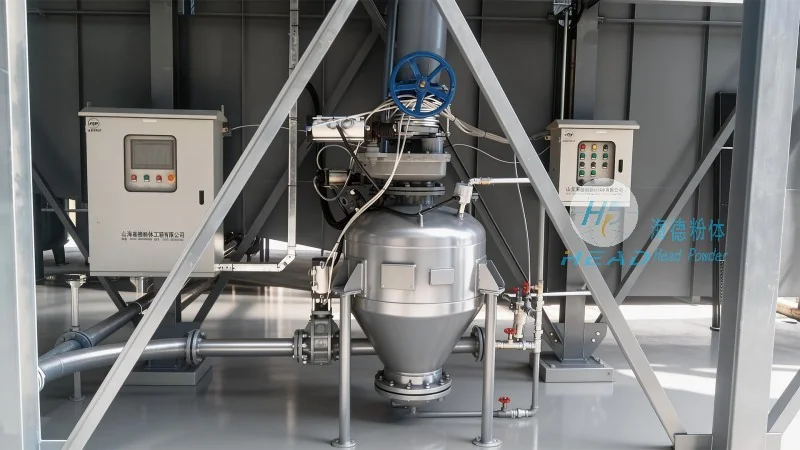
The cement clinker pneumatic conveying machine consists of several critical components that work in harmony to achieve efficient material transport. These components include the hopper, which serves as the material inlet and storage container; the rotary valve, which regulates the flow of clinker into the conveying line; the air compressor or blower, which generates the necessary air pressure to move the material; the conveying pipeline, which transports the material from the inlet to the outlet; and the receiver, which collects the material at the destination. Each component plays a vital role in ensuring the smooth and continuous operation of the system.
Operation Process of the Cement Clinker Pneumatic Conveying Machine
The operation process of the cement clinker pneumatic conveying machine begins with the loading of clinker into the hopper. The rotary valve then controls the discharge of clinker into the conveying line, ensuring a controlled flow rate. The air compressor or blower generates a high-pressure air stream, which is introduced into the pipeline. As the air flows through the pipeline, it creates a vacuum or pressure differential that propels the clinker particles forward. The clinker is carried along the pipeline by the air stream, and the receiver at the end of the line collects the material. The system operates continuously, with the air compressor maintaining the required pressure to sustain the conveying process. The entire process is automated, with sensors and controls monitoring the flow rate and pressure to ensure optimal performance.
Working Principle of the Pneumatic Conveying System
The working principle of the cement clinker pneumatic conveying machine is based on the principles of fluid dynamics and particle transport. The system utilizes air as the conveying medium, which is either under pressure (positive pressure system) or vacuum (negative pressure system). In a positive pressure system, the air compressor supplies compressed air to the pipeline, creating a pressure higher than the ambient air pressure. This pressure difference forces the clinker particles to move along the pipeline. In a negative pressure system, the blower creates a vacuum in the pipeline, drawing the clinker particles into the line. The clinker particles are suspended in the air stream and transported to the destination. The efficiency of the system depends on factors such as the air velocity, particle size, and the length of the conveying line. Proper design and maintenance of the system are essential to ensure high conveying efficiency and minimal material loss.
Advantages of Using Cement Clinker Pneumatic Conveying Machines
Implementing cement clinker pneumatic conveying machines offers several advantages over traditional material handling methods. Firstly, the system provides a dust-free and clean environment, which is crucial for maintaining product quality and worker safety. Unlike belt conveyors or bucket elevators, pneumatic conveying eliminates the risk of dust contamination, which can affect the final cement product. Secondly, the system is highly flexible and can be easily integrated into existing production lines. The conveying line can be adjusted in length and direction to suit the layout of the facility. Thirdly, the system is energy-efficient, as it uses less power compared to other conveying methods. The air compressor or blower consumes less energy than motors for mechanical conveyors. Additionally, the system is compact and requires less floor space, making it suitable for facilities with limited space. Finally, the system offers high conveying capacity, allowing for the transport of large quantities of clinker in a short period. This improves production throughput and reduces downtime.
Applications and Industries Served by Cement Clinker Pneumatic Conveying Machines
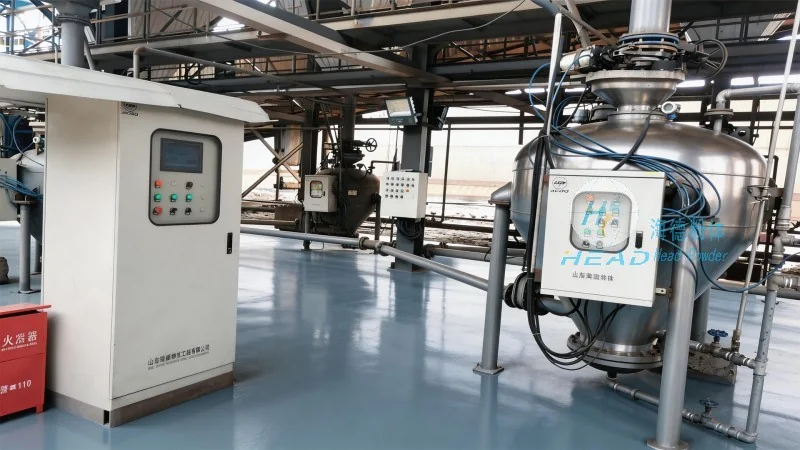
Cement clinker pneumatic conveying machines are widely used in the cement industry for transporting clinker from storage silos to cement mills or other processing units. The system is also applicable in other industries, such as chemical, pharmaceutical, and food processing, where the transport of powders and granules is required. The versatility of the system makes it suitable for various applications, including bulk material handling, product transfer, and process integration. HeadPowder's pneumatic conveying systems are designed to meet the specific requirements of different industries, ensuring reliable and efficient material transport.
Maintenance and Troubleshooting for Cement Clinker Pneumatic Conveying Machines
Regular maintenance is essential to ensure the optimal performance and longevity of cement clinker pneumatic conveying machines. The system components, such as the air compressor, rotary valve, and conveying pipeline, require periodic inspection and cleaning. The air compressor should be checked for proper lubrication and air filter maintenance to prevent dust accumulation. The rotary valve should be inspected for wear and tear, and the seals should be replaced if necessary. The conveying pipeline should be checked for any blockages or leaks, which can affect the conveying efficiency. Troubleshooting common issues, such as low conveying capacity or air leaks, is crucial to maintain the system's performance. HeadPowder provides comprehensive maintenance services and technical support to ensure that the machines operate at their best. Regular maintenance not only improves the efficiency of the system but also reduces the risk of breakdowns and costly repairs.




