Monosodium glutamate (MSG), a widely used flavor enhancer in the food industry, requires efficient and reliable handling solutions for its transportation. The pneumatic conveying machine, specifically designed for MSG, plays a crucial role in ensuring safe and effective material transfer. This article explores the operation process and working principle of such equipment, highlighting its importance in industrial applications.
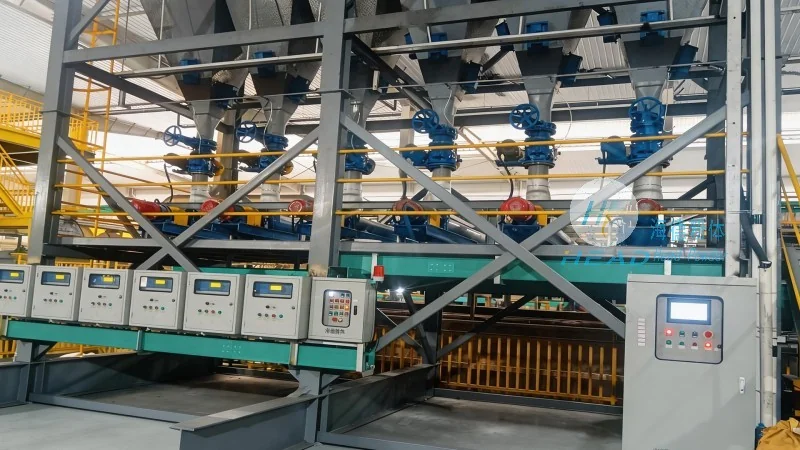
Key Components of the Pneumatic Conveying Machine
The monosodium glutamate pneumatic conveying machine consists of several essential components that work in tandem to facilitate material transport. These include the hopper for material storage, the air compressor to generate the necessary airflow, the conveying pipeline, and the discharge valve. Each component is carefully engineered to handle the specific characteristics of MSG, such as its fine particle size and hygroscopic nature.
Working Principle of the Pneumatic Conveying Process
The operation of the monosodium glutamate pneumatic conveying machine is based on the principle of pneumatic transport, where materials are moved through a pipeline using compressed air. The process begins with the material being fed from the hopper into the conveying line. Simultaneously, the air compressor generates high-pressure air that is introduced into the pipeline. As the air flows through the line, it creates a low-pressure zone that draws the MSG particles along with it. The combination of air velocity and particle size ensures that the material is transported efficiently without causing blockages or degradation.
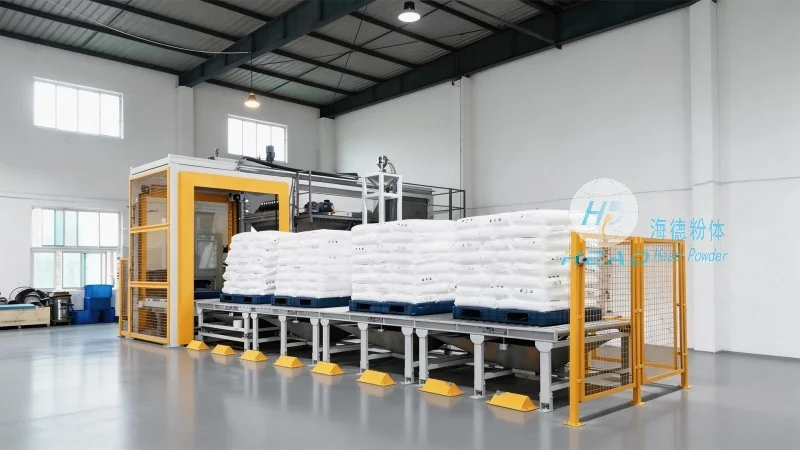
Operation Process: Step-by-Step Guide
The operation of the monosodium glutamate pneumatic conveying machine follows a systematic process to ensure optimal performance. First, the hopper is filled with the required amount of MSG. The air compressor is then activated to start the airflow. Next, the material is released from the hopper into the conveying line, where it is carried by the air stream to the discharge point. The system is equipped with sensors and controls to monitor the airflow and material flow rates, allowing for real-time adjustments to maintain consistent operation. Finally, the discharged MSG is collected in the receiving container, completing the transport cycle.
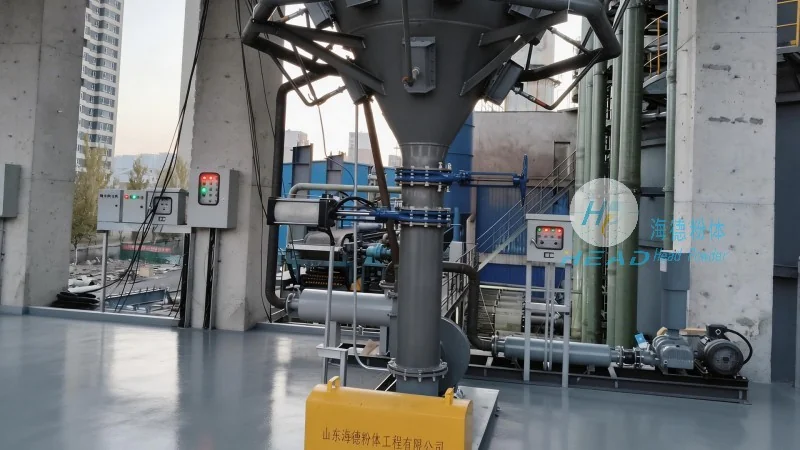
Advantages of Using Pneumatic Conveying for MSG
Employing a pneumatic conveying machine for monosodium glutamate offers several advantages over traditional methods like belt conveyors or bucket elevators. These include reduced risk of contamination due to enclosed systems, lower maintenance requirements, and the ability to handle fine powders without clogging. Additionally, the system is energy-efficient and can be easily integrated into existing production lines, making it a preferred choice for food processing facilities.
Company Information: Shandong HeadPowder Engineering Co., Ltd.
For industrial solutions tailored to the needs of the food industry, Shandong HeadPowder Engineering Co., Ltd. provides high-quality pneumatic conveying equipment. With a focus on innovation and reliability, the company has established itself as a leading manufacturer in the field. Headquartered in Shandong, China, the company offers comprehensive services, including design, manufacturing, and installation of custom pneumatic conveying systems for various applications, including the handling of monosodium glutamate.




