Carbide dust gas-solid pneumatic conveying machines are specialized equipment designed for the efficient handling and transportation of dust generated from carbide production processes. These machines play a crucial role in maintaining clean and safe working environments by effectively capturing and transporting fine dust particles, ensuring compliance with industrial safety and environmental regulations.
Overview of the Operation Process
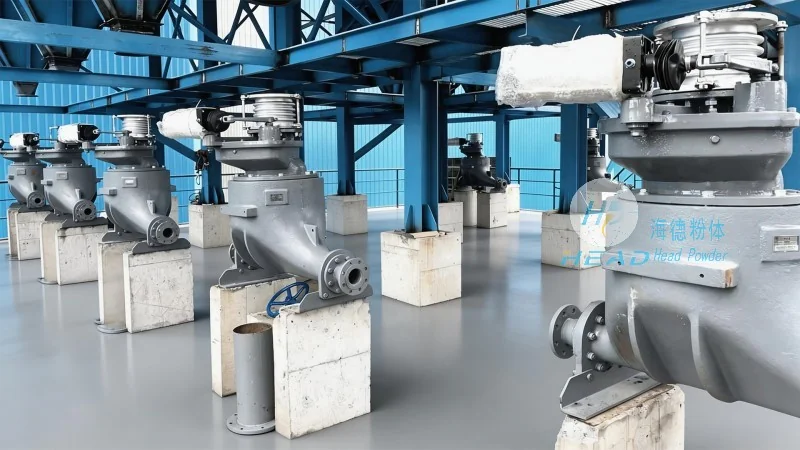
The operation of a carbide dust gas-solid pneumatic conveying machine typically involves several key steps. The process begins with the collection of dust from the production line, which is then fed into the conveying system. A high-pressure air or gas stream is generated, which propels the dust particles through a network of pipes and ducts to the designated discharge point. This system ensures that the dust is transported without the need for mechanical components like belts or buckets, reducing maintenance requirements and operational costs.
Working Principle of the Equipment
The core working principle of a carbide dust gas-solid pneumatic conveying machine relies on the principles of fluid dynamics and particle transport. The machine uses a pressure differential to move the dust particles. In a positive pressure system, compressed air is introduced into the conveying line, creating a pressure higher than the ambient air, which forces the dust particles to move along the pipe. In a negative pressure system, the air is drawn out, creating a vacuum that pulls the dust particles into the line. The design of the machine, including the selection of appropriate air velocities and pipe diameters, is critical to ensure efficient and reliable dust transport without causing particle degradation or system blockages.
Key Components and Their Functions
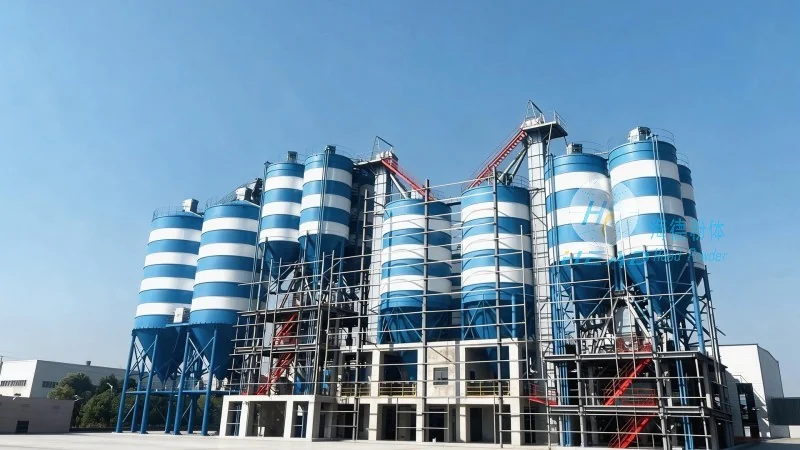
Several key components make up a carbide dust gas-solid pneumatic conveying machine, each serving a specific function to ensure optimal performance. The dust collection hopper is the initial component where dust is gathered from the production environment. The feeder mechanism, often a rotary valve or a screw feeder, controls the flow rate of the dust into the conveying line, preventing overloading and ensuring a consistent feed. The air compressor or blower provides the necessary pressure or vacuum to drive the dust particles. The conveying pipes, typically made of corrosion-resistant materials like stainless steel or plastic, are designed to withstand the abrasive nature of carbide dust. The discharge unit, such as a rotary valve or a dust collector, collects the transported dust at the end of the line. Each component works in tandem to ensure the smooth and efficient operation of the system.
Advantages of Using Gas-Solid Pneumatic Conveying for Carbide Dust
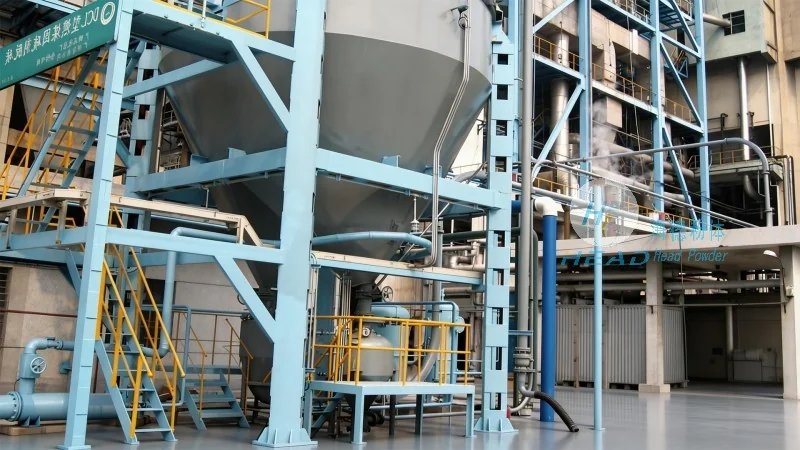
Employing a gas-solid pneumatic conveying system for carbide dust offers several advantages over traditional mechanical conveying methods. First, it eliminates the need for moving parts that can wear out or break, reducing maintenance and downtime. Second, it provides a more hygienic and cleaner operation, as the dust is contained within the system, preventing dust dispersion into the workplace. Third, the system can handle a wide range of particle sizes and moisture contents, making it versatile for different carbide production processes. Additionally, the ability to transport dust over long distances without the need for intermediate storage or handling points simplifies the overall production workflow.
Company Introduction: Shandong HeadPowder Engineering Co., Ltd.
Shandong HeadPowder Engineering Co., Ltd., commonly known as headpowder, is a leading manufacturer and supplier of industrial conveying equipment, including carbide dust gas-solid pneumatic conveying machines. With a strong focus on innovation and quality, the company has established itself as a trusted partner in the chemical and industrial sectors. HeadPowder's products are designed to meet the specific needs of clients, ensuring high efficiency, reliability, and durability. The company's headquarters is located in Shandong, China, where it operates a state-of-the-art manufacturing facility equipped with advanced technology and skilled personnel. HeadPowder is committed to providing customized solutions that enhance operational efficiency and safety for its clients, contributing to the sustainable development of the industrial sector.




