Yellow earth material pneumatic conveying machines are critical equipment in industrial and construction settings, designed to efficiently transport loose, dry materials like yellow earth. These systems utilize air as the primary medium to move materials through pipelines, offering a flexible and effective solution for material handling challenges. The technology behind these machines combines principles of fluidization, air dynamics, and mechanical engineering to ensure reliable operation and material transport.
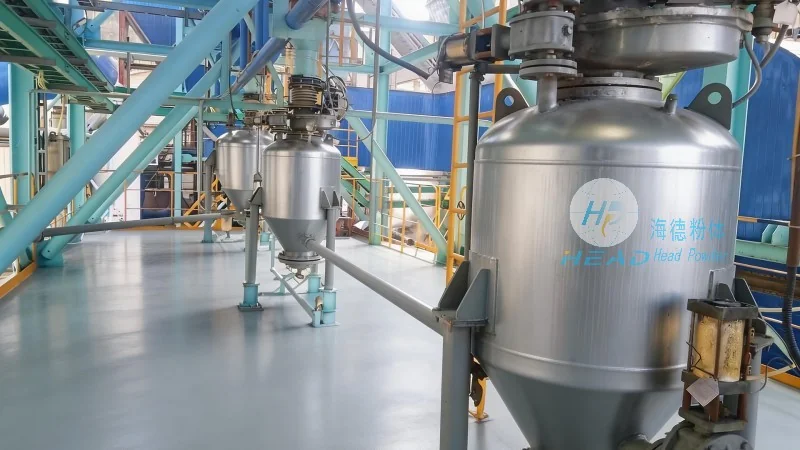
Core Principles of Pneumatic Conveying for Yellow Earth Materials
The fundamental principle of pneumatic conveying is the use of pressurized or vacuum air to suspend and transport bulk materials. For yellow earth, which typically consists of fine to medium-grained soil, the system must accommodate its specific properties such as particle size distribution, moisture content, and flowability. The process involves creating an air flow within a pipeline where the material is entrained and carried along with the air stream. This relies on balancing air velocity with the material's terminal velocity, ensuring particles remain suspended without settling or causing clogs.
Key Components and Their Functions in Yellow Earth Pneumatic Conveying Systems
Yellow earth pneumatic conveying machines consist of several essential components that work in unison. The primary components include the air compressor or vacuum pump (generating pressure/vacuum), the material feeder (introducing yellow earth into the system), the conveying line (transporting material), and the discharge device (releasing material at the destination). Each component is tailored to handle yellow earth's characteristics: the feeder ensures consistent flow rates, the conveying line (often made of stainless steel or high-density polyethylene) resists abrasion and corrosion, and the discharge device prevents material loss or blockage.
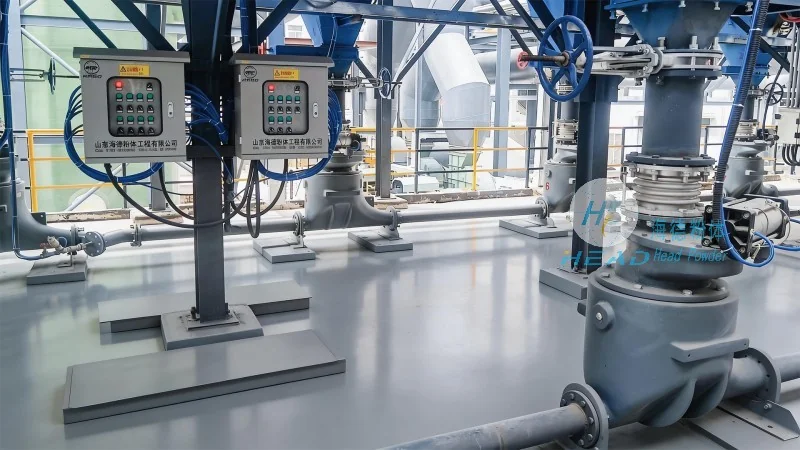
Working Scene Characteristics and Applications
Yellow earth pneumatic conveying machines are widely applied in diverse scenarios. In construction sites, they transport yellow earth from stockpiles to mixing stations or disposal areas, reducing manual labor and improving efficiency. In mining operations, they move earth materials from excavation sites to processing facilities, facilitating resource extraction. Agricultural settings also use them to transfer soil for land preparation or amendment. These systems excel in both indoor and outdoor environments, adapting to site layouts and material loads. Their flexibility in handling varying material volumes and site conditions makes them suitable for applications where traditional conveyors or trucks are impractical.
Advantages of Using Yellow Earth Pneumatic Conveying Machines
These machines offer several key advantages over conventional material handling methods. One major benefit is labor cost reduction, as automation minimizes manual handling of heavy materials. Safety is enhanced by eliminating direct worker exposure to bulk materials, reducing injury risks. The systems also maintain consistent material quality by controlling moisture levels and preventing contamination during transport. Additionally, their layout flexibility allows easy reconfiguration to accommodate site changes, optimizing space usage and reducing infrastructure modifications.
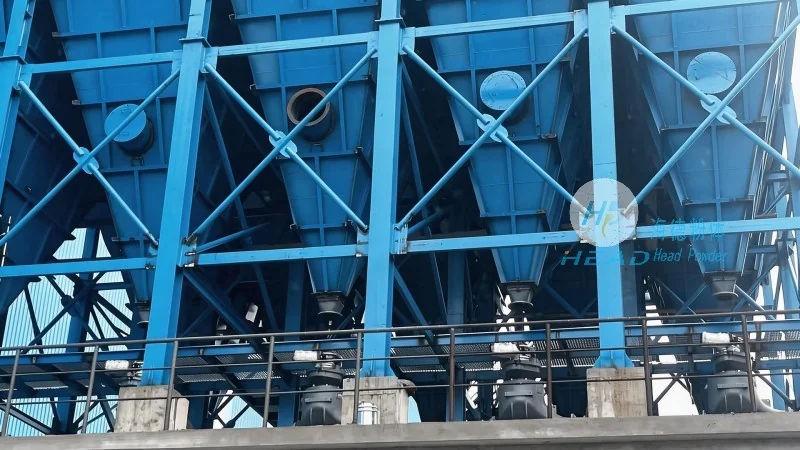
Considerations for Design and Installation
Designing and installing yellow earth pneumatic conveying systems requires careful consideration of material properties and operational needs. Key factors include particle size, moisture content, and flowability, which dictate air velocity requirements and line diameter. System capacity must match required throughput to avoid bottlenecks. The choice of air compressor or vacuum pump depends on pressure/vacuum needs, distance, and elevation changes. Conveying line installation must minimize bends to reduce pressure losses and blockage risks. Regular maintenance, including component cleaning and inspections, is critical to prevent clogs and wear.
Conclusion
Yellow earth material pneumatic conveying machines represent an efficient and reliable solution for material transport in various industries. By leveraging pneumatic transport principles, they enhance operational efficiency, reduce labor costs, and improve safety. Their adaptability to diverse working environments and applications makes them indispensable in construction, mining, and agriculture. With proper design, installation, and maintenance, these systems provide long-term performance, contributing to industrial productivity and success. As technology advances, they will likely become even more efficient and versatile, solidifying their role in modern material handling.




