Principle and Working Scene Characteristics of Alloy Powder Material Pneumatic Conveying Lines
Release time:2026-09-20 01:01:35
name of the company:Shandong Headpowder Engineering Co., Ltd.
telephone:156-6277-7102
contacts:Zhang manager
HeadPowder, a leading engineering firm based in Shandong, China, specializes in the design and implementation of advanced pneumatic conveying systems tailored for alloy powder materials. This article delves into the fundamental principles underlying these systems and highlights the key characteristics of their operational environments.
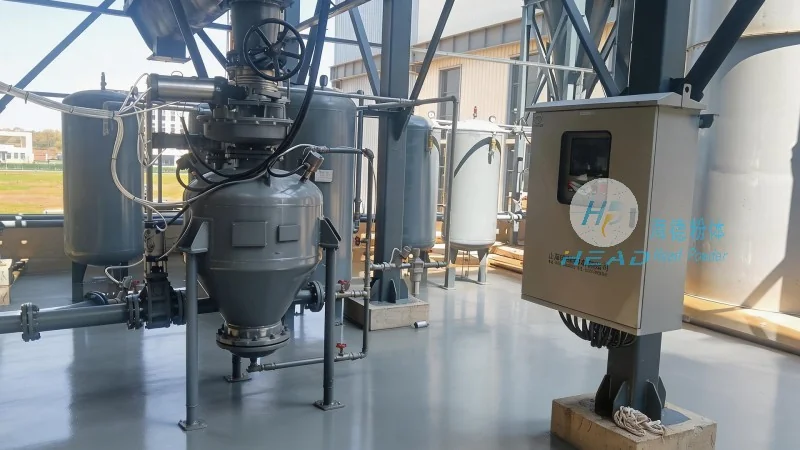
Understanding the Core Principles of Pneumatic Conveying for Alloy Powders
Pneumatic conveying systems utilize air or other gases to transport bulk materials like alloy powders through a network of pipes. The primary principle involves creating a pressure differential that propels the material forward. There are two main types of pneumatic conveying: dilute-phase and dense-phase. Dilute-phase systems operate at higher velocities, typically transporting material in a dispersed state, while dense-phase systems use lower velocities and higher pressure to move material in a more compacted form. For alloy powders, which often require gentle handling to prevent degradation or agglomeration, the choice of system type is critical. The design must account for factors such as particle size, moisture content, and the material's flow properties to ensure efficient and safe transport.
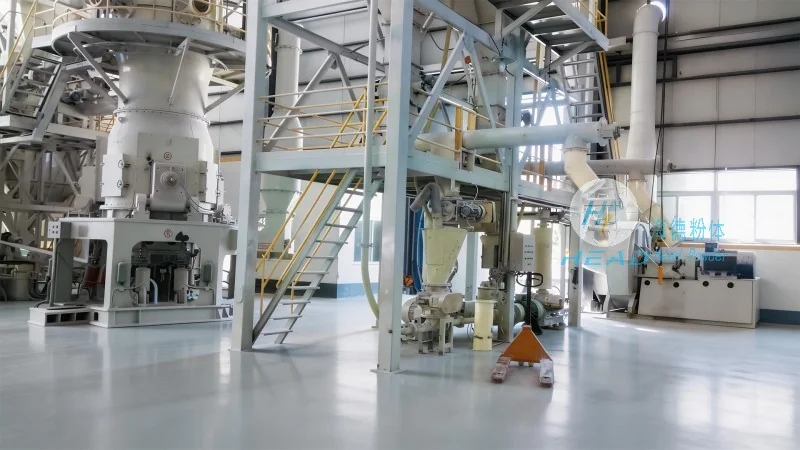
Key Working Scene Characteristics of Alloy Powder Pneumatic Conveying Lines
The operational environments for alloy powder pneumatic conveying lines are characterized by several distinct features that influence system performance and reliability. First, the material handling process demands precise control over air flow and pressure to maintain consistent material transport rates. This is particularly important in industrial settings where alloy powders are used in high-precision applications, such as aerospace or automotive manufacturing. Second, the systems must be designed to minimize material degradation, as alloy powders are often sensitive to friction, temperature, and exposure to air. Advanced system designs incorporate features like smooth pipe interiors, low-friction components, and temperature-controlled zones to mitigate these risks. Third, the working scenes often involve integration with other industrial processes, such as mixing, drying, or packaging. The pneumatic conveying line must seamlessly connect with these downstream operations to ensure a continuous and efficient production flow. Additionally, the systems are typically built to handle varying material loads and flow rates, adapting to the dynamic demands of modern manufacturing environments.
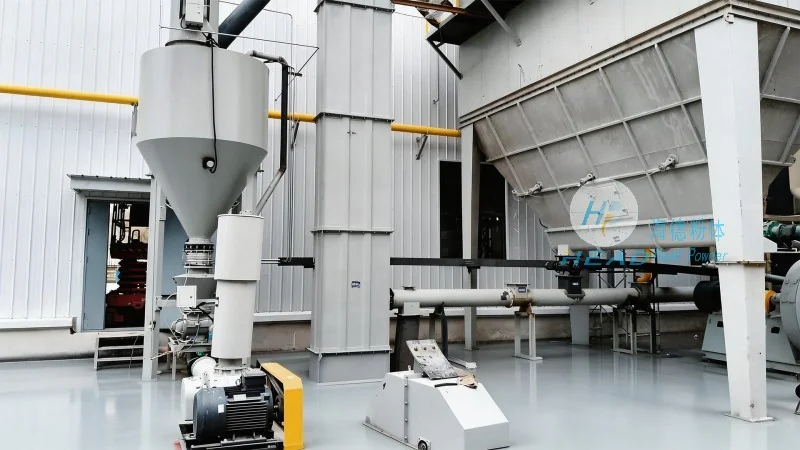
Applications and Industry Impact
Alloy powder pneumatic conveying lines are widely used in various industries where the transport of fine, high-value materials is essential. In the aerospace industry, for example, these systems are crucial for delivering alloy powders used in the production of lightweight yet strong components. In the automotive sector, they facilitate the handling of powders for metal matrix composites and other advanced materials. The reliability and efficiency of these systems directly impact production throughput and product quality, making them a vital component of modern manufacturing operations. HeadPowder's expertise in designing customized solutions ensures that clients can optimize their material handling processes, reduce downtime, and enhance overall operational efficiency.




