HeadPowder, a leading engineering firm based in Shandong, China, specializes in the design, manufacturing, and installation of advanced pneumatic conveying systems tailored for handling rubber granule materials. With a strong commitment to technological innovation and customer satisfaction, the company has established itself as a trusted partner in the material handling industry.
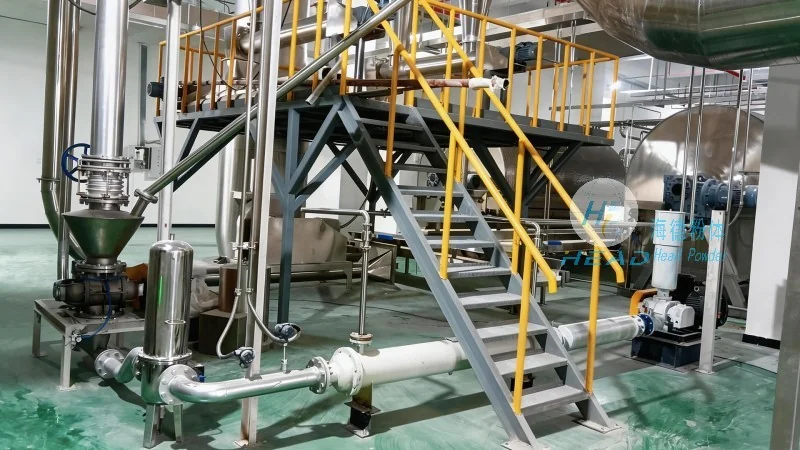
Principle of Pneumatic Conveying Systems for Rubber Granules
Pneumatic conveying systems operate by using air or gas to transport bulk materials, such as rubber granules, through a pipeline network. The core mechanism involves creating a pressure differential between the inlet and outlet of the system. In a typical setup, a blower or compressor generates the necessary airflow, which then draws the rubber granules into the pipeline. The material is carried by the air stream, moving from the loading point to the discharge point. This process eliminates the need for mechanical components like belts or buckets, reducing maintenance and operational costs. The system can be designed as either positive pressure (where air pushes the material) or negative pressure (where air pulls the material), depending on the specific application requirements and material characteristics.
Working Scene Characteristics and Application Scenarios
The working scene characteristics of pneumatic conveying systems for rubber granules are tailored to meet the unique demands of various industrial environments. These systems are particularly suitable for applications where material handling needs to be efficient, clean, and low-maintenance. Common working scenarios include:
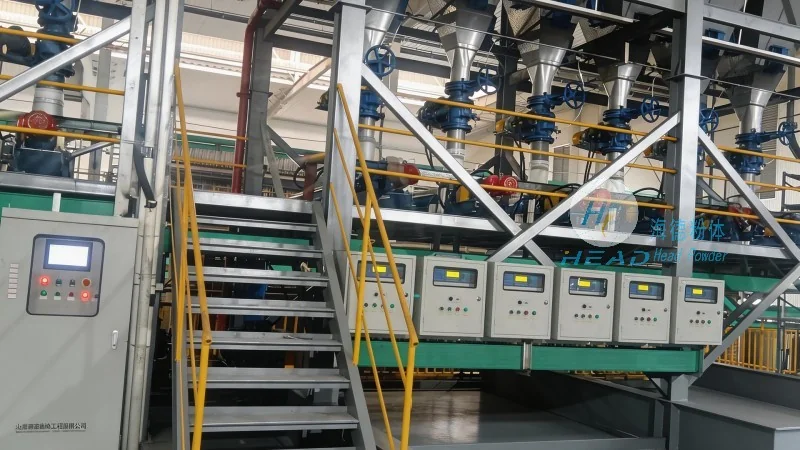
1. Industrial Production Lines: In manufacturing facilities, rubber granules are often used in the production of tires, rubber mats, and other rubber products. Pneumatic conveying systems enable seamless integration into production lines, ensuring a continuous flow of material from storage to processing equipment. This minimizes downtime and enhances overall productivity.
2. Storage and Distribution Centers: For companies that store large quantities of rubber granules, pneumatic conveying systems provide an efficient way to move material between storage silos and processing areas. The systems can handle high volumes of material with minimal human intervention, improving operational efficiency and reducing labor costs.
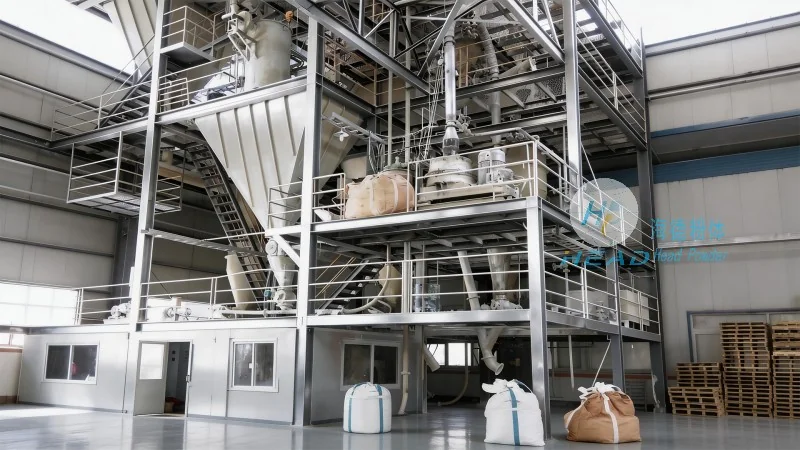
3. Recycling and Waste Management Facilities: In recycling plants, rubber granules are often recovered from waste tires and other rubber products. Pneumatic conveying systems are ideal for transporting these granules from sorting and processing areas to storage or further processing units. The systems help maintain a clean and organized workflow, which is crucial in recycling operations.
4. Research and Development Labs: For laboratories involved in rubber material research, pneumatic conveying systems offer a precise and controlled method for handling small quantities of rubber granules. This allows researchers to conduct experiments and tests with minimal contamination and consistent material flow.




