HeadPowder, a leading engineering company based in Shandong, China, specializes in the design and implementation of advanced material handling systems. Among their portfolio is the pneumatic conveying line specifically engineered for polyethylene pellet materials, a critical component in modern industrial processes.
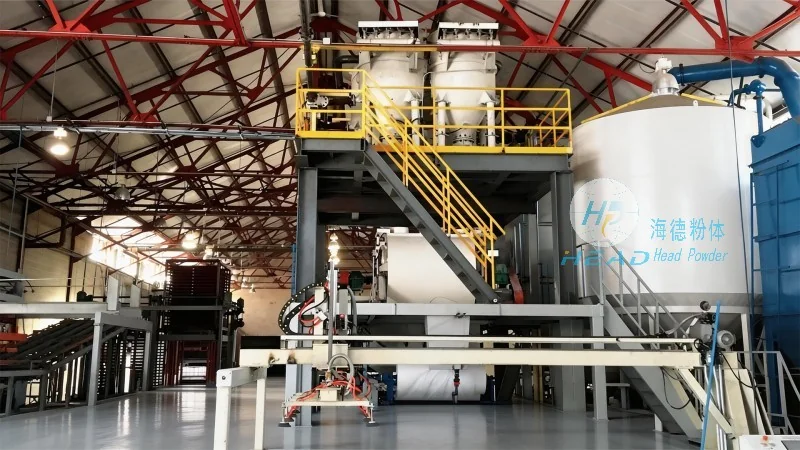
Pneumatic Conveying Line: An Overview
The pneumatic conveying line for polyethylene pellets operates on the principle of transporting bulk materials through a pipeline using a gas stream, typically air or other gases. This method offers a highly efficient and flexible solution for moving polyethylene pellets from one location to another within industrial facilities. The system typically consists of a hopper for material storage, a conveying pipeline, a fan or blower to generate the air flow, and a receiver for the delivered material. The process involves feeding the polyethylene pellets into the hopper, where they are drawn into the pipeline by the moving air, and then transported to the destination point. This method eliminates the need for mechanical components like belts or screws, reducing maintenance and operational costs while ensuring a clean and dust-free transfer of the material.
Key Principles of Pneumatic Conveying for Polyethylene Pellets
The core principle of pneumatic conveying for polyethylene pellets is the creation of a consistent air flow that lifts and propels the pellets through the pipeline. The velocity of the air is crucial; it must be sufficient to overcome the gravitational force acting on the pellets and maintain their suspension within the air stream. The system often uses a combination of positive and negative pressure or vacuum to control the flow direction and ensure efficient transport. For polyethylene pellets, which are relatively light and have a certain density, the air velocity is carefully calibrated to prevent material deposition or blockages in the pipeline. This calibration is essential for maintaining the line's performance and longevity.
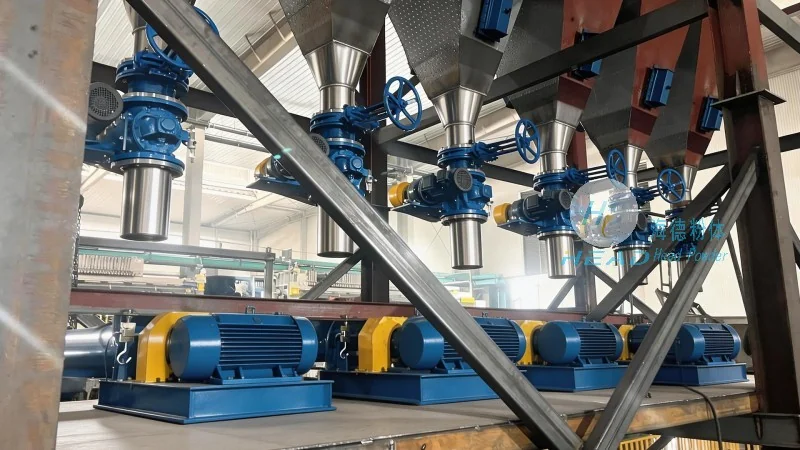
Working Scene Characteristics: Industrial Applications
The pneumatic conveying line for polyethylene pellets is widely used in various industrial settings where the handling of bulk polyethylene pellets is required. These applications include plastic manufacturing plants, where pellets are transported from storage silos to processing machines, and in recycling facilities where reclaimed polyethylene is conveyed for reprocessing. In these working scenes, the line's design must accommodate the specific characteristics of polyethylene pellets, such as their size, density, and moisture content. The system is often integrated with other equipment, such as mixers or extruders, to ensure a seamless flow of material from storage to processing. The working scene characteristics also include the need for a reliable and continuous operation, as any downtime in the conveying process can disrupt the entire production line. HeadPowder's engineering solutions are tailored to meet these requirements, providing robust and efficient systems that enhance productivity and reduce operational risks.
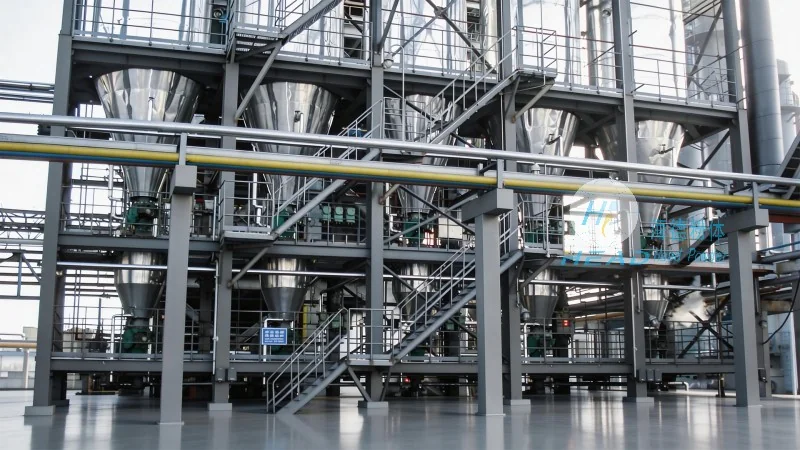
Advantages of Pneumatic Conveying for Polyethylene Pellets
Implementing a pneumatic conveying line for polyethylene pellets offers several advantages over traditional mechanical conveying methods. One of the primary benefits is the reduction in material handling costs, as the system eliminates the need for labor-intensive manual loading and unloading. Additionally, the pneumatic method provides a cleaner and more hygienic transfer of the material, which is particularly important in food and pharmaceutical industries where polyethylene pellets may be used. The system also offers flexibility in terms of layout, as the pipeline can be installed in various configurations to suit the spatial constraints of the industrial facility. Furthermore, the use of air as the conveying medium allows for the integration of dust collection systems, ensuring compliance with environmental regulations and maintaining a safe working environment.
Conclusion
HeadPowder's pneumatic conveying line for polyethylene pellets represents a sophisticated engineering solution that addresses the specific needs of modern industrial applications. By leveraging the principles of pneumatic transport, the system provides an efficient, reliable, and cost-effective method for handling polyethylene pellets. With its headquarters in Shandong, China, HeadPowder continues to innovate and deliver high-quality material handling systems that enhance operational efficiency and support the growth of industrial enterprises.




