Roots blower pneumatic conveying lines are an essential technology in the field of powder handling, offering efficient and reliable solutions for transporting bulk materials over long distances. This article delves into the fundamental principles behind these systems and highlights the key working scene characteristics that make them suitable for various industrial applications.
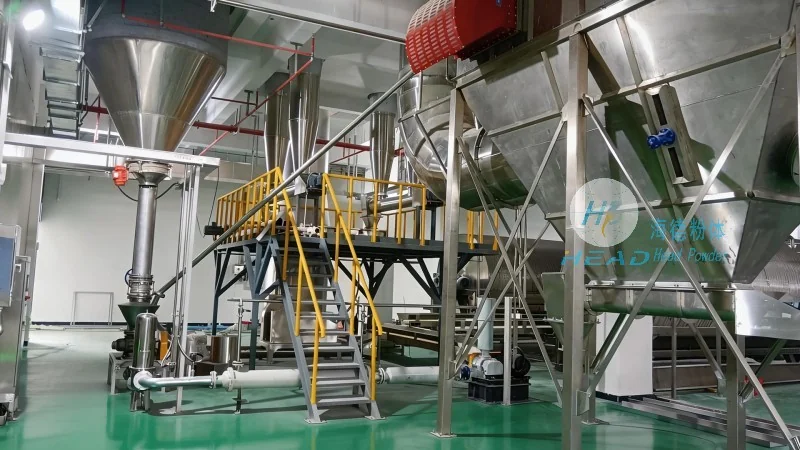
Introduction to Roots Blower Pneumatic Conveying
At the core of a roots blower pneumatic conveying system is the roots blower, a positive displacement blower that generates high-pressure air to move powder particles through a pipeline. The system typically consists of a blower, a hopper for material storage, a conveyor line with appropriate fittings, and a receiver for the discharged material. The roots blower operates by continuously drawing air into the inlet and compressing it, creating a pressure differential that propels the powder through the system. This method is particularly effective for transporting dry, free-flowing powders such as cement, flour, and plastic resin, where traditional mechanical conveying methods may be less efficient or suitable.
The Working Principle of Roots Blower Pneumatic Conveying
The working principle of a roots blower pneumatic conveying line is based on the positive displacement mechanism. The roots blower features two interlocking lobes that rotate within a casing, creating a series of sealed cavities. As the lobes rotate, these cavities move air from the inlet to the outlet, increasing the air pressure. The high-pressure air then flows into the conveying line, where it picks up powder from the hopper and transports it to the receiver. The pressure maintained by the roots blower ensures that the powder is moved continuously and without interruption, even over long distances. This principle allows for consistent material flow rates and minimal material degradation, making it ideal for sensitive powders that require gentle handling.
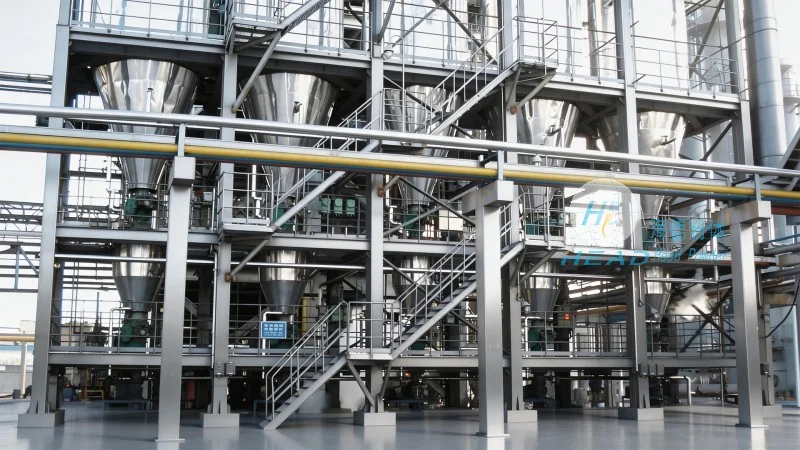
Key Working Scene Characteristics
Several key characteristics define the working scenes where roots blower pneumatic conveying lines are commonly employed. Firstly, the system is highly effective for long-distance transportation, as the roots blower can generate sufficient pressure to overcome friction losses in the pipeline. This makes it suitable for applications where materials need to be moved from a production facility to a storage or processing plant, often over distances of several hundred meters or more. Secondly, the system is capable of handling a wide range of powder types, from fine powders like talcum powder to bulkier materials like coal or wood chips. The adjustable air flow and pressure settings allow for customization to match the specific properties of the material being conveyed.
Thirdly, roots blower pneumatic conveying lines are known for their low maintenance requirements and high reliability. The positive displacement design of the roots blower means that it does not require lubrication, reducing the risk of contamination in the conveyed material. Additionally, the system is less prone to clogging compared to other pneumatic conveying methods, as the high air velocity helps to keep the powder particles suspended and moving smoothly through the pipeline. This reliability is crucial in industrial settings where downtime can lead to significant production losses.
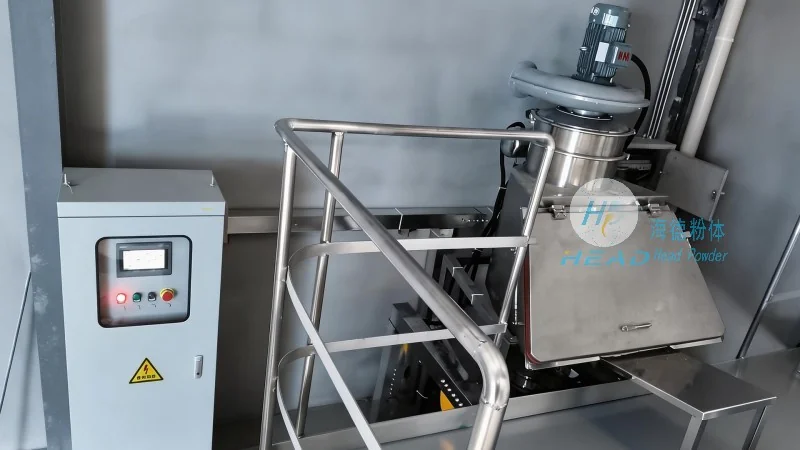
Applications in Different Industries
Roots blower pneumatic conveying lines are widely used across various industries due to their versatility and efficiency. In the cement industry, for example, these systems are used to transport raw materials such as limestone and clay from storage silos to the cement production line. The high pressure and consistent flow rates ensure that the raw materials are delivered in the correct proportions, which is critical for maintaining the quality of the final cement product. In the food processing industry, roots blower systems are employed to handle powders like flour and sugar, where hygiene and gentle handling are paramount. The system's ability to maintain a clean and dust-free environment makes it suitable for food-grade applications.
In the chemical industry, roots blower pneumatic conveying lines are used to transport powders such as plastic resin and chemical additives. The system's ability to handle abrasive materials without causing wear and tear on the equipment is a significant advantage. Additionally, the system can be equipped with filtration and dust collection systems to ensure that the conveyed material is free from contaminants, which is essential for meeting regulatory standards. In the pharmaceutical industry, these systems are used to handle powders like active pharmaceutical ingredients (APIs), where the purity and sterility of the material are critical. The gentle handling and low contamination risk of roots blower systems make them ideal for pharmaceutical applications.
Advantages and Considerations
One of the primary advantages of roots blower pneumatic conveying lines is their ability to handle long distances and high material capacities. The high pressure generated by the roots blower allows for efficient transportation of large quantities of powder, reducing the need for multiple transfer points and simplifying the overall material flow process. Another advantage is the system's flexibility, as it can be easily adapted to different material types and application requirements. The adjustable air flow and pressure settings enable operators to optimize the system for specific materials, ensuring maximum efficiency and minimal energy consumption.
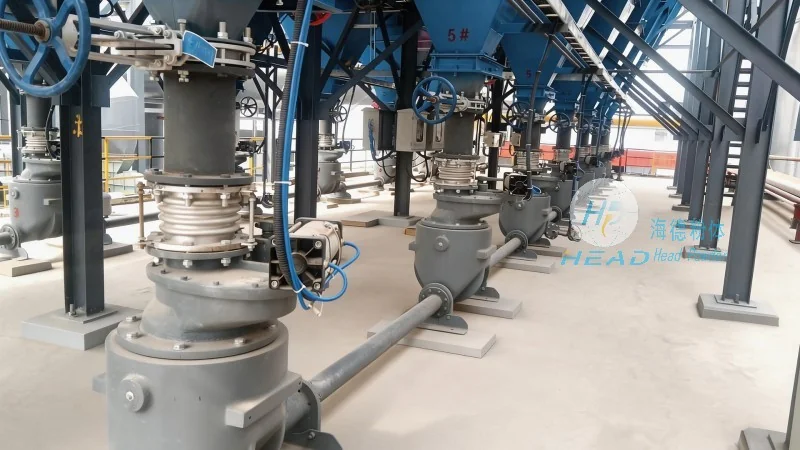
However, there are also some considerations to keep in mind when using roots blower pneumatic conveying lines. One of the main challenges is the potential for material buildup in the pipeline, especially with sticky or cohesive powders. This can lead to clogging and reduced system performance, requiring regular maintenance and cleaning. Additionally, the system requires a reliable power source to operate the roots blower, and any power outages can cause a disruption in material flow. Despite these considerations, the overall benefits of roots blower pneumatic conveying lines often outweigh the drawbacks, making them a preferred choice for many industrial applications.
Conclusion
Roots blower pneumatic conveying lines represent a sophisticated and efficient solution for powder handling in various industrial settings. By understanding the fundamental principles of these systems and their working scene characteristics, industries can make informed decisions about their material transportation needs. The combination of high pressure, consistent flow rates, and low maintenance requirements makes roots blower systems a reliable choice for long-distance powder transportation. As technology continues to advance, these systems are likely to become even more efficient and versatile, further expanding their applications in the future.




