Carboxymethyl cellulose (CMC) is a widely used chemical additive in various industrial applications, and efficient handling and transportation of CMC powder are critical for maintaining production efficiency and product quality. This article explores the principles and operational characteristics of CMC powder handling systems, focusing on the technical aspects and practical applications in industrial settings.
Understanding the Core Principles of CMC Powder Handling Systems
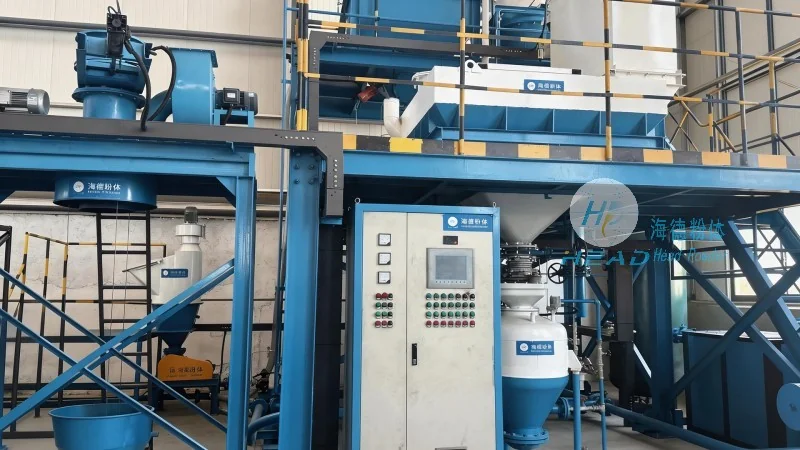
At the heart of any CMC powder handling system lies a combination of mechanical and pneumatic technologies designed to manage the unique properties of CMC powder. Carboxymethyl cellulose is a hygroscopic, fine powder that can exhibit cohesive behavior under certain conditions, making traditional bulk material handling methods insufficient. The primary principles of CMC powder handling systems revolve around controlling particle flow, preventing agglomeration, and ensuring consistent material transport from storage to processing units.
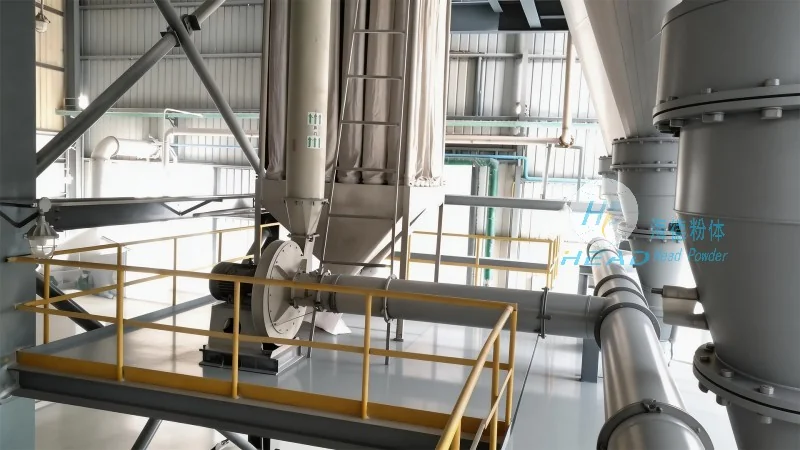
Key components typically include bulk material feeders, conveyor systems, and pneumatic conveying equipment. These systems are engineered to maintain the powder's flowability while minimizing dust generation and material degradation. For instance, rotary valves and screw conveyors are commonly used to feed CMC powder into pneumatic conveying lines, which use air pressure to transport the material over long distances with minimal loss and contamination.
Operational Characteristics in Industrial Applications
The operational characteristics of CMC powder handling systems vary significantly based on the specific industrial application. In pharmaceutical manufacturing, for example, the system must adhere to stringent hygiene and contamination control standards. This often involves using stainless steel components, closed-loop conveying systems, and advanced filtration to ensure the CMC powder remains free from particulate matter and microbial contamination.
In the food and beverage industry, where CMC is used as a thickening agent, the system must maintain product purity and prevent cross-contamination with other ingredients. The handling equipment is typically designed with sanitary features, such as easy-to-clean surfaces and minimal dead zones, to meet regulatory requirements. Additionally, the system's ability to handle varying moisture content in the CMC powder is crucial, as moisture can affect the powder's flowability and processing performance.
In the chemical and textile sectors, CMC powder handling systems may need to accommodate larger batch sizes and higher throughput rates. The design of these systems often emphasizes durability and reliability, with robust components that can withstand the abrasive nature of the powder and the demanding operational conditions of these industries.
Company Profile: Shandong HeadPowder Engineering Co., Ltd.
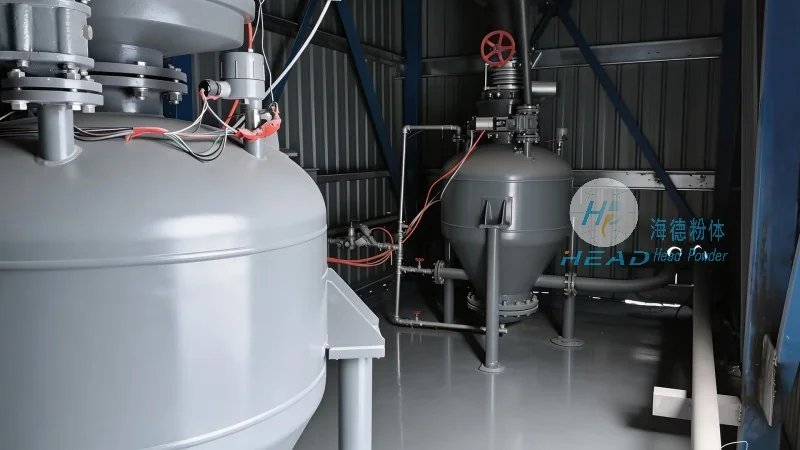
HeadPowder, a leading provider of specialized powder handling solutions, specializes in developing and manufacturing advanced systems for handling fine powders like carboxymethyl cellulose. With a strong focus on innovation and customer-centric design, HeadPowder has established itself as a trusted partner in the chemical and industrial sectors. The company's headquarters is located in Shandong, China, where it leverages local manufacturing capabilities and technical expertise to deliver high-quality, customized solutions for its clients.
HeadPowder's team of engineers and technicians work closely with clients to understand their specific operational needs and tailor powder handling systems that meet their unique requirements. Whether it's a small-scale laboratory setup or a large-scale industrial production line, the company offers comprehensive solutions that enhance efficiency, reduce downtime, and improve overall product quality. The company's commitment to quality and reliability has earned it a reputation for excellence in the industry, making it a preferred choice for businesses seeking reliable CMC powder handling solutions.




