HeadPowder, a leading provider in the field, specializes in the design and implementation of lime pneumatic conveying systems. This article delves into the fundamental principles governing these systems and highlights the key characteristics of their operational scenarios, offering insights into how such technology enhances material handling efficiency in industrial applications.
The Core Principles of Pneumatic Conveying for Lime
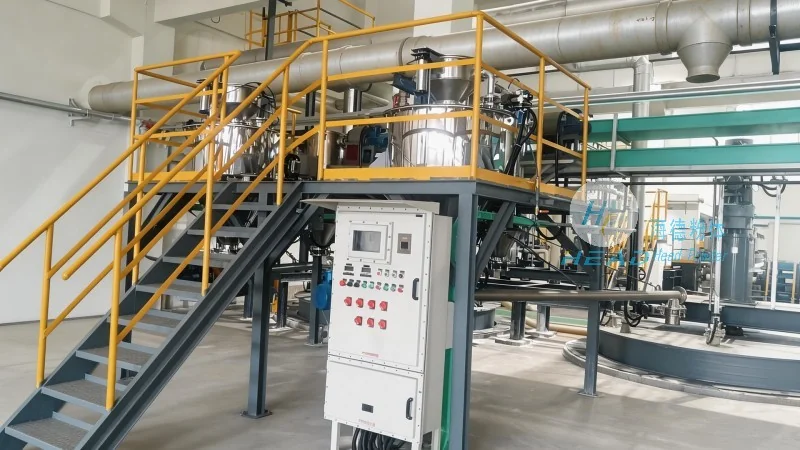
Lime pneumatic conveying lines operate on the principle of transporting bulk materials, such as lime, through a pipeline using compressed air. The system typically consists of a hopper for material storage, a feeder to control the flow rate, a conveying pipeline, and a receiver for the material at the destination. The compressed air, often supplied by a blower or compressor, creates a pressure differential that propels the material particles along the pipeline. This method eliminates the need for mechanical components like belts or buckets, reducing maintenance and operational costs while ensuring a continuous and dust-free transfer of the material. The design of the conveying line, including the size of the pipeline, the velocity of the air, and the angle of the line, is critical to achieving optimal performance and preventing material degradation or blockages.
Key Characteristics of Working Scenarios for Lime Pneumatic Conveying
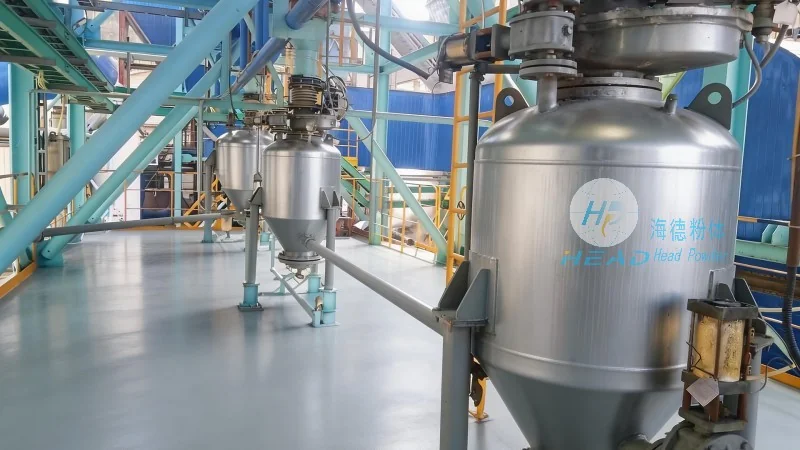
The operational scenarios for lime pneumatic conveying systems are tailored to meet the specific demands of industrial processes. These systems are commonly employed in environments where material handling requires high efficiency, minimal downtime, and adherence to safety and environmental standards. For instance, in cement production facilities, lime is a crucial raw material, and the pneumatic conveying line ensures its reliable transport from storage silos to the production line. The characteristics of these scenarios include the need for precise control over material flow to maintain consistent production rates, the requirement for dust suppression measures to comply with environmental regulations, and the integration of the system with other processing equipment to streamline operations. Additionally, the design of the conveying line must consider the physical properties of lime, such as its particle size, density, and moisture content, to ensure efficient and safe transport. The working scenarios also highlight the adaptability of pneumatic conveying systems to various industrial settings, from small-scale operations to large-scale manufacturing plants, making them a versatile solution for material handling challenges.
HeadPowder's Expertise in Designing and Implementing Lime Pneumatic Conveying Solutions
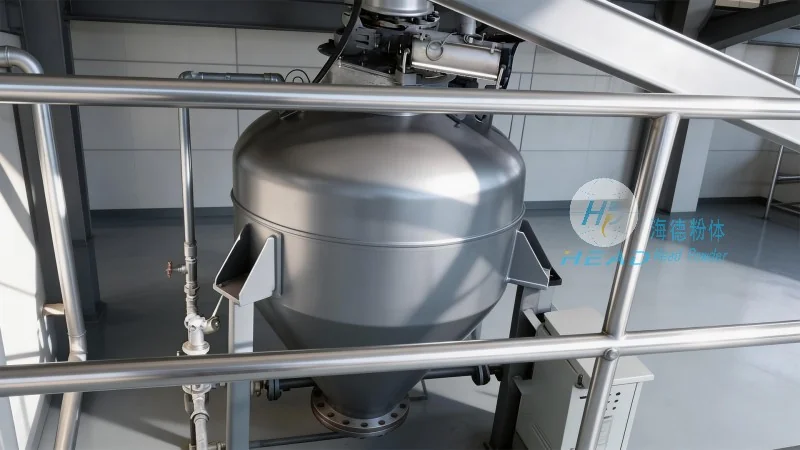
Shandong HeadPowder Engineering Co., Ltd., headquartered in Shandong, China, leverages decades of experience in engineering and manufacturing to deliver customized lime pneumatic conveying lines that meet the unique requirements of each client. The company’s team of engineers and technicians works closely with clients to assess their operational needs, material characteristics, and site conditions, ensuring that the final system is optimized for performance, reliability, and cost-effectiveness. By integrating advanced technologies and adhering to international standards, HeadPowder’s solutions provide long-term benefits, including reduced energy consumption, minimized material loss, and enhanced operational safety. The company’s commitment to quality and customer satisfaction is reflected in its comprehensive after-sales support, which includes maintenance services, technical assistance, and system upgrades to ensure the continued efficiency of the conveying line over its service life.




