HeadPowder, a leading provider in the field of material handling solutions, specializes in advanced pneumatic conveying systems for industrial applications. With a focus on efficiency and reliability, the company has developed cutting-edge technologies tailored to the unique demands of limestone transportation. This article explores the fundamental principles behind limestone pneumatic conveying and highlights the key characteristics of its operational environments.
Understanding the Principle of Limestone Pneumatic Conveying
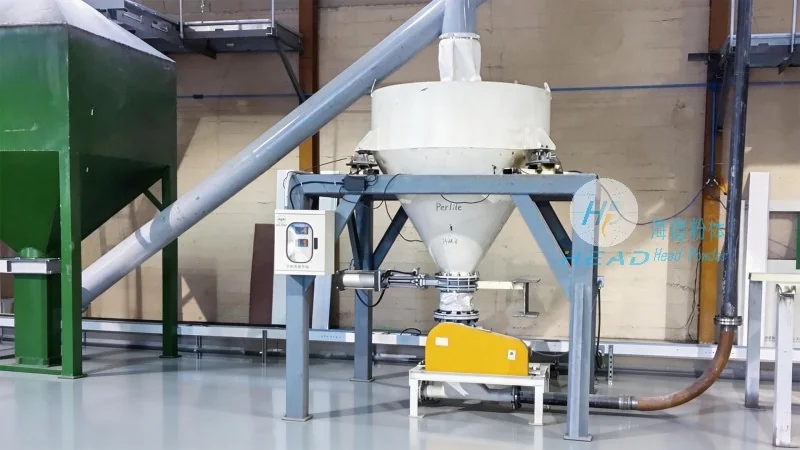
Limestone pneumatic conveying involves the use of air or gas to transport bulk materials like limestone through a pipeline system. The process typically operates on the principle of creating a pressure differential between the inlet and outlet of the conveying line. By generating sufficient airflow, the system can lift and move the limestone particles from the source to the destination without the need for mechanical components such as belts or buckets. This method is particularly effective for handling dry, free-flowing materials and offers several advantages over traditional bulk material handling methods.
The core mechanism of pneumatic conveying for limestone relies on the interaction between the material and the air stream. As air is introduced into the conveying line, it creates a low-pressure zone that draws the limestone particles into the pipeline. The air velocity is carefully controlled to ensure that the particles remain suspended and are transported smoothly. This process can be categorized into different types based on the pressure used, including positive pressure, negative pressure, and mixed pressure systems. Each type has its own advantages and is selected based on the specific requirements of the application, such as the distance to be covered, the volume of material to be transported, and the environmental constraints.
Key Characteristics of Work Scenarios in Limestone Pneumatic Conveying
The operational environments for limestone pneumatic conveying vary significantly depending on the industrial setting. These scenarios are defined by several critical factors that influence the design and performance of the conveying system. First, the source of the limestone, whether it is extracted from a quarry or received from a supplier, dictates the initial conditions of the material. The particle size distribution, moisture content, and bulk density of the limestone are crucial parameters that affect the conveying efficiency. For instance, larger or more cohesive particles may require higher air velocities or different conveying system configurations to ensure smooth transport.
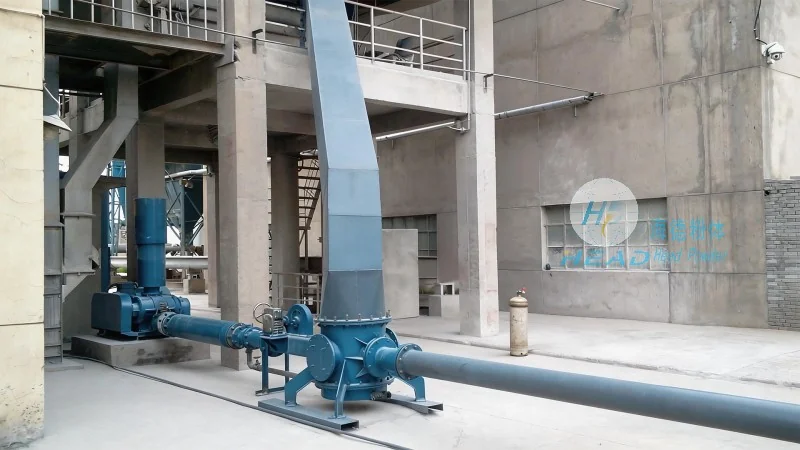
Second, the distance and elevation changes between the limestone source and the destination play a vital role in determining the system's design. Long-distance conveying may necessitate booster units or larger diameter pipelines to maintain the required air pressure and prevent material deposition. Similarly, significant vertical lifts require additional energy input to overcome gravity and maintain the material's suspension. The presence of obstacles or changes in direction within the conveying route also impacts the system's layout and components, such as elbows, bends, and filters.
Third, the environmental and safety considerations in the work scenario are paramount. Pneumatic conveying systems must comply with industrial safety standards to prevent dust explosions, which are a common hazard in handling dry powders like limestone. Proper dust collection and filtration systems are essential to maintain air quality and protect personnel. Additionally, the system's integration with other industrial processes, such as storage silos or processing equipment, requires careful coordination to ensure seamless material flow and minimize downtime.
Advantages of Limestone Pneumatic Conveying Systems
Compared to traditional mechanical conveying methods, limestone pneumatic conveying offers several distinct advantages that make it a preferred choice for many industrial applications. One of the primary benefits is the ability to handle materials in a completely enclosed system, which reduces dust emissions and improves workplace safety. This is particularly important in environments where dust can be a health hazard or cause operational issues. The enclosed system also helps maintain the purity of the limestone, preventing contamination from external sources.
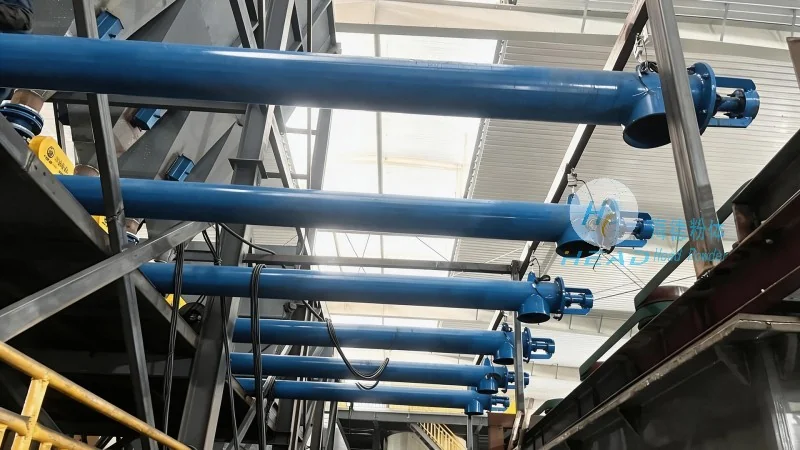
Another significant advantage is the flexibility and scalability of pneumatic conveying systems. They can be easily adapted to accommodate changes in material volume or operational requirements. For example, the system can be expanded by adding additional pipelines or booster units without major modifications to the existing infrastructure. This flexibility is especially valuable in industries where production volumes fluctuate or where new processing lines are added over time.
Furthermore, pneumatic conveying systems are generally more energy-efficient than mechanical alternatives, especially for short to medium distances. The use of air as the conveying medium allows for lower energy consumption compared to mechanical systems that rely on motors and belts. This efficiency translates into cost savings over the long term, making pneumatic conveying a more economical solution for many businesses.




