Stone pneumatic conveying is a critical technology in material handling, particularly for transporting bulk materials like gravel, crushed stone, and other granular substances. Understanding its underlying principles and the specific scenarios where it excels is essential for industries relying on efficient, reliable material transport. This article delves into the core mechanics of stone pneumatic conveying, exploring how it operates and the unique advantages it offers in various industrial settings.
Core Principle of Stone Pneumatic Conveying
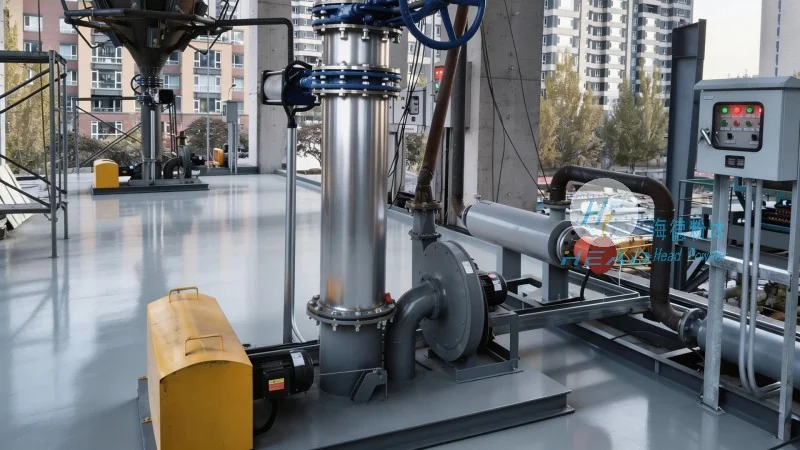
The fundamental principle of stone pneumatic conveying involves using air or gas as the medium to transport solid particles. Unlike traditional mechanical conveyors, which rely on belts, screws, or buckets, pneumatic systems utilize pressure differentials to move materials through a pipeline. In the case of stone, the process typically begins with the material being fed into a hopper or feeder. From there, a fan or blower generates a flow of air that carries the stone particles through the pipeline. The air velocity is carefully controlled to ensure the particles remain suspended and move efficiently without settling or causing blockages. This method leverages the principles of fluid dynamics, where the air flow creates a drag force on the particles, enabling them to be transported over long distances with minimal friction and energy loss.
Key Components and Their Roles
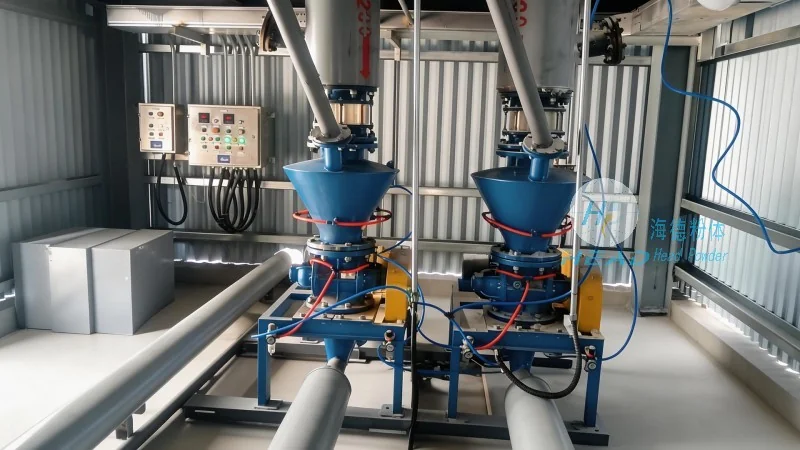
To achieve effective stone pneumatic conveying, several key components work in concert. The primary components include a material feeder, a blower or fan, a pipeline system, and a discharge device. The material feeder, often a hopper or rotary valve, ensures a consistent and controlled flow of stone into the system. The blower or fan provides the necessary air pressure and volume to move the particles through the pipeline. The pipeline itself is typically made of durable materials like stainless steel or PVC, designed to withstand the abrasive nature of stone particles and the pressure of the air flow. The discharge device, such as a rotary valve or a venturi, regulates the release of the stone at the destination point, preventing backflow and ensuring smooth material discharge. Each component is critical to the overall efficiency and reliability of the system, and their proper integration is essential for optimal performance.
Advantages of Stone Pneumatic Conveying
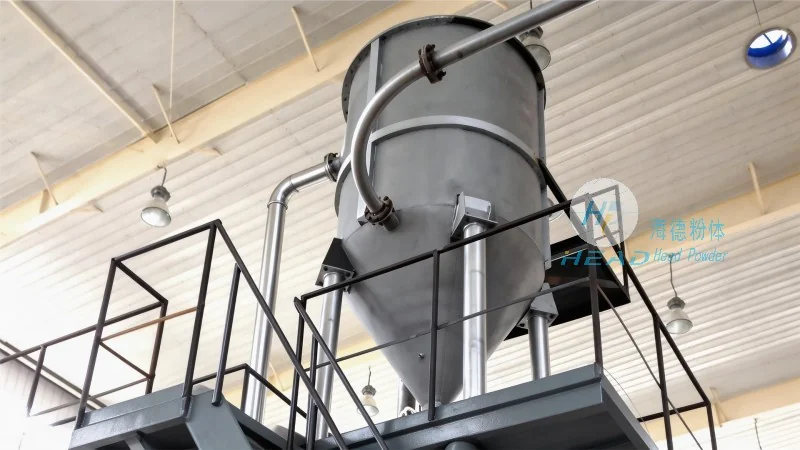
Stone pneumatic conveying offers several advantages over traditional material handling methods. One of the most significant benefits is its ability to transport materials over long distances with minimal infrastructure. Unlike belt conveyors, which require extensive support structures and may be limited by terrain, pneumatic systems can navigate complex layouts and vertical elevations with ease. This makes them ideal for applications where the material needs to be moved from a quarry to a processing plant or from a storage facility to a construction site. Additionally, pneumatic conveying is highly flexible, allowing for changes in the material flow direction or destination without major modifications to the system. This adaptability is particularly valuable in dynamic industrial environments where material handling requirements may change frequently. Another key advantage is the reduced risk of material contamination. Since the material is enclosed within the pipeline, it is protected from dust, moisture, and other environmental factors that could affect its quality. This is especially important for stone used in construction or manufacturing, where purity and consistency are critical. Furthermore, pneumatic systems are generally more energy-efficient than mechanical conveyors, as they minimize friction and require less power to operate over long distances. The lower energy consumption not only reduces operational costs but also contributes to a smaller environmental footprint.
Common Application Scenarios
Stone pneumatic conveying is widely used in various industrial and construction applications. One of the most common scenarios is in the quarrying and mining industry, where it is used to transport crushed stone from the extraction site to processing facilities or storage areas. The ability to handle large volumes of material over long distances makes it ideal for this application. In construction, pneumatic conveying is often used to transport gravel, sand, and other aggregates to job sites. This method allows for efficient delivery of materials to remote or hard-to-reach locations, improving project timelines and reducing transportation costs. The technology is also utilized in the manufacturing of concrete and asphalt, where stone aggregates are transported from storage to mixing plants. The consistent and controlled flow of material ensures that the final products meet quality standards. Additionally, in the recycling industry, stone pneumatic conveying can be used to transport recycled aggregates from sorting facilities to processing plants. This helps streamline the recycling process and maximize the reuse of materials. The versatility of stone pneumatic conveying makes it suitable for a wide range of applications, from large-scale industrial operations to smaller construction projects.
Considerations for Effective Implementation
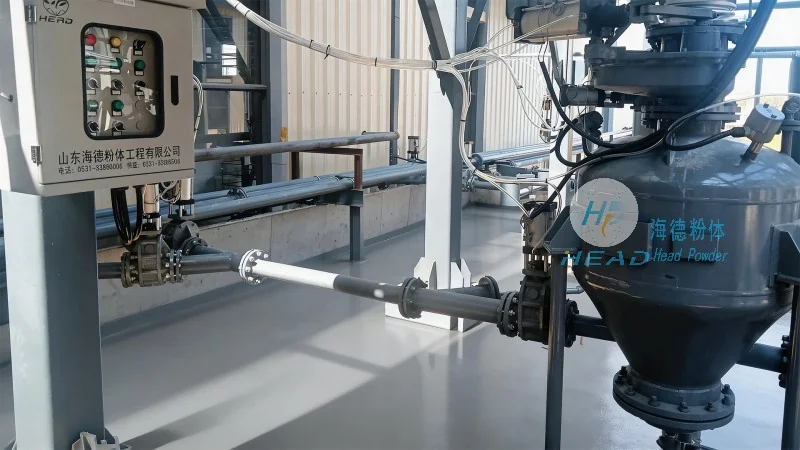
While stone pneumatic conveying offers numerous benefits, successful implementation requires careful consideration of several factors. The first consideration is the material characteristics of the stone itself. Different types of stone have varying particle sizes, shapes, and densities, which can affect the air velocity and pressure required for effective transport. For example, fine-grained stone may require higher air velocities to prevent settling, while larger, irregularly shaped particles may need lower velocities to avoid blockages. The system design must be tailored to the specific properties of the stone to ensure optimal performance. Another critical factor is the system layout and pipeline design. The pipeline must be properly sized and routed to minimize pressure losses and ensure consistent flow. Sharp bends, changes in elevation, and other obstructions can cause significant pressure drops and reduce the efficiency of the system. Proper maintenance of the components is also essential for long-term performance. Regular inspection and cleaning of the pipeline, feeder, and discharge device can prevent clogging and ensure the system operates smoothly. Additionally, the choice of blower or fan is crucial. The type and capacity of the fan must be matched to the material flow rate and the required air pressure to avoid underperformance or excessive energy consumption. By addressing these considerations, industries can maximize the benefits of stone pneumatic conveying and ensure reliable, efficient material transport.
Conclusion
Stone pneumatic conveying is a sophisticated and efficient technology that plays a vital role in modern material handling. By understanding its core principles, key components, and application scenarios, industries can leverage this technology to improve operational efficiency, reduce costs, and enhance product quality. The flexibility, reliability, and adaptability of pneumatic systems make them an ideal solution for transporting stone in various industrial and construction settings. As technology continues to advance, further improvements in material handling systems are likely to emerge, but the fundamental principles of stone pneumatic conveying will remain a cornerstone of efficient bulk material transport. For companies like Shandong HeadPowder Engineering Co., Ltd., based in China, this technology represents a key area of expertise, providing solutions tailored to the specific needs of their clients in the material handling industry.




