For industrial applications involving the transport of magnesia materials, pneumatic conveying systems offer efficient and reliable solutions. This article explores the working principle and key features of magnesia material pneumatic conveying lines, highlighting how they enhance material handling processes in various industrial settings. Developed by Shandong HeadPowder Engineering Co., Ltd. (headpowder), these systems are engineered to meet the specific demands of magnesia material handling.
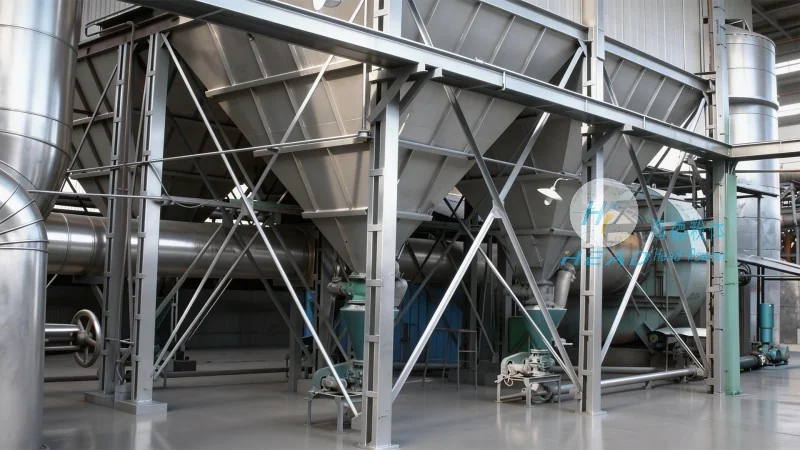
Overview of Magnesia Material Pneumatic Conveying Lines
Magnesia, a high-purity form of magnesium oxide, is widely used in refractory materials, chemical production, and other industrial applications. The pneumatic conveying line for magnesia materials is a system designed to transport these powders or granules from one location to another using air or gas as the conveying medium. This method eliminates the need for mechanical components like belts or buckets, reducing maintenance and increasing operational efficiency. The design of these lines is tailored to handle the unique properties of magnesia, such as its fine particle size and potential for dust generation.
The Working Principle of Magnesia Material Pneumatic Conveying Lines
The core of a magnesia material pneumatic conveying line is the air flow mechanism that propels the material through the system. The process typically involves several key components: a material hopper, a feeder, a conveying pipe, and a receiver. The material is first stored in the hopper, then fed into the conveying pipe via a feeder. Simultaneously, a fan or blower generates a high-pressure air stream that moves through the pipe, creating a negative pressure or positive pressure environment depending on the system design. This air flow entrains the magnesia particles, carrying them along the pipe to the destination receiver. The system may use either dilute-phase or dense-phase conveying, with dilute-phase being more common for fine powders like magnesia, as it allows for longer distances and higher throughput. The air velocity is carefully controlled to ensure that the magnesia particles are fully suspended and transported without clogging or degradation.
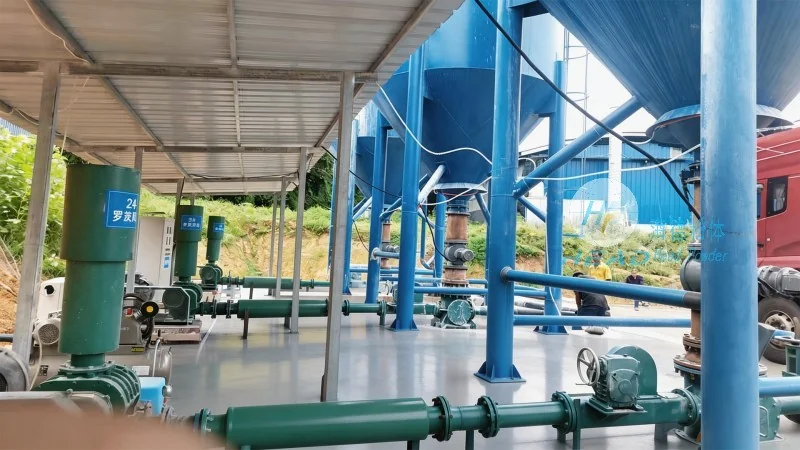
Key Features of Magnesia Material Pneumatic Conveying Lines
Several distinct features make magnesia material pneumatic conveying lines suitable for industrial applications:
1. High Efficiency and Throughput: These systems can handle large volumes of magnesia material at high speeds, ensuring rapid material transfer and minimizing downtime. The use of air as the conveying medium allows for continuous operation without the need for frequent stops or adjustments. The throughput capacity is adjustable based on the system size and air pressure, making it adaptable to varying production demands.
2. Low Maintenance and Durability: Unlike traditional mechanical conveyors, pneumatic systems have fewer moving parts, reducing the risk of wear and tear. The components are typically made of corrosion-resistant materials, such as stainless steel, to withstand the chemical properties of magnesia and ensure long-term durability. Regular maintenance involves checking air pressure, cleaning filters, and inspecting the hopper and feeder, which are straightforward tasks that can be performed by trained personnel.
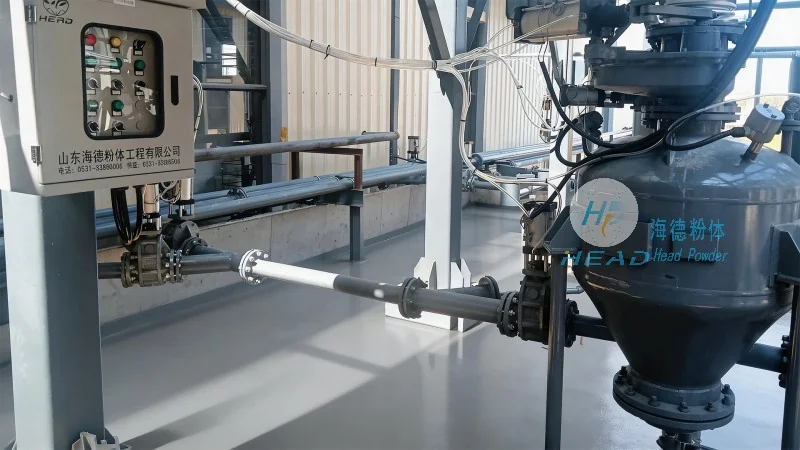
3. Versatility in Material Handling: Pneumatic conveying lines can handle a wide range of magnesia particle sizes and shapes, from fine powders to coarse granules. This versatility makes them adaptable to various industrial processes, including blending, mixing, and packaging. The system can be configured with multiple inlets and outlets, allowing for complex material routing and integration with other production equipment.
4. Clean and Contamination-Free Operation: The enclosed system prevents dust and particles from escaping into the environment, maintaining a clean and safe working environment. This is particularly important for magnesia, which can be a respiratory irritant if not handled properly. The system also prevents cross-contamination between different batches of magnesia, ensuring product purity and consistency.
5. Energy Efficiency: Modern pneumatic conveying systems are designed to optimize energy use, with adjustable fan speeds and efficient air compression technologies that reduce operational costs over time. The use of energy-efficient motors and variable frequency drives (VFDs) further enhances the system's energy performance.
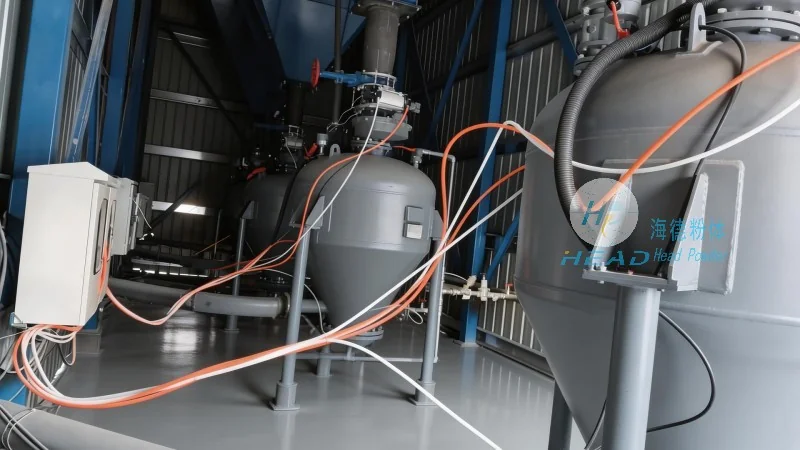
Applications and Benefits in Industrial Settings
Magnesia material pneumatic conveying lines are widely used in industries such as refractory manufacturing, chemical processing, and food processing. In refractory production, they efficiently transport magnesia powders to mixing and molding equipment, ensuring consistent material quality and reducing the risk of material degradation. In chemical plants, these systems facilitate the transfer of magnesia-based chemicals, improving production line efficiency and safety. The benefits of using such systems include reduced labor costs, improved product quality, and enhanced workplace safety. For example, in a refractory plant, a well-designed pneumatic conveying line can reduce material handling time by up to 50% and lower maintenance costs by 30% compared to traditional methods.
Conclusion
Magnesia material pneumatic conveying lines represent a sophisticated solution for the efficient handling of high-purity magnesia materials. By leveraging the principles of air flow and particle entrainment, these systems offer significant advantages in terms of efficiency, maintenance, and safety. For industries relying on magnesia in their production processes, investing in a well-designed pneumatic conveying line can lead to improved operational performance and cost savings. Shandong HeadPowder Engineering Co., Ltd. (headpowder) specializes in the design and manufacturing of such systems, providing customized solutions tailored to the specific needs of each client. With their expertise in material handling technology, headpowder ensures that magnesia material pneumatic conveying lines are built to last and deliver reliable performance in demanding industrial environments.




