For industries dealing with dry materials, optimizing material handling processes is crucial for maintaining productivity and operational efficiency. Traditional methods like belt conveyors or bucket elevators often face challenges such as material degradation, contamination, and high maintenance costs. In contrast, pneumatic conveying systems offer a clean, efficient, and versatile solution that addresses these issues effectively. This article explores the benefits and applications of pneumatic conveying technology, highlighting how it can enhance dry material handling efficiency while maintaining a clean and hygienic environment. Presented by Shandong HeadPowder Engineering Co., Ltd. (headpowder), a leading provider of industrial material handling solutions, this guide provides insights into the advantages of pneumatic conveying for various industrial applications.
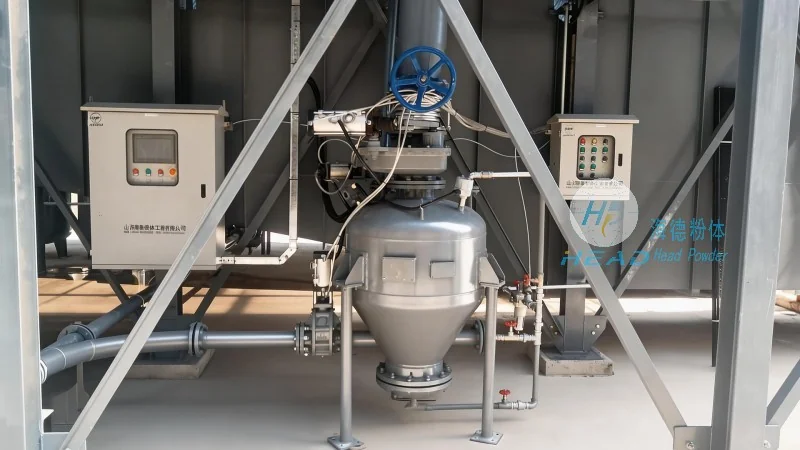
Understanding Pneumatic Conveying Technology
Pneumatic conveying, also known as air conveying, is a method of transporting dry bulk materials using a stream of pressurized or vacuum air. The technology works by creating a flow of air that moves the material through a pipeline system. There are two primary types of pneumatic conveying: pressure and vacuum systems. Pressure systems use compressed air to push material through the pipeline, while vacuum systems use a vacuum to draw material into the system. Both methods are designed to handle a wide range of dry materials, including powders, granules, and fine particles.
The Advantages of Pneumatic Conveying for Dry Materials
One of the key advantages of pneumatic conveying is its ability to maintain the cleanliness and integrity of dry materials. Unlike mechanical conveyors, which can cause friction and abrasion, pneumatic systems minimize material degradation and contamination. This is particularly important for industries such as pharmaceuticals, food processing, and chemical manufacturing, where product purity is critical. Additionally, pneumatic conveying reduces the risk of cross-contamination between different materials, as each material is transported in its own sealed pipeline.
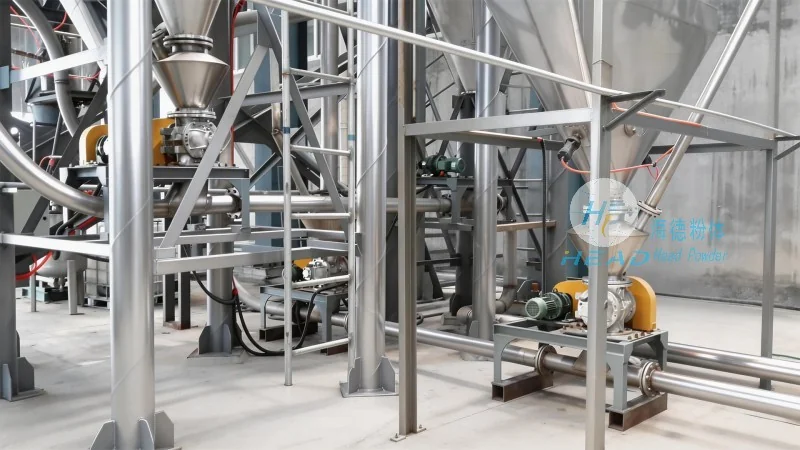
How Pneumatic Conveying Enhances Efficiency
Pneumatic conveying systems are designed to improve material handling efficiency by reducing downtime and increasing throughput. The technology allows for continuous, automated material transport, which minimizes manual handling and labor costs. Furthermore, pneumatic systems can handle materials over long distances and through complex layouts, making them ideal for large-scale industrial applications. The ability to integrate with existing production lines also enhances overall operational efficiency, as materials can be transported directly from storage to processing areas without intermediate steps.
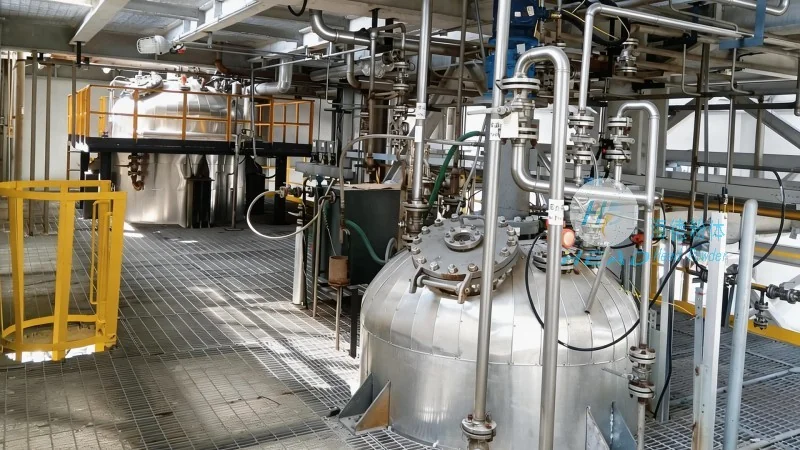
Applications in Various Industries
Pneumatic conveying technology is widely used across various industries due to its adaptability and efficiency. In the food and beverage industry, it is used to transport ingredients like flour, sugar, and spices, ensuring they remain fresh and free from contamination. In the pharmaceutical industry, pneumatic systems are used to handle active pharmaceutical ingredients (APIs) and other sensitive materials, maintaining strict quality control standards. The chemical industry also benefits from pneumatic conveying for transporting powders and granules, reducing the risk of dust explosions and improving safety. Additionally, in the agricultural sector, pneumatic systems are used to transport grain and other agricultural products, improving storage and processing efficiency.
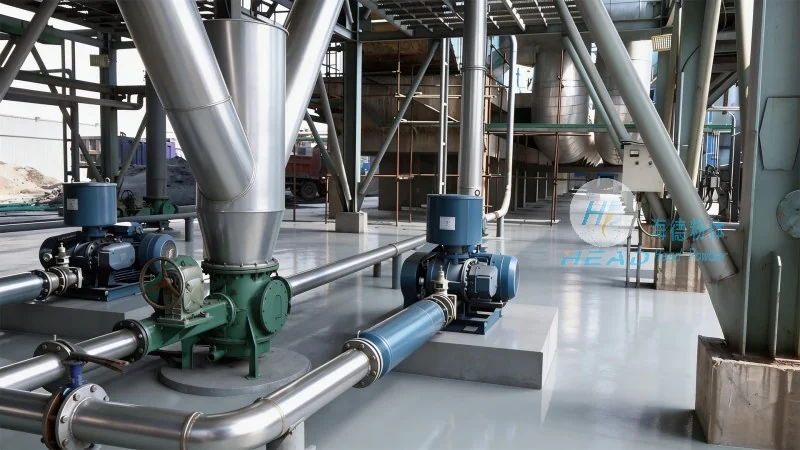
Key Considerations for Implementing Pneumatic Conveying
When implementing a pneumatic conveying system, several factors need to be considered to ensure optimal performance. The first is the type of material being transported, as different materials have different flow characteristics and require specific system designs. The second is the distance and layout of the conveying system, as this affects the pressure requirements and system components. Third, the scale of the operation, including the volume of material to be transported, influences the system's capacity and power requirements. Finally, the need for cleanliness and hygiene must be addressed, especially in industries where product purity is paramount. Proper system design and maintenance are essential to ensure the system operates efficiently and meets regulatory standards.
Conclusion: Choosing the Right Pneumatic Conveying Solution
For businesses looking to enhance dry material handling efficiency and maintain a clean operational environment, pneumatic conveying technology offers a superior solution. By leveraging the benefits of pressure and vacuum systems, companies can improve productivity, reduce costs, and ensure product quality. When selecting a pneumatic conveying system, it is important to consider the specific needs of the operation, including material type, distance, and industry requirements. With the right system design and implementation, pneumatic conveying can significantly enhance material handling efficiency and contribute to overall business success. Shandong HeadPowder Engineering Co., Ltd. (headpowder) specializes in designing and manufacturing customized pneumatic conveying systems tailored to meet the unique needs of each client, ensuring optimal performance and long-term reliability.




