Shandong HeadPowder Engineering Co., Ltd., headquartered in Shandong, China, specializes in the design and manufacturing of advanced pneumatic conveying equipment tailored for bulk material handling in ship loading and unloading operations. This article provides an in-depth exploration of the working principle and key features of such equipment, offering valuable insights for industry stakeholders and potential clients.
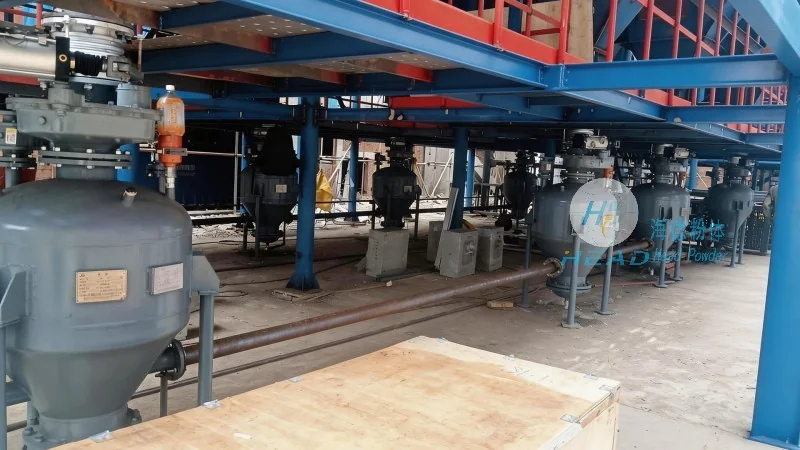
Working Principle of Pneumatic Conveying Equipment
Pneumatic conveying equipment operates by utilizing air as the primary medium to transport bulk materials through a network of pipes. The system relies on a blower or fan to generate either positive or negative pressure, depending on the specific conveying method. Two primary types of systems are commonly used: suction (vacuum) and pressure (positive) systems, with some applications employing a combination of both.
In a suction system, the blower is positioned at the discharge end of the pipeline, creating a negative pressure that draws material from the source into the pipe. The material is then carried by the air stream to the destination. In contrast, a pressure system has the blower at the inlet end, generating positive pressure that pushes material through the pipeline. Mixed systems integrate both suction and pressure components to optimize material flow and minimize pressure losses.
The material is transported in the form of a slurry or suspension within the air stream. The velocity of the air and the size of the particles determine the conveying capacity and efficiency. Proper design of the pipeline, including the use of bends, elbows, and valves, ensures smooth material movement and prevents blockages or material degradation.
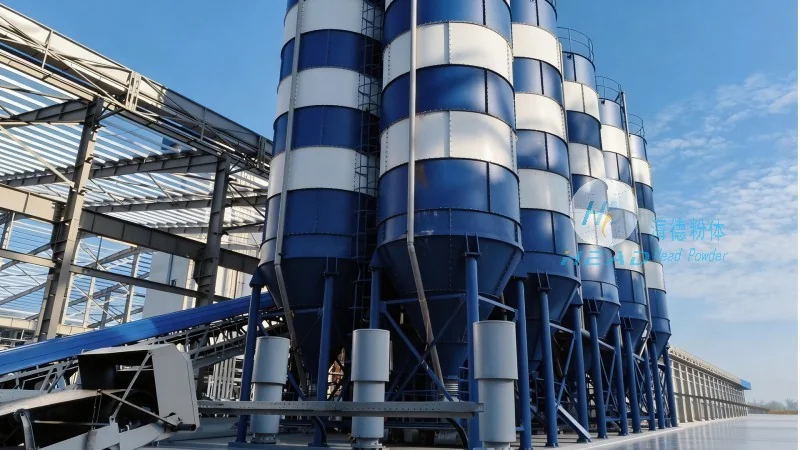
Key Features of Pneumatic Conveying Equipment
Modern pneumatic conveying equipment for bulk material handling in ship loading and unloading operations offers several distinct advantages that enhance operational efficiency and safety.
Firstly, it enables continuous and efficient operation, capable of handling large volumes of material with minimal downtime. This is particularly beneficial in high-throughput ship loading and unloading scenarios where speed and reliability are critical.
Secondly, the equipment operates in a closed system, which significantly reduces dust emissions and contamination risks. This not only improves workplace safety but also complies with stringent environmental regulations, making it suitable for operations in sensitive areas or near populated regions.
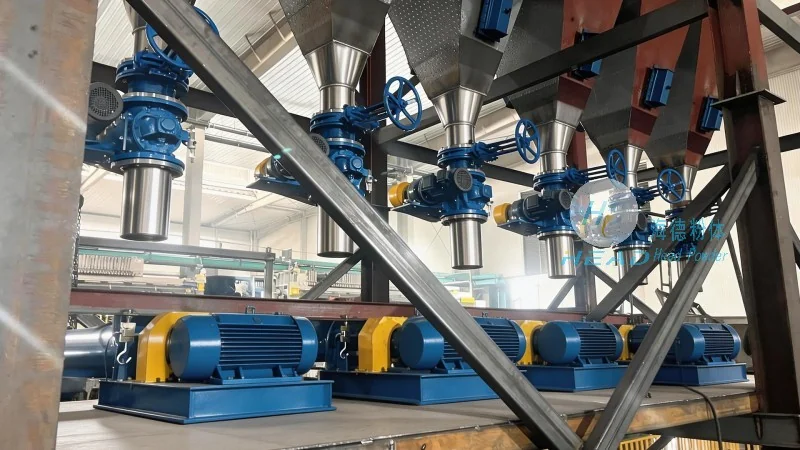
Thirdly, the system is highly versatile, capable of transporting a wide range of bulk materials, including grains, powders, granules, and even hazardous or sensitive substances. The adaptability of the equipment allows it to be customized for specific material characteristics and operational requirements.
Additionally, the design of modern pneumatic conveying equipment is characterized by simplicity and ease of maintenance. The components are robust and durable, reducing the need for frequent repairs and minimizing operational costs over the equipment's lifespan.
Finally, the space-saving design of the equipment is advantageous in ship loading and unloading contexts, where vessel space is limited. The compact layout of the conveying system allows for efficient integration into existing ship infrastructure without compromising performance or safety.
Application in Ship Loading and Unloading Operations
In ship loading and unloading operations, pneumatic conveying equipment plays a vital role in the efficient transfer of bulk materials between vessels and shore facilities. The equipment is typically installed on the ship's deck or within the cargo hold, connecting to the ship's cargo hold or the shore's storage silos.
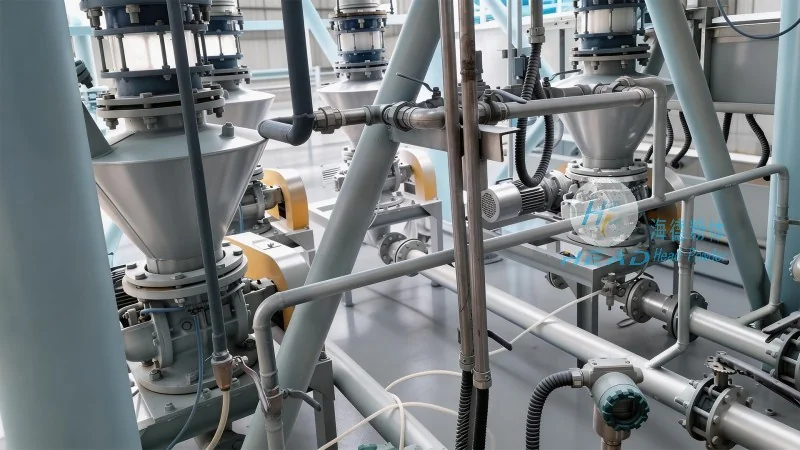
During loading operations, the equipment draws material from the shore's storage silos or bulk carriers and transports it into the ship's cargo hold. Conversely, during unloading, it moves material from the ship's hold to the shore's receiving facilities. The continuous operation of the system ensures that cargo is transferred quickly and safely, reducing the overall time required for loading or unloading cycles.
The use of pneumatic conveying equipment in ship operations also enhances safety by eliminating the need for manual handling of bulk materials, which can be hazardous due to dust, weight, or chemical properties. The closed system design prevents material spillage and contamination, maintaining the integrity of the cargo and the surrounding environment.
Overall, the combination of efficient operation, environmental benefits, and adaptability makes pneumatic conveying equipment an essential component in modern ship loading and unloading processes, contributing to increased productivity and operational efficiency in the maritime industry.




