Efficient and reliable powder and bulk material conveying equipment is essential in various industrial applications, from manufacturing to processing facilities. These systems are designed to transport dry, free-flowing materials such as powders, granules, and bulk solids with precision and minimal loss. Understanding the working principle and key features of such equipment is crucial for optimizing operational efficiency and ensuring product integrity throughout the conveying process.
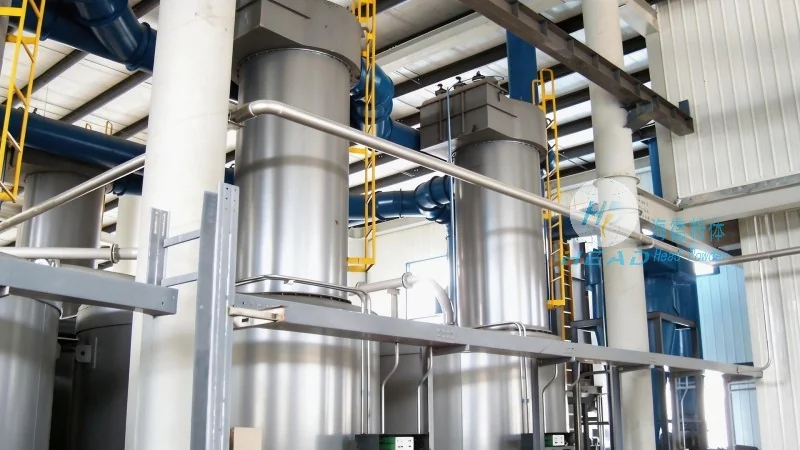
Working Principle of Powder and Bulk Material Conveying Equipment
The core working principle of powder and bulk material conveying equipment revolves around the method of material transport. There are primarily two main categories: mechanical and pneumatic systems. Mechanical conveyors, like screw conveyors and belt conveyors, utilize mechanical components to move materials through a closed or open system. For instance, a screw conveyor employs a rotating helical screw to push material forward, while a belt conveyor uses a moving belt to transport bulk materials. These mechanical systems are often preferred for their simplicity and ability to handle a wide range of materials, including those with varying moisture content and particle sizes.
Pneumatic conveying systems, on the other hand, use compressed air or other gases to transport materials. In this method, the material is drawn or pushed through a pipeline by the airflow. There are two main types of pneumatic conveying: pressure and vacuum systems. Pressure systems involve blowing air into a sealed pipeline, pushing the material forward, while vacuum systems create a negative pressure to draw material into the pipeline. Pneumatic conveyors are particularly effective for handling fine powders and materials that are sensitive to mechanical stress or contamination, as they minimize product degradation and maintain a clean environment.
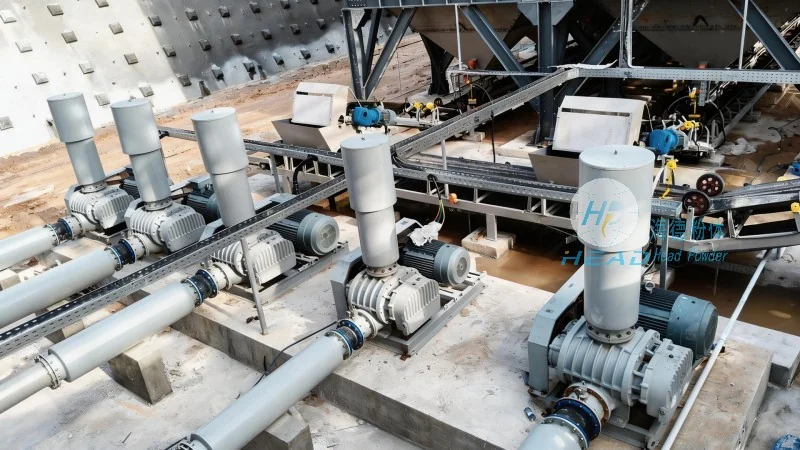
Key Features of Powder and Bulk Material Conveying Equipment
When evaluating powder and bulk material conveying equipment, several key features stand out as critical for performance and reliability. First, the system's efficiency in material transport is paramount. This includes factors like the conveying capacity, which measures the volume of material moved per unit time, and the energy consumption, which impacts operational costs. Advanced equipment often incorporates variable speed drives and intelligent control systems to optimize these parameters, ensuring consistent performance under varying load conditions.
Another important feature is the equipment's ability to handle different material characteristics. This includes considerations such as particle size distribution, moisture content, and bulk density. High-quality conveying systems are designed to accommodate a wide range of materials, from fine powders to coarse granules, without clogging or causing material degradation. For example, some systems use special materials for the conveyor components to prevent wear and tear from abrasive materials, ensuring long-term durability.
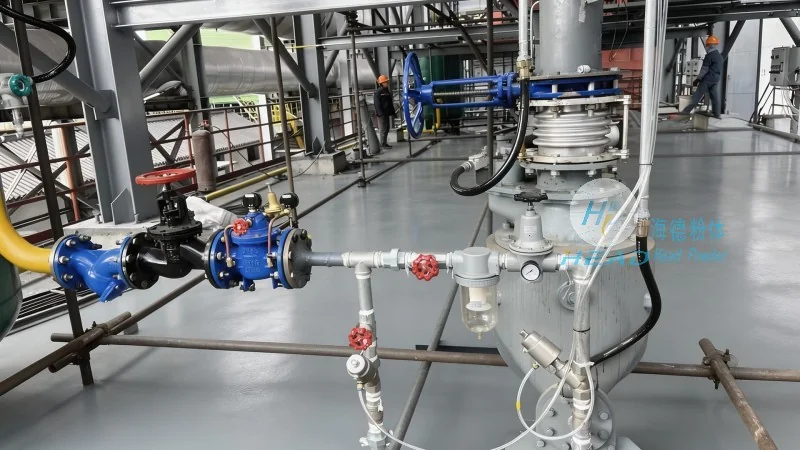
Reliability and maintenance are also significant features. Modern powder and bulk material conveying equipment is engineered for minimal downtime and easy maintenance. Features like easy access to components, quick-release mechanisms, and self-cleaning designs help reduce maintenance intervals and costs. Additionally, many systems include monitoring and diagnostic tools that alert operators to potential issues before they escalate, enhancing overall system reliability.
Company Information: Shandong HeadPowder Engineering Co., Ltd.
Shandong HeadPowder Engineering Co., Ltd., commonly known as HeadPowder, is a leading manufacturer of specialized powder and bulk material conveying equipment. With a strong presence in China, the company is headquartered in Shandong, where it has established a robust infrastructure for research, development, and production. HeadPowder focuses on delivering high-quality, customized solutions tailored to the specific needs of its clients in various industries, including food processing, pharmaceuticals, chemicals, and mining.




