Graphite electrode powder conveying systems are critical components in industrial processes, particularly in the manufacturing and handling of graphite electrode materials. Understanding the working principle and key characteristics of these systems is essential for optimizing material flow, ensuring operational efficiency, and maintaining product quality. This article provides a detailed overview of the mechanisms involved and the distinct features that define effective graphite electrode powder conveying solutions, with a focus on the expertise of Shandong HeadPowder Engineering Co., Ltd., a leading provider of specialized powder handling equipment.
Introduction to Graphite Electrode Powder Conveying
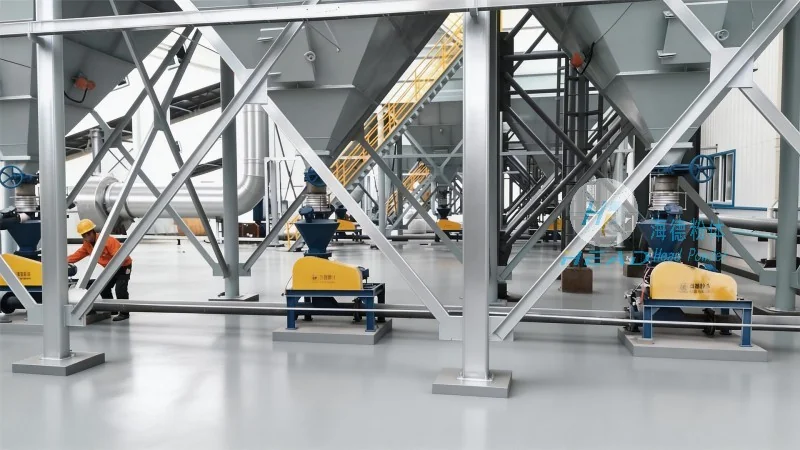
Graphite electrode powder, a key raw material in the production of electrodes for electric arc furnaces and other industrial applications, requires specialized handling due to its fine particle size and potential for dust generation. Conventional conveying methods often struggle with the challenges posed by such powders, including caking, agglomeration, and the need for controlled flow. The development of dedicated graphite electrode powder conveying systems addresses these issues by integrating advanced engineering solutions tailored to the unique properties of graphite materials. Shandong HeadPowder Engineering Co., Ltd., based in Shandong, China, specializes in designing and manufacturing systems that meet the rigorous demands of modern graphite electrode production.
Working Principle of Graphite Electrode Powder Conveying Systems
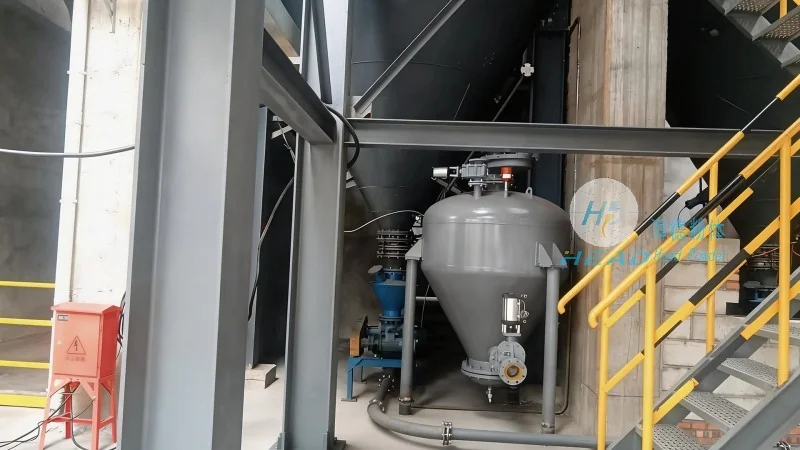
The core working principle of graphite electrode powder conveying systems revolves around the use of specialized equipment designed to handle fine powders without causing degradation or contamination. These systems typically employ a combination of mechanisms, such as pneumatic conveying, mechanical screw conveyors, or vacuum-assisted transport, depending on the specific application requirements. A common approach involves the use of a positive pressure or vacuum system to move the powder from a storage hopper or processing unit to the desired destination, such as a mixing or molding station. In pneumatic conveying systems, for example, compressed air is used to create a flow of air and powder particles through a pipeline. The air velocity is carefully controlled to ensure that the powder remains suspended and transported without settling or clogging. This method is particularly effective for long-distance conveying and can handle both dry and slightly moist graphite powders. Mechanical screw conveyors, on the other hand, use rotating screws to push the powder through a sealed tube, providing a more direct and energy-efficient method for shorter distances or when high pressure is required.
Key Characteristics of Effective Graphite Electrode Powder Conveying Solutions
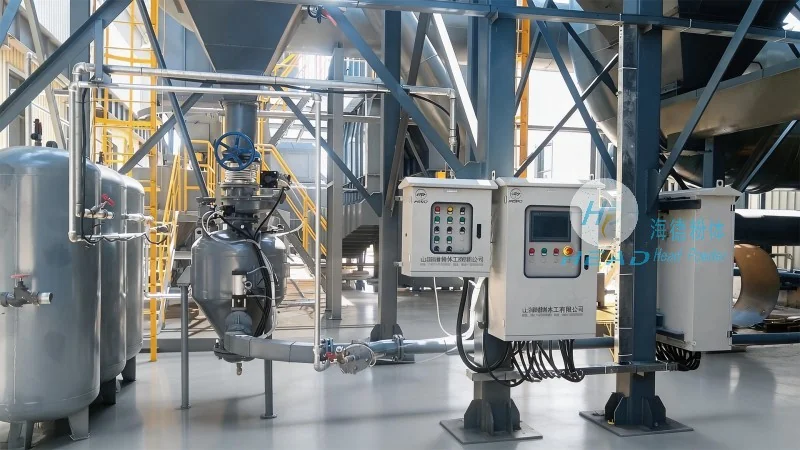
Effective graphite electrode powder conveying systems exhibit several critical characteristics that distinguish them from general-purpose powder handling equipment. First, they are designed to minimize particle degradation and contamination, which is crucial for maintaining the purity and performance of the graphite electrode material. This is achieved through the use of smooth, non-stick surfaces, proper sealing, and controlled air flow to prevent exposure to moisture or other contaminants. Second, these systems offer precise control over the flow rate and pressure, allowing for consistent and uniform material delivery. This is essential for processes that require exact dosing or mixing ratios, such as in the production of graphite electrodes with specific carbon content or grain size. The ability to adjust conveying parameters in real-time ensures that the system can adapt to varying production demands without compromising efficiency. Third, durability and reliability are paramount in graphite electrode powder conveying systems, as they operate in harsh industrial environments with high temperatures and abrasive materials. High-quality materials, such as stainless steel or specialized alloys, are used for components that come into direct contact with the powder to prevent corrosion and wear. Additionally, robust sealing mechanisms and regular maintenance protocols are implemented to minimize downtime and ensure long-term operational stability.
Applications and Benefits in Industrial Settings
Graphite electrode powder conveying systems find widespread application in various industrial sectors, including steel production, aluminum smelting, and battery manufacturing. In steel mills, for instance, these systems are used to transport graphite powder from storage silos to the electrode production line, where it is mixed with other additives and molded into electrodes. The efficiency of the conveying process directly impacts the overall production rate and cost-effectiveness of the operation. One of the primary benefits of these systems is the reduction in labor costs and manual handling, which minimizes the risk of dust exposure and improves workplace safety. By automating the powder transport process, companies can achieve higher throughput and reduce the likelihood of material loss or contamination. Furthermore, the consistent quality of the conveyed powder ensures that the final graphite electrodes meet stringent industry standards, leading to improved performance and longevity in industrial applications.
Conclusion
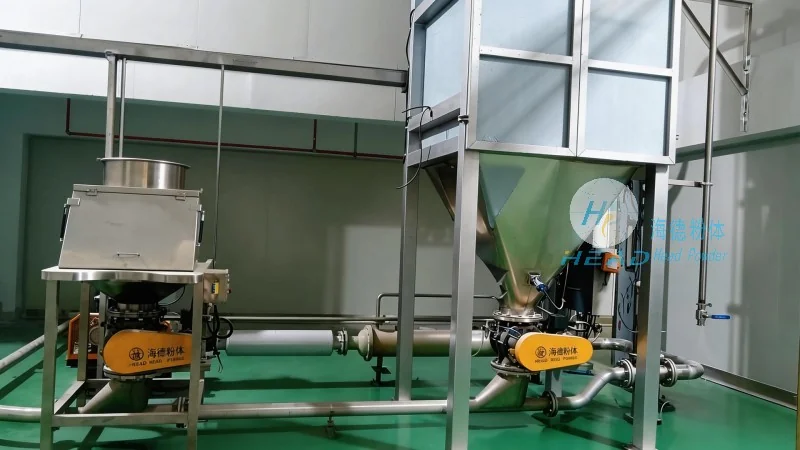
In summary, graphite electrode powder conveying systems operate on a principle of controlled, efficient material transport tailored to the unique properties of graphite powders. Their key characteristics, including contamination control, precise flow regulation, and durability, make them indispensable in modern industrial processes. By understanding these principles and features, manufacturers can optimize their operations, enhance product quality, and achieve greater efficiency in the production of graphite electrodes. The expertise and solutions provided by Shandong HeadPowder Engineering Co., Ltd. play a vital role in advancing these technologies and supporting the evolving needs of the industry, ensuring that graphite electrode production remains a reliable and high-performance process.




