Understanding the working principle and characteristics of rice husk ash powder conveying is crucial for optimizing industrial processes that involve handling this specific material. As a key component in various applications, rice husk ash (RHA) powder requires efficient and reliable conveying systems to ensure smooth material flow and operational efficiency. This article delves into the technical aspects of rice husk ash powder conveying, highlighting the working principles and distinct features of such systems, while also providing insights into the expertise of Shandong HeadPowder Engineering Co., Ltd., a leading provider in this field.
Working Principle of Rice Husk Ash Powder Conveying
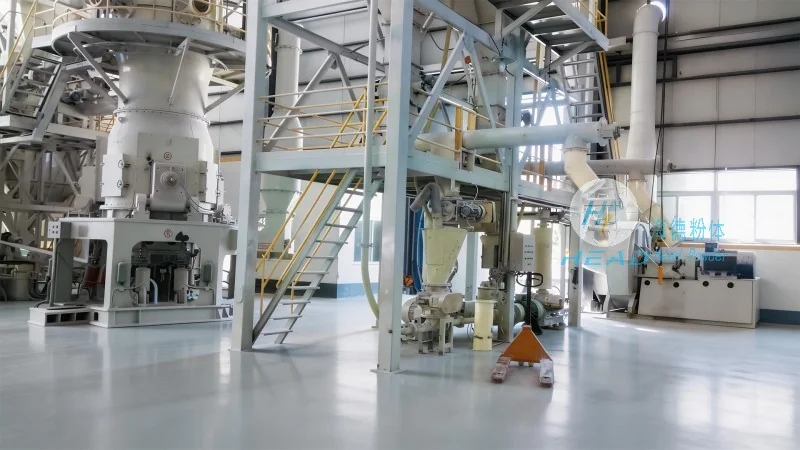
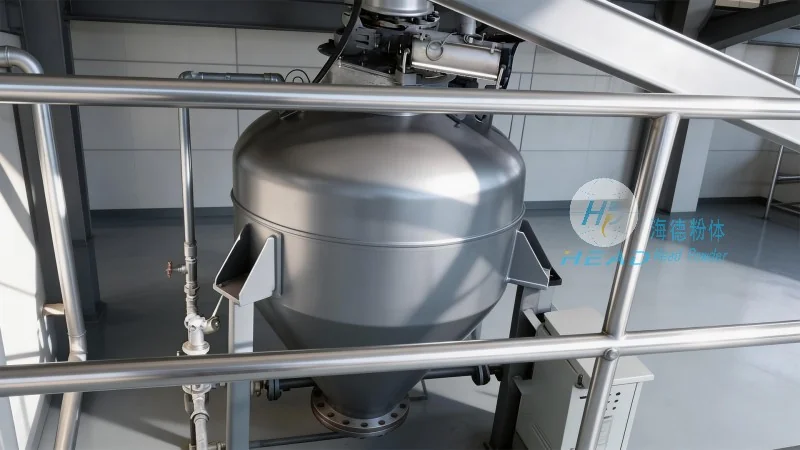
The working principle of rice husk ash powder conveying systems typically involves the use of specialized equipment designed to handle fine, dry powders like RHA. These systems are engineered to ensure consistent and controlled movement of the material from the source to the destination, minimizing issues such as clogging, segregation, or degradation. The core components of a typical rice husk ash powder conveying system include a hopper for material storage, a feeder to regulate the flow rate, a conveying mechanism (such as pneumatic or mechanical), and a discharge unit for delivering the material to the processing or storage area.
In pneumatic conveying systems, for instance, the rice husk ash powder is transported using air pressure. The material is first loaded into a hopper, then fed into a pipeline where it is mixed with air. The air, acting as the conveying medium, propels the powder through the pipeline to the desired location. This method is particularly effective for handling fine powders as it reduces the risk of blockages and allows for flexible routing of the conveying line. Mechanical conveying systems, on the other hand, use mechanical components like screws, belts, or buckets to move the material. These systems are often preferred for bulk material handling and can be more cost-effective in certain applications.
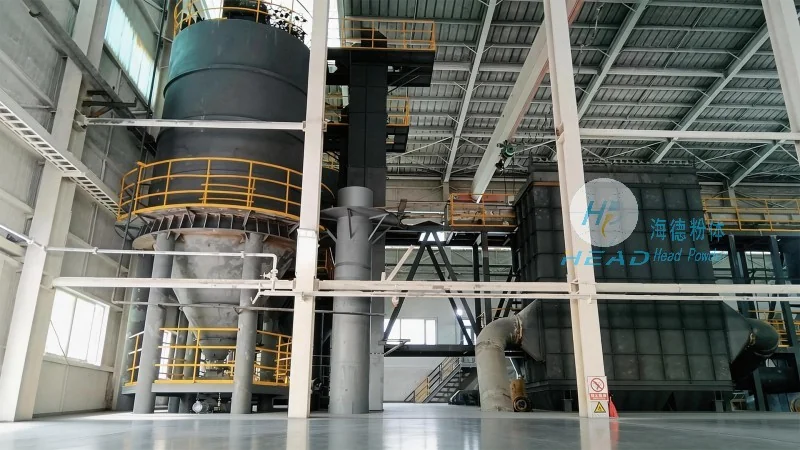
Regardless of the specific conveying method, the working principle revolves around maintaining a stable flow of the powder while minimizing friction and wear on the equipment. Proper design and maintenance of the conveying system are essential to ensure long-term performance and efficiency. The system must be able to handle the unique properties of rice husk ash powder, which may include variations in particle size, moisture content, and density, to prevent operational issues.
Key Characteristics of Rice Husk Ash Powder Conveying Systems
Rice husk ash powder conveying systems exhibit several key characteristics that make them suitable for industrial applications. One of the primary characteristics is their ability to handle fine, abrasive materials without causing excessive wear on the equipment. Rice husk ash is known for its high silica content and abrasive nature, which can quickly damage conventional conveying equipment. Advanced materials and coatings are often used in the construction of these systems to mitigate this issue and extend the lifespan of the components.
Another important characteristic is the system's efficiency in maintaining consistent material flow rates. This is critical for processes that rely on precise dosing or continuous operation. The conveying system must be able to deliver the required amount of RHA powder at a stable rate, ensuring that downstream processes are not interrupted. This is achieved through precise control of the feeder and conveying mechanism, which can be adjusted based on the specific requirements of the application.
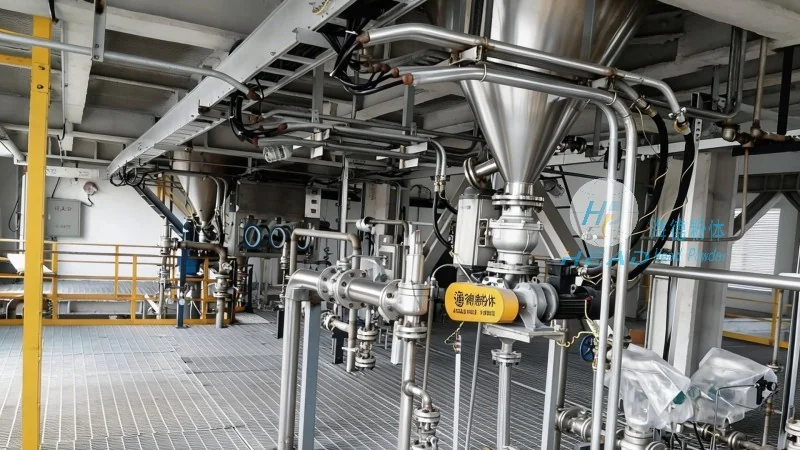
Flexibility in routing is also a notable characteristic of modern rice husk ash powder conveying systems. The ability to reconfigure the conveying line to accommodate changes in production processes or facility layout is a significant advantage. This flexibility allows for efficient material handling in various industrial settings, from small-scale operations to large-scale manufacturing plants. Additionally, the systems are designed to minimize energy consumption, making them environmentally friendly and cost-effective in the long run.
Reliability and durability are other key characteristics that distinguish high-quality rice husk ash powder conveying systems. These systems are built to withstand the harsh conditions associated with handling abrasive powders and are equipped with features such as automatic cleaning mechanisms and overload protection. The reliability of the system is crucial for maintaining uninterrupted production, as downtime can lead to significant losses in industrial operations.
Expertise of Shandong HeadPowder Engineering Co., Ltd.
Shandong HeadPowder Engineering Co., Ltd., operating under the brand name headpowder, is a leading manufacturer and supplier of specialized powder handling equipment, including rice husk ash powder conveying systems. With a strong focus on innovation and customer satisfaction, the company has established itself as a trusted partner in the industry. Headpowder's expertise lies in designing and manufacturing customized conveying solutions that meet the unique needs of each client, ensuring optimal performance and efficiency.
The company's team of experienced engineers and technicians works closely with clients to understand their specific requirements and develop tailored solutions. This collaborative approach ensures that the final product is not only technically advanced but also practical and cost-effective. Headpowder's commitment to quality is evident in its use of high-grade materials and rigorous testing procedures, which guarantee the durability and reliability of its conveying systems.
Headpowder's facilities are equipped with state-of-the-art technology and production capabilities, enabling the company to deliver high-quality products on time and within budget. The company adheres to international standards and best practices in the industry, ensuring that its products meet the highest quality and safety requirements. With a strong presence in China and a growing international client base, Headpowder is well-positioned to serve the global market for rice husk ash powder conveying systems.




