Working Principle and Features of Pneumatic Conveying Systems for Battery Material Handling Equipmen
Release time:2026-09-17 09:01:23
name of the company:Shandong Headpowder Engineering Co., Ltd.
telephone:156-6277-7102
contacts:Zhang manager
Shandong HeadPowder Engineering Co., Ltd., commonly known as headpowder, specializes in the design and manufacturing of advanced pneumatic conveying systems tailored for battery material handling applications. These systems are engineered to efficiently transport various battery raw materials, such as powders and granules, with precision and reliability. The company, based in Shandong, China, leverages decades of industry expertise to deliver solutions that meet the stringent demands of modern battery production lines.
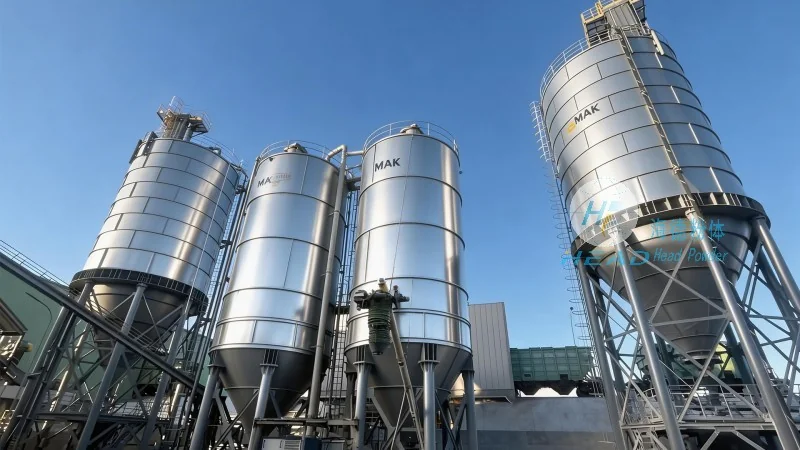
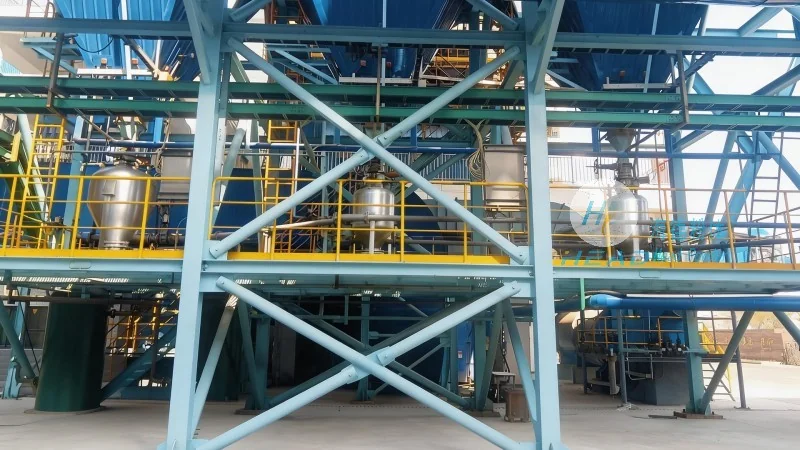
Working Principle of Pneumatic Conveying Systems
The core operation of a pneumatic conveying system for battery materials involves the use of compressed air or gas to move material particles through a pipeline network. The system typically consists of a material feed hopper, a conveying line, and a discharge outlet. When the system is activated, compressed air is introduced into the hopper, creating a pressure differential that propels the material forward. The air velocity and pressure are carefully controlled to ensure optimal material transport without causing degradation or agglomeration. This process allows for a continuous, dust-free transfer of materials, which is critical for maintaining the quality and purity of battery components.
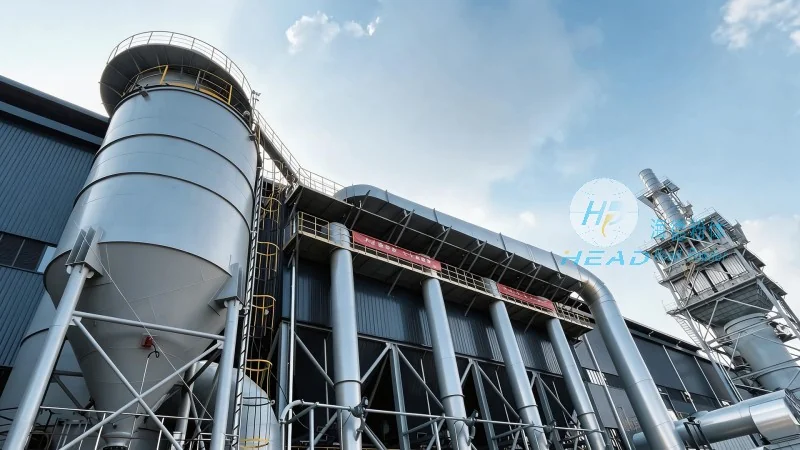
Key Features of Battery Material Pneumatic Conveying Equipment
HeadPowder's pneumatic conveying systems for battery materials are distinguished by several key features that enhance performance and operational efficiency. Firstly, the systems are designed with high-precision control mechanisms that regulate air flow and pressure, ensuring consistent material delivery rates. This precision is essential for maintaining the uniformity of battery raw materials, which directly impacts the quality of the final battery products. Secondly, the equipment incorporates advanced filtration and separation technology to prevent contamination and ensure the purity of the conveyed materials. This is particularly important in battery manufacturing, where even minor impurities can affect battery performance and lifespan. Thirdly, the systems are built with durable materials, such as stainless steel and corrosion-resistant alloys, to withstand the harsh chemical and physical conditions encountered in battery material processing. This durability ensures long-term reliability and reduces maintenance costs for end-users. Additionally, the modular design of these systems allows for easy integration into existing production lines and flexible customization to accommodate varying material types and processing requirements.
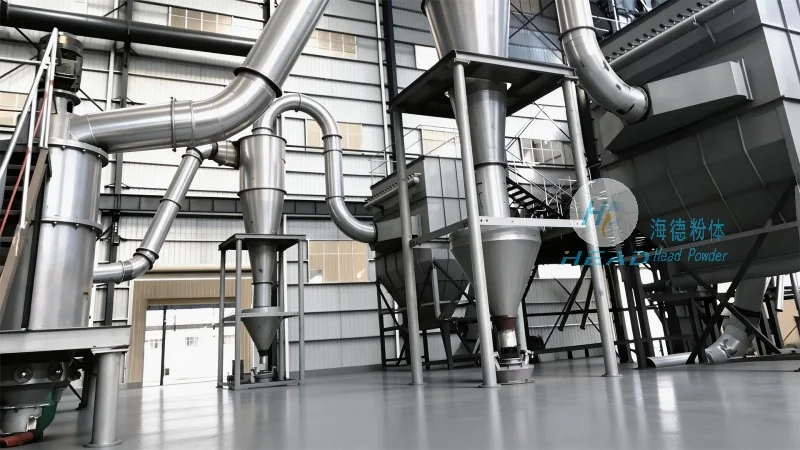
Benefits of Using Pneumatic Conveying Systems in Battery Production
Implementing pneumatic conveying systems for battery materials offers numerous benefits for manufacturers. One of the primary advantages is the significant reduction in dust generation and associated health and safety risks. Unlike traditional mechanical conveying methods, which can produce airborne particles, pneumatic systems keep materials contained within the pipeline, minimizing exposure to workers and environmental contamination. This not only improves workplace safety but also simplifies compliance with environmental regulations. Another key benefit is the improved material handling efficiency. Pneumatic systems can transport materials over longer distances and at higher speeds compared to mechanical alternatives, reducing overall production time and increasing throughput. This efficiency is crucial for meeting the growing demand for batteries in electric vehicles and renewable energy storage systems. Furthermore, the systems contribute to cost savings by minimizing material loss and reducing the need for manual handling, which can be labor-intensive and prone to errors. The consistent and reliable material flow provided by these systems also enhances production line stability, allowing manufacturers to maintain consistent output quality and meet customer delivery schedules.




