

[WOKING PRINCIPLE AND CHARACTERISTICS OF STONE AND COAL PNEUMATIC CONVEYING SYSTEMS]
Stone and coal pneumatic conveying systems represent a critical technology in material handling, particularly for transporting bulk materials like crushed stone and coal over varying distances with efficiency and reliability. This article delves into the working principle and key characteristics of such systems, providing a comprehensive overview for industry professionals and potential clients.
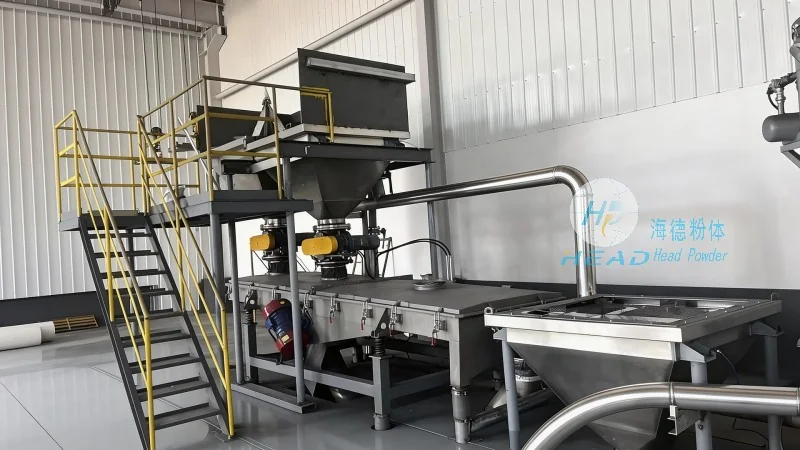
Working Principle of Pneumatic Conveying
The core mechanism of stone and coal pneumatic conveying involves the use of air as the transport medium to move solid particles through a pipeline network. The process typically operates on the principle of creating a pressure differential between the inlet and outlet of the conveying line. In a typical system, a blower or compressor generates the necessary air pressure, which then propels the material particles along the pipeline. The material is introduced into the system at the inlet, often through a hopper or feeder, where it is mixed with the air stream. As the air flows through the pipeline, it carries the particles forward, ensuring consistent and controlled movement. The system may include various components such as silos, feeders, and control valves to regulate the flow rate and pressure, optimizing the conveying process.
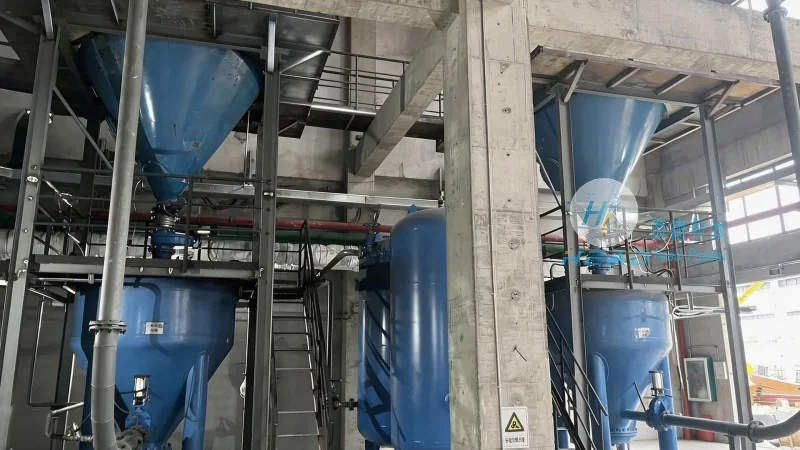
Key Characteristics of Stone and Coal Pneumatic Conveying
Several distinct characteristics define the performance and applicability of stone and coal pneumatic conveying systems. Firstly, the system offers high efficiency in material transport, capable of moving large volumes of bulk materials over long distances with minimal energy consumption compared to traditional methods like belt conveyors or trucks. This efficiency is particularly advantageous in industrial settings where continuous material flow is essential for production processes. Secondly, the system provides flexibility in terms of layout and installation. Unlike fixed conveyor systems, pneumatic conveying can be easily reconfigured or expanded to accommodate changes in production needs or facility expansions. This adaptability makes it suitable for diverse applications, from small-scale operations to large industrial plants. Thirdly, the system ensures minimal material degradation during transport. The enclosed pipeline design prevents exposure to external elements, reducing the risk of dust generation, contamination, or particle breakage. This is crucial for maintaining the quality of the material, especially for coal and stone products used in construction or energy production. Additionally, the system offers improved safety and environmental control. By containing the material within the pipeline, it reduces dust emissions and minimizes the risk of material spillage or exposure to workers. This aligns with modern industrial standards for environmental responsibility and workplace safety.
Applications and Advantages in Industrial Settings
Stone and coal pneumatic conveying systems find widespread application across various industries, including mining, construction, and energy. In mining operations, these systems are used to transport crushed stone and coal from extraction sites to processing facilities or storage areas, enabling efficient material handling and reducing transportation costs. In the construction industry, the technology is employed to move aggregates, sand, and other raw materials to construction sites, supporting the continuous supply of materials for building projects. The energy sector also benefits from pneumatic conveying, as it facilitates the transport of coal from storage facilities to power plants or other processing units. The advantages of these systems extend beyond efficiency and flexibility; they also contribute to operational cost savings and improved productivity. By eliminating the need for multiple handling steps or external transportation methods, the system streamlines the material flow process, reducing downtime and increasing overall productivity. Furthermore, the enclosed design of the conveying system enhances safety by preventing dust explosions or other hazards associated with open material handling. This makes it a preferred choice for industries where safety and environmental compliance are paramount.
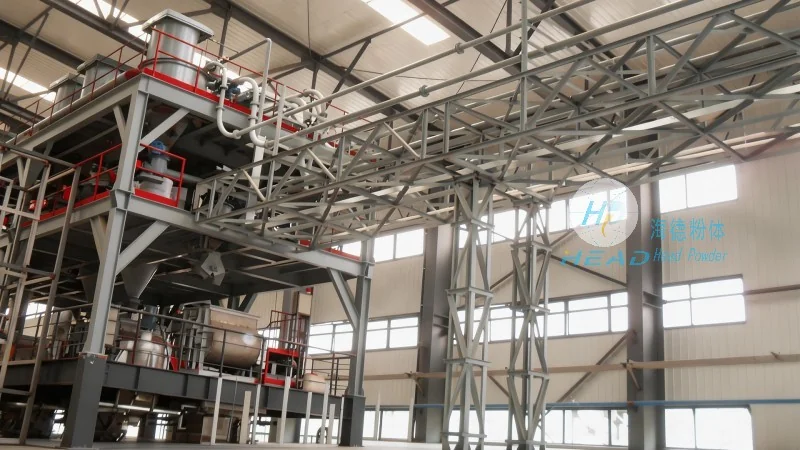
Conclusion and Company Overview
Stone and coal pneumatic conveying systems represent a sophisticated and efficient solution for bulk material transport, combining advanced engineering with practical application. The working principle, which relies on air pressure to move material through pipelines, ensures consistent and reliable performance. The key characteristics, including high efficiency, flexibility, and safety, make these systems suitable for a wide range of industrial applications. As a leading provider in the field, Shandong HeadPowder Engineering Co., Ltd. specializes in designing and manufacturing pneumatic conveying systems tailored to the specific needs of clients. With a focus on quality and innovation, the company has established itself as a trusted partner in the material handling industry, delivering solutions that enhance operational efficiency and support sustainable industrial practices. Based in Shandong, China, HeadPowder continues to advance the technology of pneumatic conveying, providing clients with reliable and effective systems for their material transport requirements.