

What is a PUR Powder Pneumatic Conveying System? What are its Design Principles?
PUR (Polyurethane Resin) powder pneumatic conveying systems are advanced industrial solutions designed to transport fine powders and granules efficiently and safely. These systems utilize compressed air or other gases to move material from one location to another, eliminating the need for traditional mechanical conveyors that often suffer from issues like material buildup, blockages, and contamination. The design of such systems is crucial for ensuring optimal performance, reliability, and minimal maintenance, making them a preferred choice in various manufacturing and processing industries.
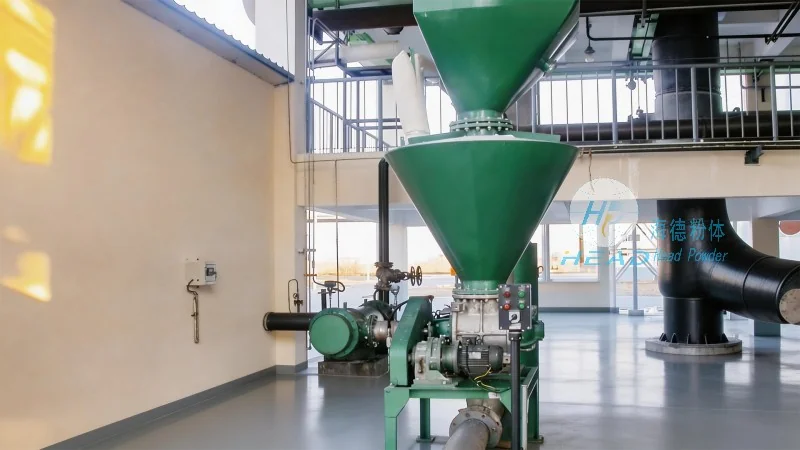
Company Overview: Shandong HeadPowder Engineering Co., Ltd.
HeadPowder, the professional manufacturer behind these advanced pneumatic conveying systems, is a leading company based in Shandong, China. With years of experience in the field of powder handling technology, HeadPowder specializes in designing, manufacturing, and supplying high-quality pneumatic conveying equipment tailored to meet the specific needs of clients across different industries. The company's commitment to innovation and quality has established it as a trusted partner for businesses seeking reliable and efficient powder transport solutions.
Core Components and Design Principles of the System
The PUR powder pneumatic conveying system typically consists of several key components, each playing a vital role in the overall operation. These include the material hopper, which stores the powder; the air compressor or blower, which provides the necessary pressure to move the material; the conveying line, which transports the powder; and the control system, which regulates the flow and pressure. The design principles focus on maximizing efficiency, minimizing energy consumption, and ensuring the integrity of the material being conveyed. For instance, the system is engineered to handle fine powders without causing degradation or agglomeration, which is critical for maintaining product quality.
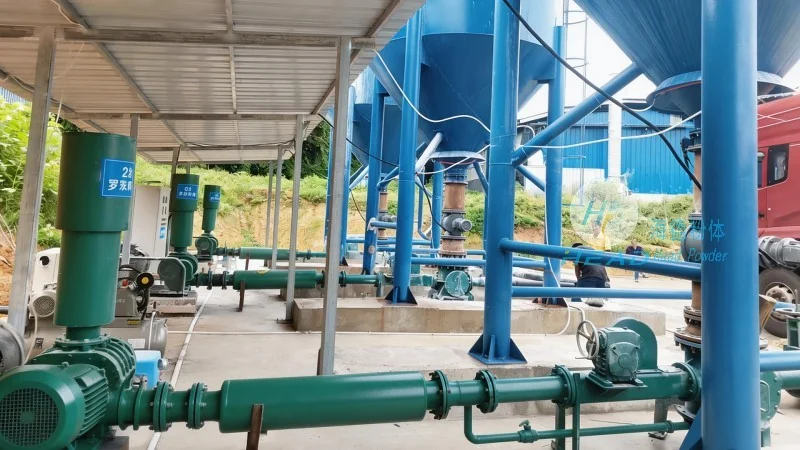
How the System Operates and Its Advantages
The operation of a PUR powder pneumatic conveying system involves the following steps: first, the powder is fed into the material hopper from a storage silo or container. Then, the air compressor generates compressed air, which is introduced into the conveying line. The compressed air creates a flow that lifts and transports the powder through the line to the destination point, such as a processing unit or storage tank. The system's advantages include high transport capacity, the ability to handle fine and abrasive powders, reduced risk of contamination compared to mechanical systems, and lower maintenance costs due to fewer moving parts. Additionally, the system can be easily integrated into existing production lines, making it a flexible solution for various applications.
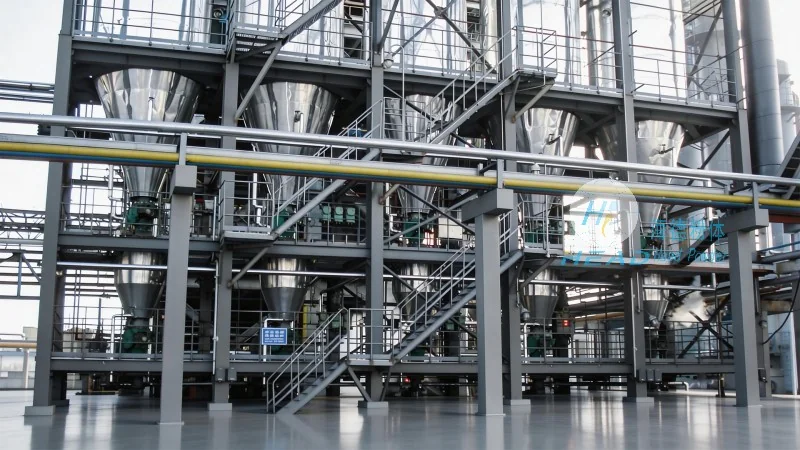
Applications and Industries Where This Technology is Utilized
PUR powder pneumatic conveying systems are widely used in a range of industries that handle fine powders and granules. These include the chemical industry, where they are used to transport chemicals, pigments, and additives; the food and beverage industry, for handling ingredients like flour, sugar, and spices; the pharmaceutical industry, where they are employed to convey active pharmaceutical ingredients (APIs) and excipients; and the mining and minerals industry, for transporting ores and other raw materials. The versatility of the system makes it suitable for both small-scale and large-scale operations, from research and development facilities to full-scale manufacturing plants.
Key Features and Technical Specifications
Key features of the PUR powder pneumatic conveying system include its ability to handle a wide range of powder types, from fine powders with particle sizes as small as 1 micron to larger granules. The system is also designed to be compatible with various materials, including those that are hygroscopic or prone to caking. Technical specifications may vary depending on the specific application, but common parameters include the maximum conveying distance, the maximum material flow rate, and the operating pressure range. For example, some systems can convey materials over distances of up to 100 meters with a flow rate of up to 10 tons per hour, while others are designed for shorter distances and lower flow rates. The system's design also incorporates safety features, such as pressure relief valves and emergency shut-off mechanisms, to ensure safe operation.