Continuous material handling equipment is a critical component in modern industrial operations, facilitating the efficient movement of goods from one location to another within a production or logistics system. These systems are designed to handle materials in a continuous flow, reducing manual labor and enhancing overall operational efficiency. Understanding the design principles and components of such equipment is essential for optimizing workflow and ensuring smooth operations across various industries.
Key Components of Continuous Material Handling Systems
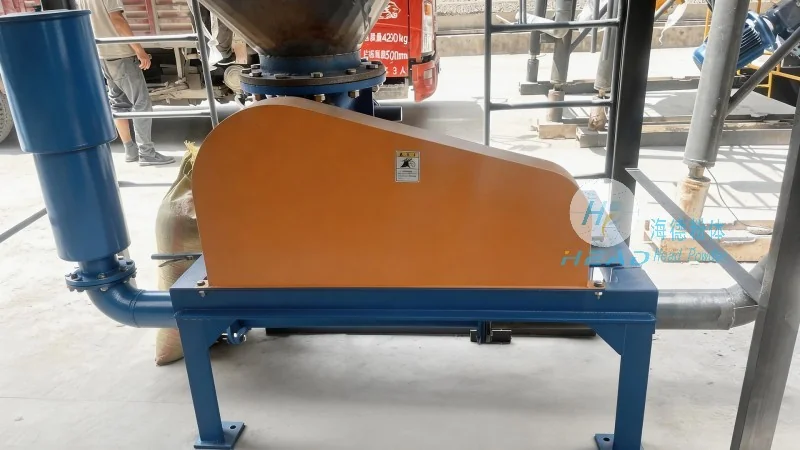
The foundation of continuous material handling equipment lies in its key components, which work together to enable seamless material movement. Conveyors are the primary devices used for transporting materials over a fixed path, with various types available to suit different material characteristics and operational needs. For instance, belt conveyors are commonly used for lightweight, non-abrasive items, while chain conveyors with rollers are ideal for heavier or bulkier materials. Additionally, control systems and sensors play a vital role in managing the flow of materials, ensuring that the equipment operates efficiently and safely. These systems may include programmable logic controllers (PLCs) and sensors that detect the presence or absence of materials, adjusting conveyor speed or stopping the system as needed to prevent damage or accidents.
Design Principles for Efficient Material Handling
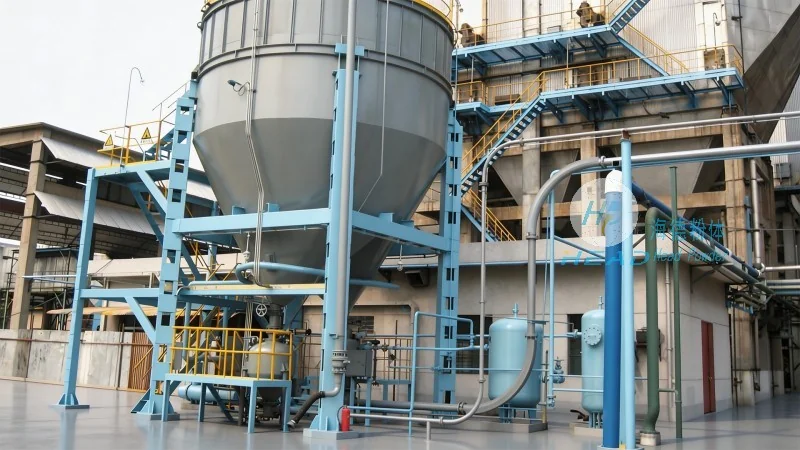
The design of continuous material handling equipment is guided by several fundamental principles aimed at maximizing efficiency, reliability, and safety. One key principle is the minimization of energy consumption and material handling time. Engineers focus on optimizing conveyor speed, inclination angle, and the type of belt or chain used, tailored to the specific properties of the materials being transported. For example, a smooth-belt conveyor is suitable for transporting lightweight items, whereas a chain conveyor with rollers may be more appropriate for heavier loads. Another critical principle is the integration of safety features, such as emergency stop buttons and overload protection mechanisms, to prevent accidents and ensure the well-being of operators.
Industrial Applications and Customization
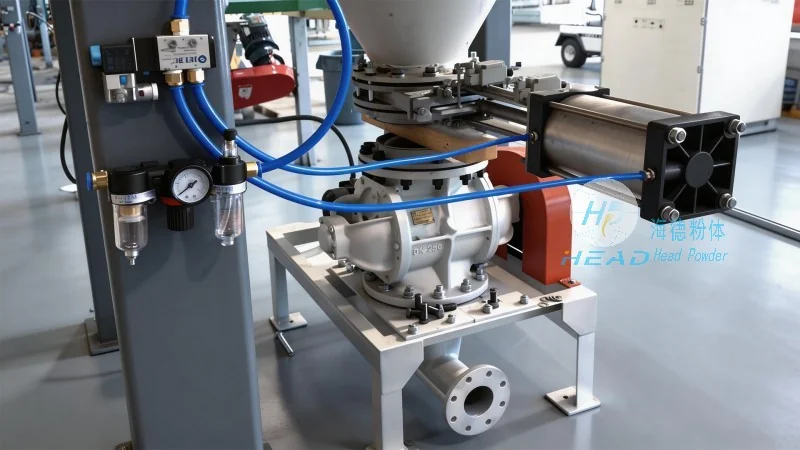
Continuous material handling equipment is widely utilized across diverse industries, including manufacturing, warehousing, and logistics. In manufacturing plants, these systems are essential for moving raw materials to production lines and finished products to storage or shipping areas, streamlining the production process. In warehouses, conveyors are used for sorting, packing, and distributing goods, enhancing the order fulfillment efficiency. The adaptability of these systems allows them to be integrated into existing workflows, improving overall operational efficiency. Companies like Shandong HeadPowder Engineering Co., Ltd. specialize in designing and manufacturing customized material handling solutions that cater to the unique requirements of each client, ensuring that the equipment meets the specific needs of their industrial applications.
Maintenance and Reliability
Reliability is a critical aspect of continuous material handling equipment, as it directly impacts operational productivity. Manufacturers incorporate robust materials and engineering practices to ensure the systems can withstand heavy usage and harsh environmental conditions. Regular maintenance is also essential to keep the equipment running smoothly. This includes routine checks on conveyor belts, chain tension, and sensor functionality, as well as cleaning and lubrication of moving parts. By adhering to proper maintenance schedules, companies can extend the lifespan of their material handling equipment and minimize downtime, which is crucial for maintaining productivity in industrial settings.
Conclusion
Continuous material handling equipment is indispensable in modern industrial operations, enabling the efficient movement of materials and enhancing overall productivity. The design principles behind these systems emphasize efficiency, reliability, and adaptability, ensuring they can meet the diverse needs of various industries. Companies like Shandong HeadPowder Engineering Co., Ltd. play a vital role in providing customized solutions that optimize material handling processes, contributing to the success of their clients' operations. By understanding the components and design principles of these systems, businesses can make informed decisions about implementing effective material handling strategies that improve workflow and reduce operational costs, ultimately driving business growth and competitiveness.




