For industrial applications involving the handling of potassium hydroxide (KOH) powder, an efficient and reliable conveying system is essential. A potassium hydroxide powder conveying line, often referred to as a powder handling system, is a specialized setup designed to transport KOH powder from storage or processing areas to various points of use within a facility. This system is critical in ensuring the safe and efficient operation of processes that rely on KOH, such as chemical manufacturing, pharmaceutical production, and industrial cleaning. The design of such a line must consider several factors, including material properties, operational requirements, and safety regulations, to achieve optimal performance. Companies like Shandong HeadPowder Engineering Co., Ltd. specialize in developing tailored solutions for these applications, ensuring that the conveying line meets the specific needs of the client.
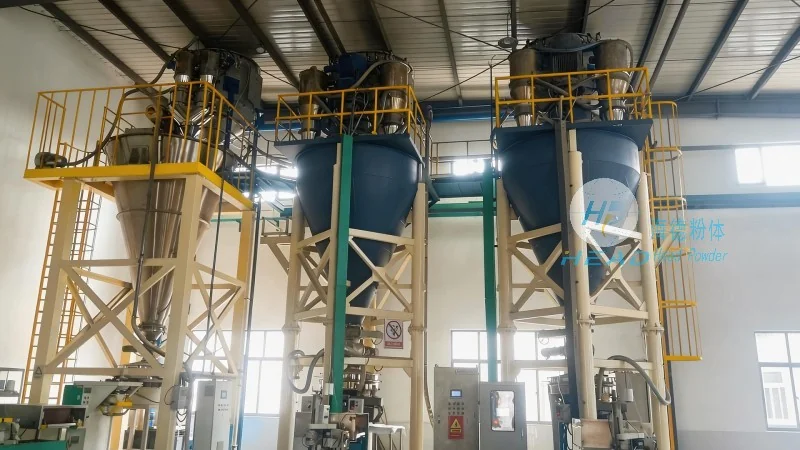
Key Design Principles for Potassium Hydroxide Powder Conveying Systems
The design of a potassium hydroxide powder conveying line is governed by several fundamental principles aimed at maximizing efficiency, safety, and durability. First, the system must accommodate the physical and chemical characteristics of KOH powder. Potassium hydroxide is a strong base with hygroscopic properties, meaning it can absorb moisture from the air, which can affect its flowability and handling. Therefore, the conveying equipment must be designed to minimize exposure to ambient air and maintain a controlled environment. This often involves using sealed or enclosed systems with proper ventilation and moisture control mechanisms.
Second, the design must prioritize safety due to the hazardous nature of KOH. The system should incorporate features like explosion-proof components, proper grounding, and emergency shutdown capabilities to prevent accidents. Additionally, the equipment must be constructed from materials that are resistant to corrosion and chemical attack, as KOH can be aggressive to certain metals. Common materials used in the construction of these systems include stainless steel, PTFE, and other corrosion-resistant alloys.
Third, the conveying line must be designed for efficient material transport. This includes selecting appropriate equipment such as screw conveyors, pneumatic conveyors, or bucket elevators, depending on the specific application and material flow requirements. The system should also be capable of handling varying flow rates and particle sizes, ensuring consistent and reliable operation. Proper maintenance and cleaning protocols are also integral to the design, as KOH can adhere to surfaces and cause blockages if not managed correctly.
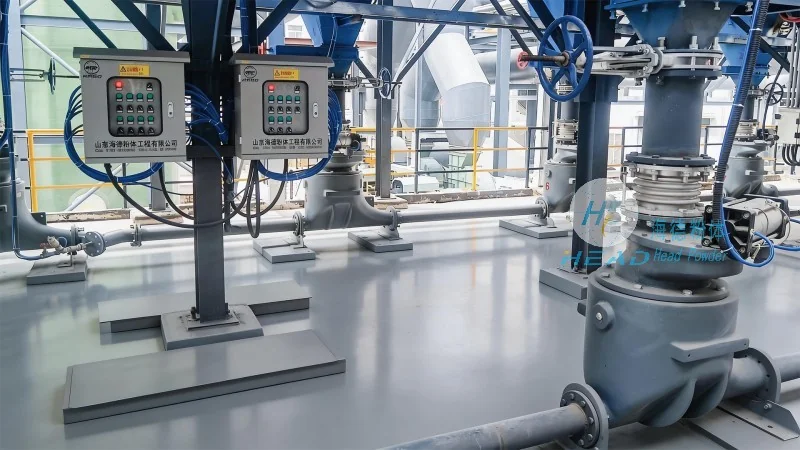
Components and Features of a Typical Potassium Hydroxide Powder Conveying Line
A standard potassium hydroxide powder conveying line typically consists of several key components working in tandem to ensure smooth operation. The primary components include a hopper for material storage, a feeder to control the flow rate, a conveyor (such as a screw or pneumatic conveyor) to transport the powder, and a discharge point for delivery to the next stage of the process. The hopper is usually equipped with a lid and a discharge valve to prevent dust and moisture ingress. The feeder, often a rotary valve or a vibratory feeder, regulates the amount of powder entering the conveyor, ensuring a consistent flow.
The conveyor itself is a critical component, chosen based on the material's properties and the distance to be covered. Screw conveyors are commonly used for horizontal or slight incline transport due to their simplicity and reliability. Pneumatic conveyors, on the other hand, are suitable for longer distances or when the material needs to be transported through vertical lifts. These systems use air pressure to move the powder, making them ideal for handling fine powders like KOH. The discharge point may include a filter or a dust collection system to prevent dust emissions and maintain a clean working environment.
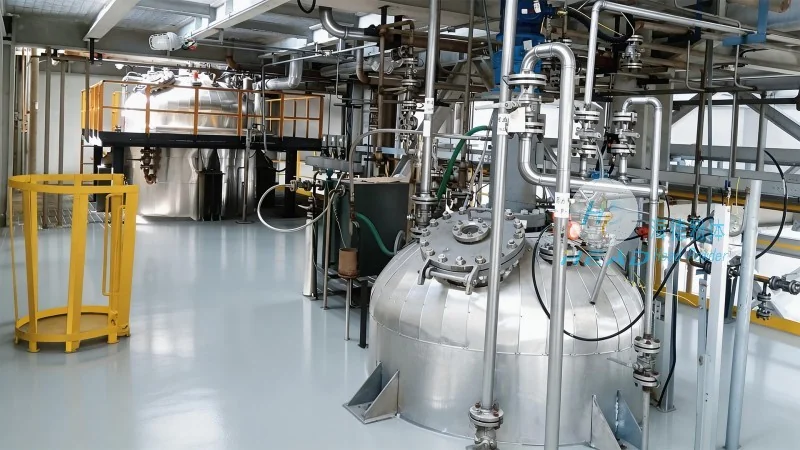
Additional features may include sensors and control systems to monitor the flow rate, detect blockages, and adjust the operation of the feeder or conveyor as needed. These controls help maintain the efficiency of the system and prevent downtime. Furthermore, the entire system is often enclosed to minimize dust dispersion and protect operators from exposure to the powder. The design may also incorporate safety interlocks to stop the system in case of an emergency or malfunction.
Applications and Benefits of Potassium Hydroxide Powder Conveying Lines
Potassium hydroxide powder conveying lines are widely used in various industries where KOH is a key raw material. In the chemical industry, these systems are essential for transporting KOH to reactors and processing units, ensuring a steady supply for production. In the pharmaceutical sector, the systems help maintain the purity and quality of the powder, which is critical for manufacturing drugs and other medicinal products. Additionally, in industrial cleaning and manufacturing, KOH is used as a cleaning agent, and the conveying line ensures it is delivered to cleaning equipment efficiently and safely.
The benefits of using a well-designed potassium hydroxide powder conveying line extend beyond just efficient material transport. These systems improve operational safety by reducing manual handling of the powder, which can be hazardous. They also enhance productivity by minimizing downtime due to blockages or maintenance issues. Furthermore, the enclosed design helps maintain a clean and dust-free environment, which is crucial for meeting regulatory standards and maintaining product quality. The reliability of the system also contributes to cost savings by reducing material waste and improving overall process efficiency.




