For agricultural operations dealing with potato handling and processing, understanding the technology behind efficient material transport is crucial. A potato pneumatic conveying system represents a sophisticated solution designed to move potatoes and other bulk materials through a system of pipes using air pressure or suction. This method offers numerous advantages over traditional mechanical conveyors, including reduced labor costs, improved hygiene, and the ability to transport materials over longer distances without the need for multiple transfer points.
Understanding the Core Function of a Potato Pneumatic Conveying System
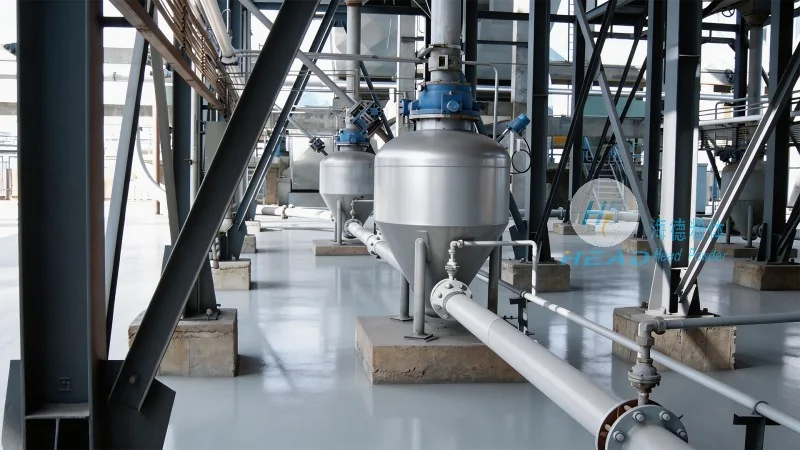
The fundamental purpose of a potato pneumatic conveying system is to transport potatoes from one location to another within a processing facility or farm. This is achieved by creating a flow of air through a network of pipes, which can either carry the potatoes in a dense phase (where particles are closely packed) or a dilute phase (where particles are more dispersed). The choice between these phases depends on the specific requirements of the application, such as the distance to be covered and the type of potatoes being handled.
Key Components of a Typical Potato Pneumatic Conveying System
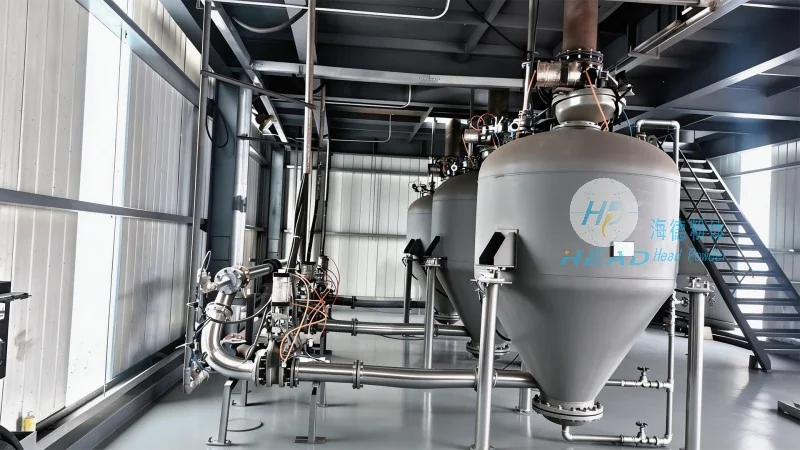
At the heart of any potato pneumatic conveying system are several critical components that work in tandem to ensure efficient operation. These components include the hopper or loading chamber, where potatoes are initially stored and fed into the system; the air compressor or vacuum pump, which generates the necessary air pressure or suction to move the material; the conveying line, which consists of pipes that transport the potatoes; and the discharge unit, where the potatoes are deposited at the destination. Additionally, many systems incorporate filters and cyclones to separate air from the potatoes and prevent dust or debris from contaminating the product.
The Design Principles Behind Efficient Potato Pneumatic Conveying
The design of a potato pneumatic conveying system is guided by several key principles aimed at maximizing efficiency, minimizing energy consumption, and ensuring the integrity of the potatoes. One of the primary principles is the selection of the appropriate air velocity and pressure. Too low a velocity may cause the potatoes to settle in the pipes, leading to blockages, while too high a velocity can increase energy costs and potentially damage the potatoes. Engineers must carefully calculate the required air velocity based on the size, shape, and density of the potatoes, as well as the length and diameter of the conveying line.
Another critical design principle is the consideration of the system's capacity and flow rate. The system must be designed to handle the expected volume of potatoes, ensuring that the conveying line can maintain a consistent flow without causing bottlenecks or surges. This involves calculating the material's bulk density and the system's throughput, which is typically measured in tons per hour. Proper sizing of the air compressor or vacuum pump is essential to meet these flow rate requirements without overloading the equipment.
Advantages of Using a Potato Pneumatic Conveying System
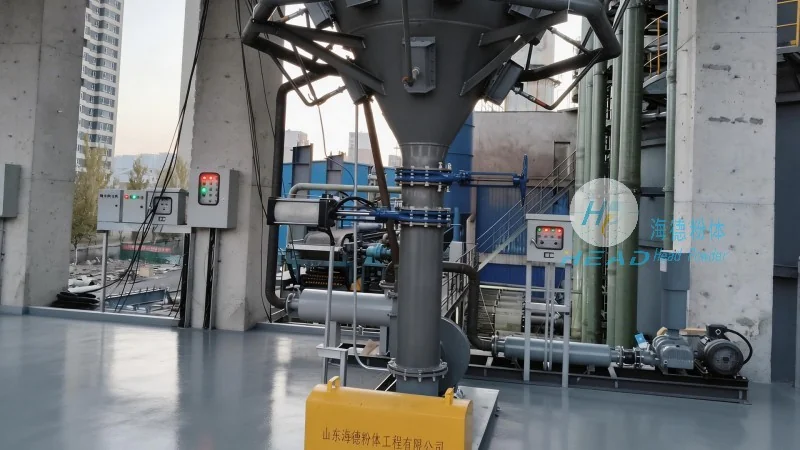
Implementing a potato pneumatic conveying system offers several advantages that make it a preferred choice for many agricultural and food processing operations. One of the most significant benefits is the reduction in labor costs, as the system automates the material handling process, eliminating the need for manual loading and unloading. Additionally, pneumatic conveyors are more hygienic than mechanical systems, as they do not require direct contact between the potatoes and the conveyor components, reducing the risk of contamination from bacteria or other pathogens.
Another advantage is the ability to transport potatoes over longer distances without the need for multiple transfer points. Unlike belt or screw conveyors, which require frequent stops and changes in direction, pneumatic systems can move potatoes continuously through a single line, reducing the risk of damage and improving overall efficiency. Furthermore, pneumatic conveyors are more flexible in terms of layout, as they can be installed in various configurations to accommodate the specific needs of a facility, such as moving potatoes from storage to processing lines or from processing to packaging areas.
Customization and Application-Specific Design
Given the diverse nature of potato varieties and processing requirements, potato pneumatic conveying systems are often customized to meet the specific needs of each operation. The design process typically involves a thorough analysis of the potato characteristics, such as size, moisture content, and shape, as well as the operational parameters of the facility, including available space and power supply. Engineers from companies like Shandong HeadPowder Engineering Co., Ltd., based in China, work closely with clients to develop tailored solutions that optimize performance and minimize operational costs.
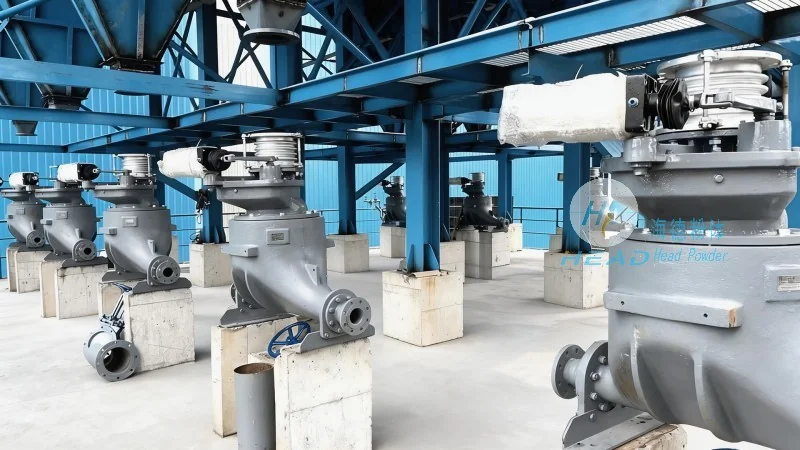
For example, a system designed for handling large, irregularly shaped potatoes may require a different air velocity and pipe diameter compared to one designed for smaller, more uniform potatoes. Similarly, a system intended for long-distance transport may incorporate larger air compressors and more robust piping to maintain consistent pressure and flow. The customization process also considers factors such as the need for cleaning and maintenance, ensuring that the system can be easily disassembled and cleaned to meet food safety regulations.
Conclusion: The Role of Advanced Engineering in Potato Handling
In conclusion, a potato pneumatic conveying system is a vital component of modern potato processing and handling operations. By leveraging the principles of air pressure and suction, these systems offer an efficient, hygienic, and flexible solution for transporting potatoes from one stage of the process to another. The design and implementation of such systems require careful consideration of material characteristics, operational requirements, and energy efficiency, all of which are addressed by experienced engineering firms like Shandong HeadPowder Engineering Co., Ltd., based in Shandong, China. As the agricultural industry continues to evolve, the use of advanced pneumatic conveying technology will remain essential for optimizing potato handling and ensuring the quality and safety of the final product.




