For industries dealing with bulk materials like sand, efficient and reliable material handling is crucial. A sand particle pneumatic conveying system offers a solution that combines technology and engineering to transport sand and other fine particles with air. This article explores what such a system is and the fundamental design principles that govern its operation.
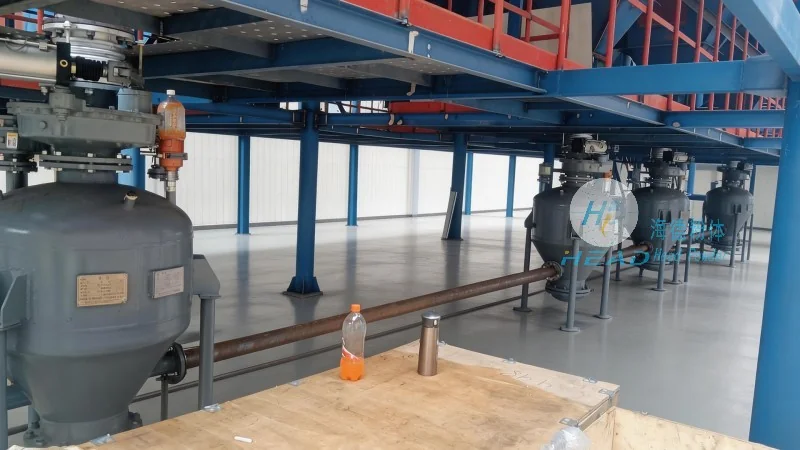
Understanding Sand Particle Pneumatic Conveying Systems
A sand particle pneumatic conveying system is a type of pneumatic conveying equipment designed specifically for transporting sand and similar granular materials. Unlike traditional mechanical conveyors, this system uses compressed air or gas to move particles through a pipeline. The process involves creating a flow of air that entrains the sand particles, carrying them from the source to the destination. This method is particularly effective for handling materials that are dusty, abrasive, or require a dust-free environment.
The Core Function of Pneumatic Conveying Systems
The primary function of a pneumatic conveying system is to transport bulk materials through a closed or open pipeline using air as the conveying medium. In the case of sand particles, the system must be capable of handling the specific properties of sand, such as its density, particle size distribution, and flow characteristics. The system's efficiency depends on how well it can maintain a consistent air flow and particle suspension, ensuring that the sand moves smoothly without clogging or loss of material.
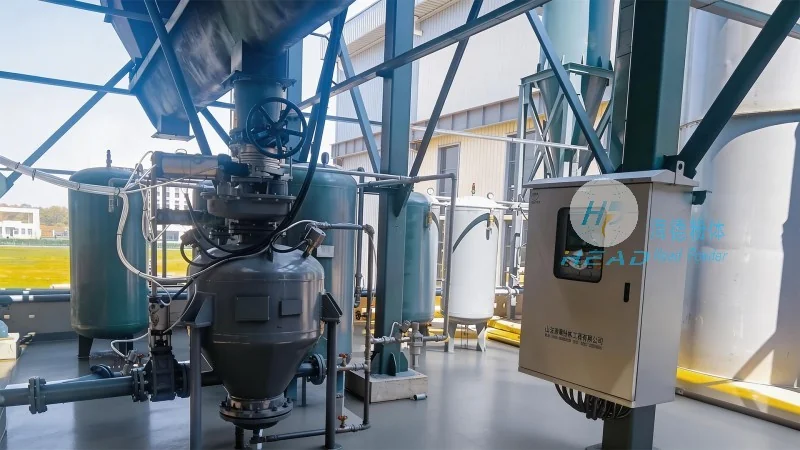
Design Principles of Sand Particle Pneumatic Conveying Systems
The design of a sand particle pneumatic conveying system is based on several key principles to ensure optimal performance. First, the system must generate sufficient air pressure and velocity to lift and transport the sand particles. This is typically achieved through a blower or compressor that provides the necessary airflow. Second, the system's pipeline design is critical; it must be sized appropriately to handle the volume of sand and air, with appropriate bends and fittings to minimize pressure drop and prevent particle deposition. Third, the system incorporates components like feeders, cyclones, and filters to control the flow and separate the sand from the air at the destination. These components are designed to handle the abrasive nature of sand and ensure long-term durability.
Key Components and Their Roles
Several key components make up a sand particle pneumatic conveying system. The blower or compressor is the heart of the system, providing the compressed air needed to move the sand. The feed hopper is used to introduce the sand into the system, often equipped with a feeder to control the flow rate. The pipeline network connects the source to the destination, with bends and straight sections designed to maintain air flow. At the receiving end, a cyclone separator is used to separate the sand from the air, collecting the sand in a collection bin. A filter may also be included to capture any fine particles that escape the cyclone, ensuring a clean discharge. These components work together to create a seamless and efficient conveying process.
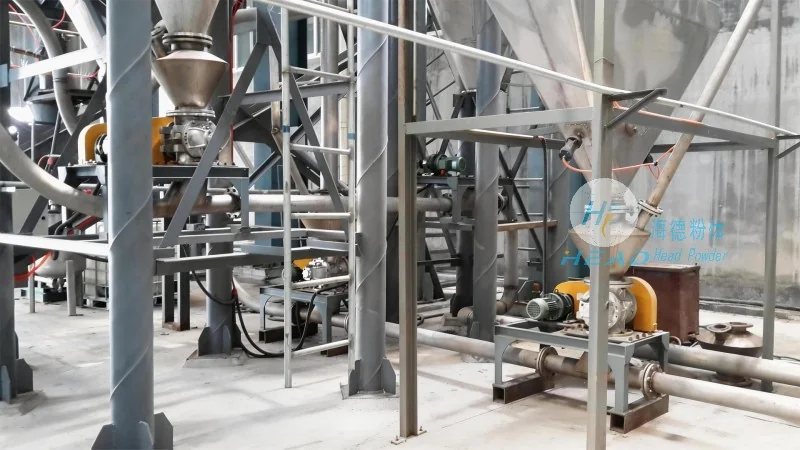
Application Scenarios and Benefits
Sand particle pneumatic conveying systems are widely used in various industries, including construction, mining, and manufacturing. They are particularly beneficial in applications where traditional conveyors are not suitable, such as transporting sand in a dust-free environment or over long distances. The benefits of using such a system include reduced labor costs, minimized material loss, and improved safety by eliminating the need for manual handling of bulk materials. Additionally, the system can be easily integrated into existing production lines, providing flexibility and adaptability to changing production needs.
About HeadPowder: Your Trusted Partner in Pneumatic Conveying Solutions
HeadPowder, or Shandong HeadPowder Engineering Co., Ltd., is a leading manufacturer of pneumatic conveying systems based in China. With a strong commitment to quality and innovation, HeadPowder specializes in designing and manufacturing custom solutions for various bulk material handling needs. The company's products are known for their durability, efficiency, and reliability, making them a preferred choice for industries that require high-performance material handling equipment. HeadPowder's team of engineers and technicians work closely with clients to understand their specific requirements and develop tailored solutions that meet their needs. The company's headquarters is located in Shandong, China, where it continues to advance its technology and expand its market presence.




